Portuguese
  Spanish


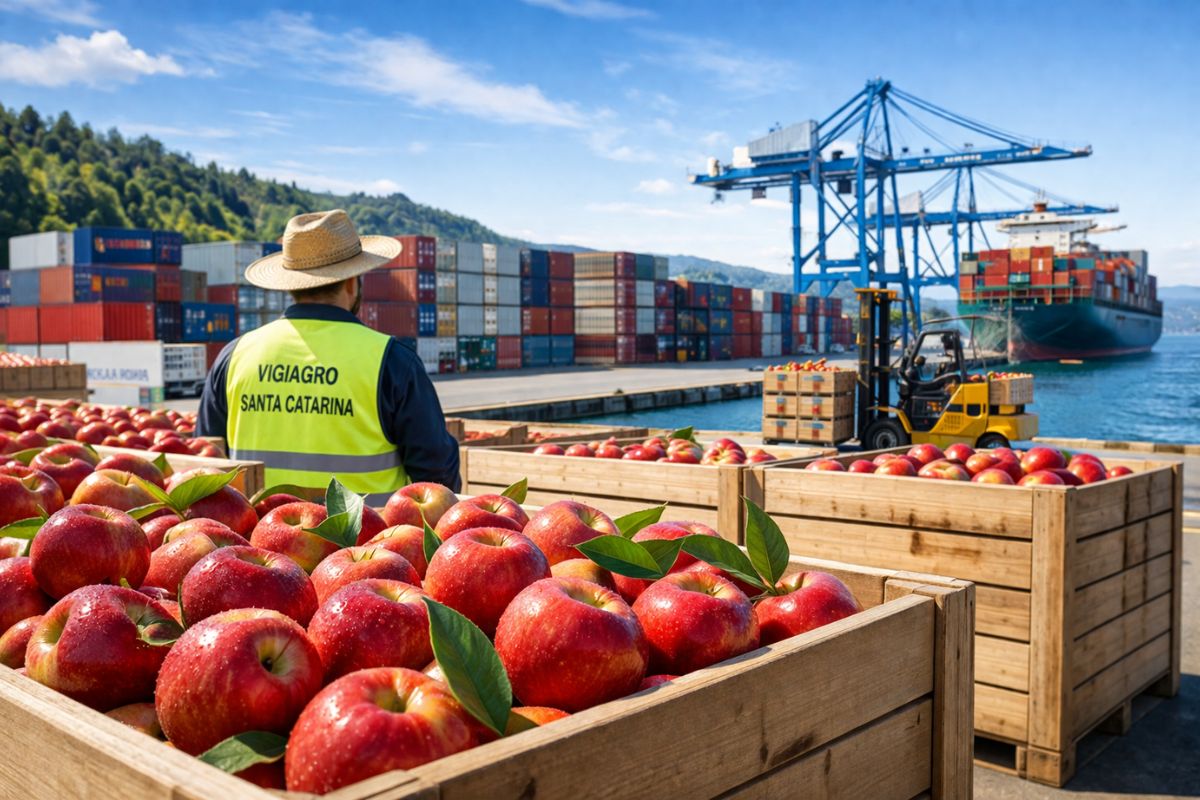

Apples can now be certified in São Joaquim and Fraiburgo and shipped directly to the importer via ports in Santa Catarina, with lower costs, less waiting time, and less loss in perishable cargo
Producers in Santa Catarina can now export apples with certification done in the state itself, in São Joaquim and Fraiburgo, and direct shipping through Santa Catarina ports, after 20 years of waiting for the change. The news was announced this Friday (17), based on information from Cidasc.
With the phytosanitary certification done by a federal agricultural tax auditor from the Ministry of Agriculture and Livestock, the cargo can go to the importer with lower costs and less terminal time, including the option of shipping from the Port of Imbituba, closer to the mountains.
What has changed in apple exports in Santa Catarina
The novelty is the decentralization of certification: apples produced in Santa Catarina no longer need to go to Vacaria, in Rio Grande do Sul, for evaluation.
-
Hurry: Wikipedia pays up to R$ 2,500 for those who write about Minas Gerais, contest entries end on July 10, 2026, and even beginners can “earn,” with prizes starting at R$ 200.

-
A city with 8,000 inhabitants will receive R$ 25 billion to host the largest single-stage pulp mill in the world, with a production of 3.5 million tons per year and a cost of R$ 45 million.
-
He left India for Oman in 1976, entered through the door of luxury finishes, and took Sobha to the premium real estate market in the Middle East.

-
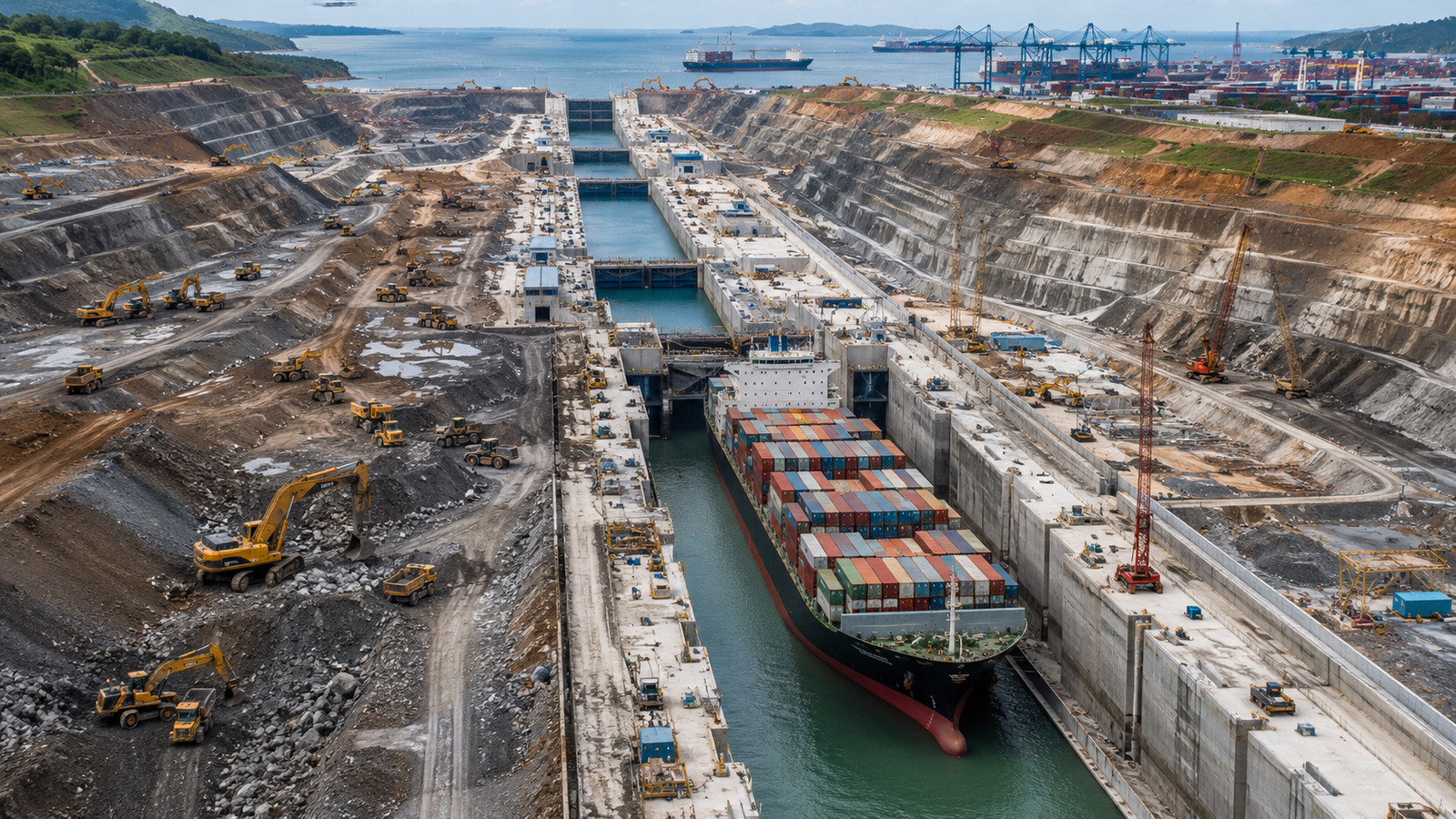
China wants to impress the world once again with a mega canal featuring giant locks, deep waters, and space for the largest ships, in a project aimed at shortening journeys, reducing queues, and rivaling the Panama Canal in global trade.


The previous alternative could also involve taking the cargo to the port of Itajaí and waiting for phytosanitary certification, which incurred extra costs for transportation and daily fees to keep the container stored.
With certification in São Joaquim and Fraiburgo, the producer gains the flexibility to choose more efficient routes. The cargo can be shipped from the Port of Imbituba, noted as the closest to the Santa Catarina mountains, which reduces travel and simplifies logistics.
Why this matters so much for perishable cargo
When the container is stuck at the port terminal, the product’s clock is ticking. Less waiting time means more quality arriving at the destination and less risk of loss along the way. The reduction of time in the terminal represents more days of shelf life for the apples, which becomes a competitive advantage in the international market.
Governor Jorginho Mello summarized the sentiment of the sector by stating that producers had been asking for this for 20 years and that it made no sense for Santa Catarina to be the largest apple producer in Brazil and send the cargo to the neighboring state, which delayed exports and created additional bureaucracy.
Certification is already advancing in the mountains and the sector sees a gain in competitiveness
In São Joaquim, one of the main cultivation hubs, about 530 tons of local fruit have already been certified this harvest, according to the data. For the State Secretary of Agriculture and Livestock, Admir Dalla Cort, the decentralization of apple certification reduces logistical costs, increases efficiency, and improves the quality of the product that reaches abroad, in addition to strengthening the production chain and boosting the Santa Catarina economy.
Larger harvest, better quality, and export as an important valve
The base indicates good prospects for the harvest. Santa Catarina accounts for more than half of the national apple production, over one million tons per year, according to Cidasc.
For this harvest, the estimate is to collect more than 265 thousand tons of gala apples and more than 234 thousand tons of the fuji variety, with quality superior to that recorded in the previous harvest.
ABPM estimates that domestic consumption of the fresh fruit is around 750 thousand tons per year. This helps explain why apple export is so strategic for the producer: it helps balance the market and opens up space for more volume, especially in strong harvest years.
The association also considers that sales abroad could be higher in 2026, were it not for the ongoing conflict in the Middle East, which may impact some businesses.
Production expected to grow 27.9% and could reach 615 thousand tons in SC
According to Epagri/Cepa, the 2025-2026 apple harvest, which has begun in Santa Catarina, is expected to have a production 27.9% higher than the previous one. The projection is for a harvest that could reach up to 615 thousand tons. The base notes that the last two harvests experienced declines due to climatic problems, such as excess rain and heat.
The regions that produce the most apples in Santa Catarina are Campos de Lages, Joaçaba, and Curitibanos. Campos de Lages leads with São Joaquim (58.58%), Bom Jardim da Serra (10.07%), Urubici (4.83%), and Urupema (4.30%). Joaçaba accounts for 11.2% and Curitibanos for 5.6%, with highlights for Fraiburgo (10.87%), Monte Carlo (3.78%), and Painel (2.90%).
If you were a producer, would this change seem more valuable to you for cutting transportation costs or for saving time and reducing apple loss on the way to the importer?