






 Portuguese
  Spanish


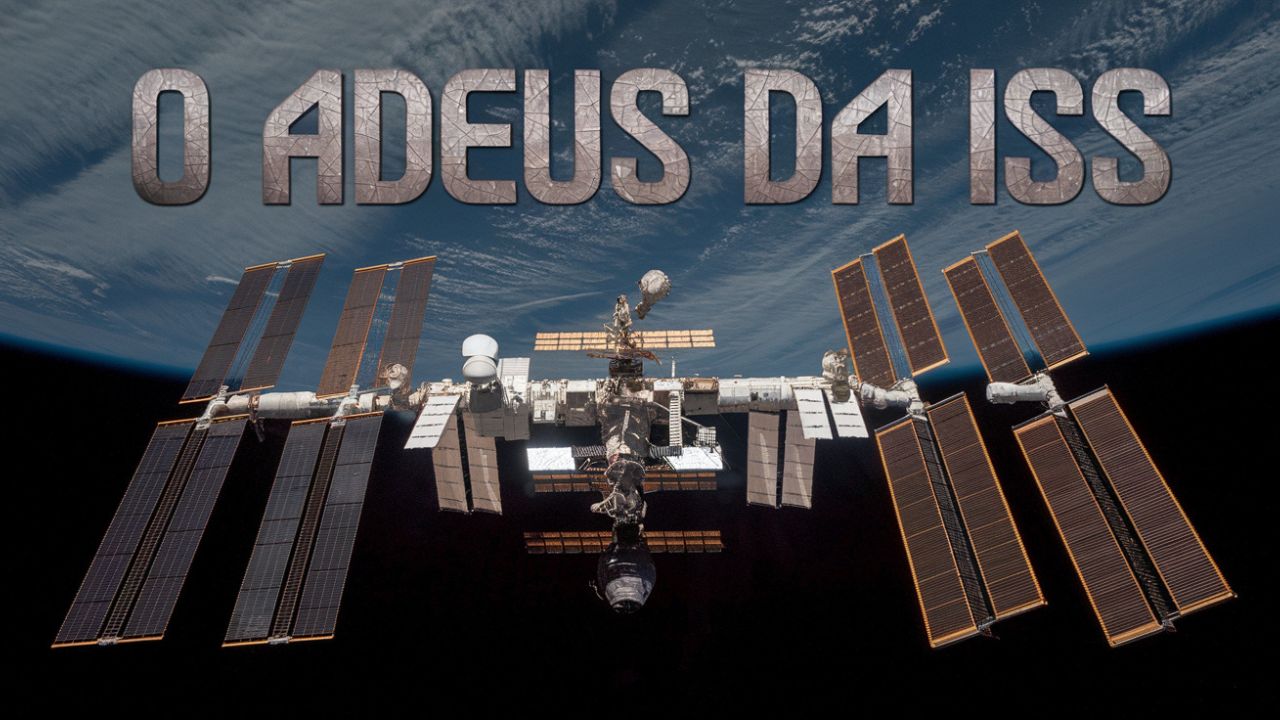


After Almost 30 Years In Orbit, The International Space Station Faces Final Demolition In 2030. Russia And NASA Joined Forces To End The Historical Project, While Financial And Technical Challenges Accelerate The Decline Of The Space Laboratory.
The International Space Station (ISS) is about to conclude its journey as one of the greatest symbols of international cooperation in space. However, contrary to what many anticipated, the end will be less turbulent than expected. Russia, which had threatened to abandon the project before 2030, has changed its stance. In a strategic move, Roscosmos confirmed it will continue with NASA until the ISS’s demolition, scheduled for the beginning of the next decade.
This change in position reflects not only the economic limitations faced by Russia but also a recognition of the indispensable role of the ISS as a historical and scientific landmark. But what led Russia to make this “reality check”?
A Decade Of Changes For The International Space Station
The ISS, built nearly 30 years ago, is an impressive feat of engineering and global cooperation. However, it is already showing signs of aging. With cracks in the Russian module Zarya, launched in 1998, maintenance challenges have significantly increased. According to Yuri Borisov, director of Roscosmos, cosmonauts have been spending more time repairing equipment than conducting scientific experiments.
-
Steam Machine Converts All Types of Plastic Waste into Durable Building Blocks, Processes Over 90 Tons Monthly, and Is Sold to Municipalities

-
John Deere’s Autonomous 9RX Tractor Uses 16 Cameras for 360-Degree Vision, Operates in Short Weather Windows While Monitored by Smartphone

-
Scientists Develop Needle-Free Insulin That Penetrates Skin, Reduces Glucose in Animals Within an Hour, Paving the Way for Diabetes Patches and Creams for Humans

-
After 40 Years of Research, Powdered Coconut Water to Be Produced in Brazilian Biorefinery, Aiming to Revolutionize Health for Children, Elderly, and Hospital Patients


International sanctions imposed after the invasion of Ukraine have further complicated Russia’s operations in space. With insufficient resources to develop a new station or fund major projects, Roscosmos found itself at a crossroads: continue with the ISS or risk complete isolation in the space arena.
Roscosmos And NASA
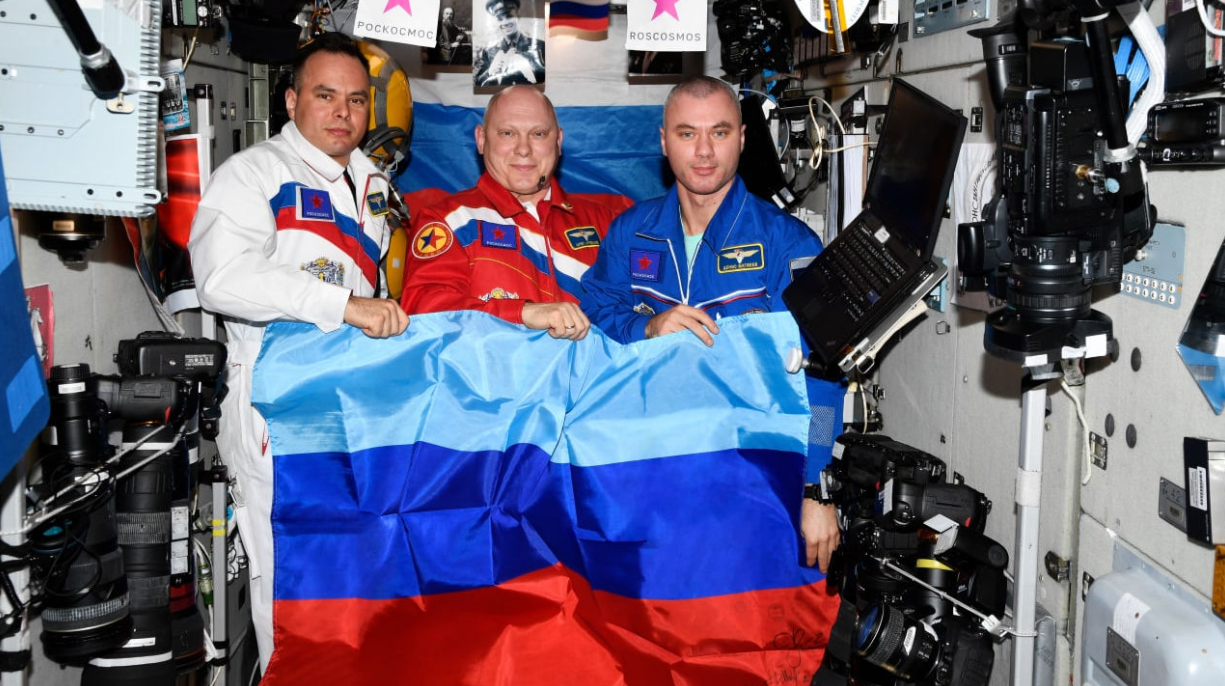
Despite the political tensions between Russia and the United States, the ISS remains a rare point of collaboration. NASA’s plan is to dismantle the station around 2030, using a spacecraft developed by SpaceX to deorbit it in a controlled manner.
Initially, Russia had announced it would leave the ISS in 2024 to focus on building its own space station, ROSS. However, financial difficulties and the lack of a robust private industry, like the American SpaceX, forced Russia to reconsider. Now, Roscosmos claims it will work in coordination with NASA to ensure a smooth transition.
An Orbital Laboratory In Decline
Over the years, maintaining the International Space Station operational has become a technical and financial challenge. Worn structures and outdated equipment limit the station’s efficiency, especially in the Russian segment. The ISS, once the pinnacle of space technology, now faces the inevitable end of its operational life.
At the same time, the United States is seeking a transition to private space stations in low Earth orbit, while Russia plans to build its own station. This new dynamic reflects a significant change in how nations view space exploration: less as competition and more as an opportunity for public-private collaboration.
New Space Partnerships
As the ISS approaches its farewell, other players are gaining prominence in the space arena. China, with its Tiangong space station, is emerging as a new power, while private companies, such as Blue Origin and Axiom Space, are working on commercial stations that could replace the ISS.
For Russia, the lack of a strong private industry is one of its biggest challenges. Without resources or a SpaceX to boost its projects, the country will rely even more on strategic partnerships, especially with China.
The end of the International Space Station marks the conclusion of an era, but also the beginning of new possibilities in space. The ISS proved that international cooperation can overcome political barriers and pave the way for extraordinary scientific advancements.
With the dismantling of the ISS, the space world enters a new phase, where governments and private companies share responsibilities and opportunities. Meanwhile, the legacy of the ISS will continue to inspire generations, reminding us that even in space, we are all passengers on the same ship: planet Earth.





Propongo utilizarlo como mensajero de nuestra civilización y lanzarlo en la inmensidad estelar, equipado con instrumentos , comunicación y generador de energía perdurable
Acredito ser notícia importante sobre os avanços e tecnologia.
Até parece que o governo estadunidense não injeta bilhões nos “projetos das empresas privadas”.
A Estação Espacial Internacional enfrenta o desmantelamento definitivo em 2030, mas o governo estadunidense não injeta bilhões nos projetos das empresas privadas. Em vez disso, a NASA desmantela a estação em cooperação com a Rússia. A Presidência Biden retirou o financiamento para a reutilização da Estação Espacial Internacional para que possa ser reutilizada no próximo século, para que núcleos de poder nas florestas mundiais possam constrauir sua própria Estação.