






 Portuguese
  Spanish
 3 min of reading
  0 comments


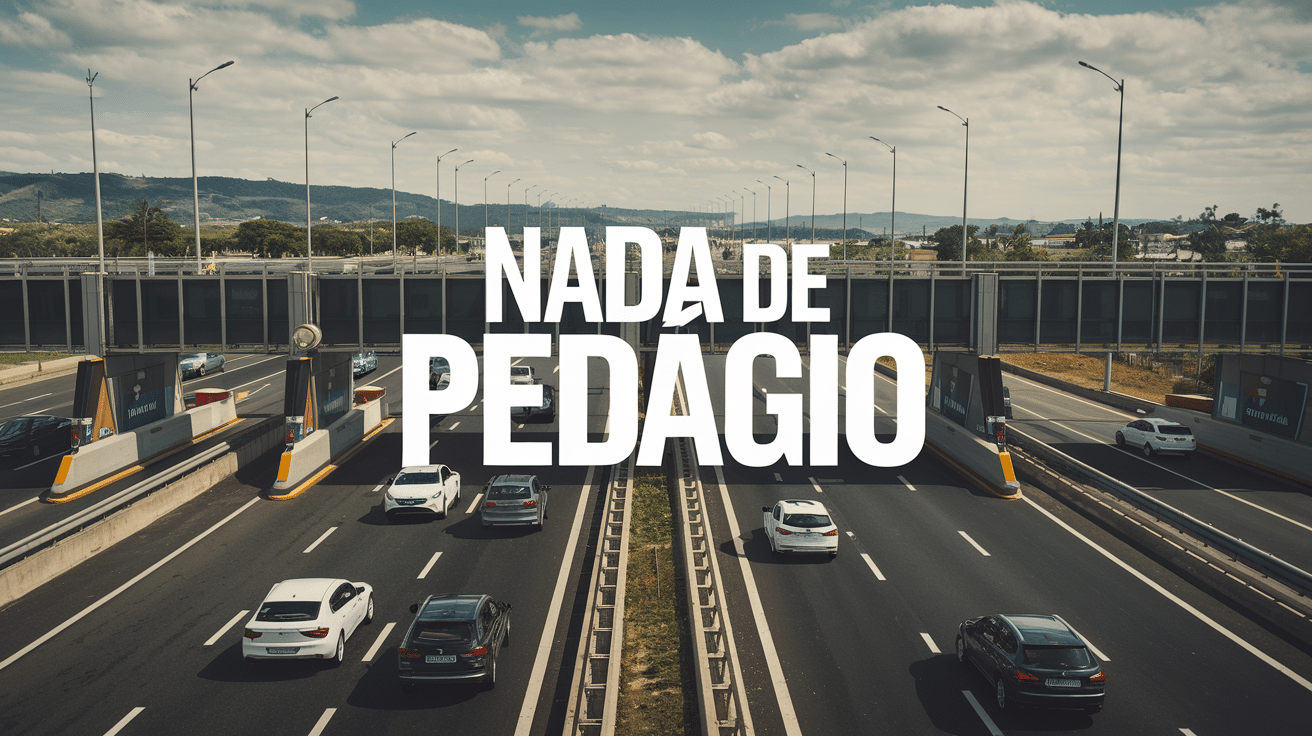
The State of São Paulo Plans to Install 58 New Toll Gantries by 2030. The Free Flow Model Promises Smoothness, but It May Affect Local Drivers Who Will Pay Fees Without Leaving Their Cities. A Deputy Wants to Halt the Expansion.
The state of São Paulo forecasts the installation of 58 toll gantries in the free flow system by 2030, replacing traditional toll plazas to improve traffic flow.
However, this measure has generated criticism, including opposition from state deputy Caio França (PSB), who questions the location and number of new fees.
How Does the Free Flow Toll Work?
The free flow system uses sensors and cameras to identify and automatically charge vehicles passing through the gantries, eliminating traditional toll plazas.
-
Brazilian Joins Homeownership Consortium, Faces Decade of Dual Payments Totaling $141,000, Surpassing Traditional Mortgage

-
Land Rover to Halt Production in July, Putting 371 Jobs at Risk, as Chinese Automaker Negotiates to Convert Factory to 100,000 Vehicles Annually by 2027

-
Mexican Pest Threatens U.S. Cattle Herds at Historic Lows, Potentially Boosting Brazilian Beef Exports as Burger Prices Soar

-
Brazilian Freight Bill Progresses in Congress with $5,000 Minimum Wage, 70% Advance Payment, and Fines Up to $1 Million, as Agriculture and Industry Warn of Rising Costs and Legal Uncertainty


Fees vary according to the distance traveled, and frequent drivers or those using electronic tags can receive discounts.
Currently, only three gantries of this type are in operation in the state: two operated by EcoNoroeste and one operated by Tamoios.
The Installation Timeline Until 2030
The expansion of the system plans to install new gantries over the next few years. See the breakdown among the concessionaires:
- EcoNoroeste: 8 gantries;
- Via SP Serra: 2 gantries on the northern section of the Rodoanel Mário Covas;
- Novo Litoral: 15 gantries;
- CCR Sorocabana: 23 gantries;
- Ecovias Raposo Castello: 7 gantries.
By 2025, the forecast is to install eight new gantries, one of which will be on the northern section of the Rodoanel Mário Covas, operated by Via SP Serra, with completion expected in September.
The others will be implemented by the Novo Litoral concessionaire, covering the regions of Baixada Santista, Alto Tietê, and Vale do Ribeira.
Criticism and Concerns About the Measure
Deputy Caio França expressed concern about the impact of the distribution of the new gantries.
According to him, placing tolls every 15 km may affect even those driving within their own city, as happens in Sorocaba.
He also pointed out that not all drivers use electronic tags, which may hinder the adoption of the new charging model.
“If you don’t have one yet, look to install yours,” the parliamentarian warned on his social media.
Another point raised by critics of the system is the lack of transparency in pricing and payment rules.
Drivers passing through several gantries on short trips may end up paying high fees, with no clarity on the criteria used.
The inability to pay in cash has also been a problem for those who do not have a bank account or easy access to electronic payment methods.
Benefits and Challenges of Free Flow
Proponents of the model argue that the elimination of toll plazas reduces congestion and improves traffic flow, in addition to ensuring fairer charging based on distance traveled.
Another point raised is safety on highways. Without the need to reduce speed or stop to pay the toll, the risk of accidents near the plazas is reduced.
On the other hand, drivers who do not have tags may find it difficult to make payments and be subject to fines if they do not pay within the established time frame.
The economic impact is also a point of concern.
Although the model promises fairer fees for those traveling short distances, there are still no detailed studies on how the final amounts will affect drivers, especially those who rely on highways daily for work.
The discussion about the implementation of free flow continues, and the impact on São Paulo drivers is still uncertain.
The question remains: will the new system truly benefit drivers or lead to more costs? Share your opinion below!





Be the first to react!