Portuguese
  Spanish


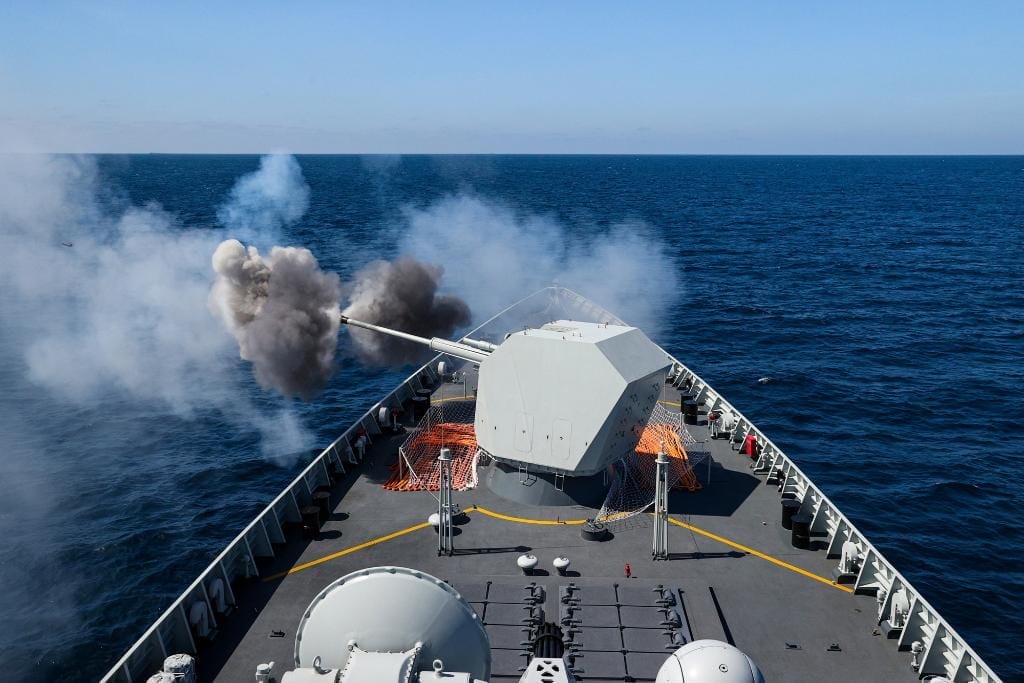


Trump Proposes Alliance With Japan And South Korea To Contain China’s Naval Advancement And Revive Shipbuilding Industry In The US
The naval supremacy of the United States is being challenged. With domestic production representing less than 1% of global commercial shipbuilding, the US sees China dominating the sector, responsible for almost half of the ships produced on the planet.
While the Chinese Navy already operates 426 warships, the United States has 295. The difference is also seen in the shipyards: in one year, the Chinese received 1,700 ship orders. During the same period, the Americans received only five.
Trump Presents Unique Plan With Asian Allies
In light of the imbalance, Donald Trump wants to take action. The proposal includes authorizing the purchase of military and logistical ships from strategic allies, such as Japan and South Korea. Among the models mentioned are vessels similar to the Arleigh Burke-class destroyers produced by South Korean shipyards.
-
North Korean Fiasco: Launch of the Largest Warship Ends in Sinking

-
While giant ships still burn heavy fuel and the maritime sector races against climate targets, Maersk and Vale are starting to bet on ethanol as a new route to reduce emissions at sea.

-
China begins construction of the world’s largest LNG ship, a 344-meter giant capable of supplying 4.7 million homes for a month, carrying 271,000 m³ of gas, and placing QatarEnergy in the largest naval order ever recorded in world history.
-
China is designing a container ship with a thorium nuclear reactor that will operate for 40 years without refueling, and the 25,000-container giant from Jiangnan Shipyard will cross oceans without emitting carbon in an industry that burns 300 million tons of fuel per year.


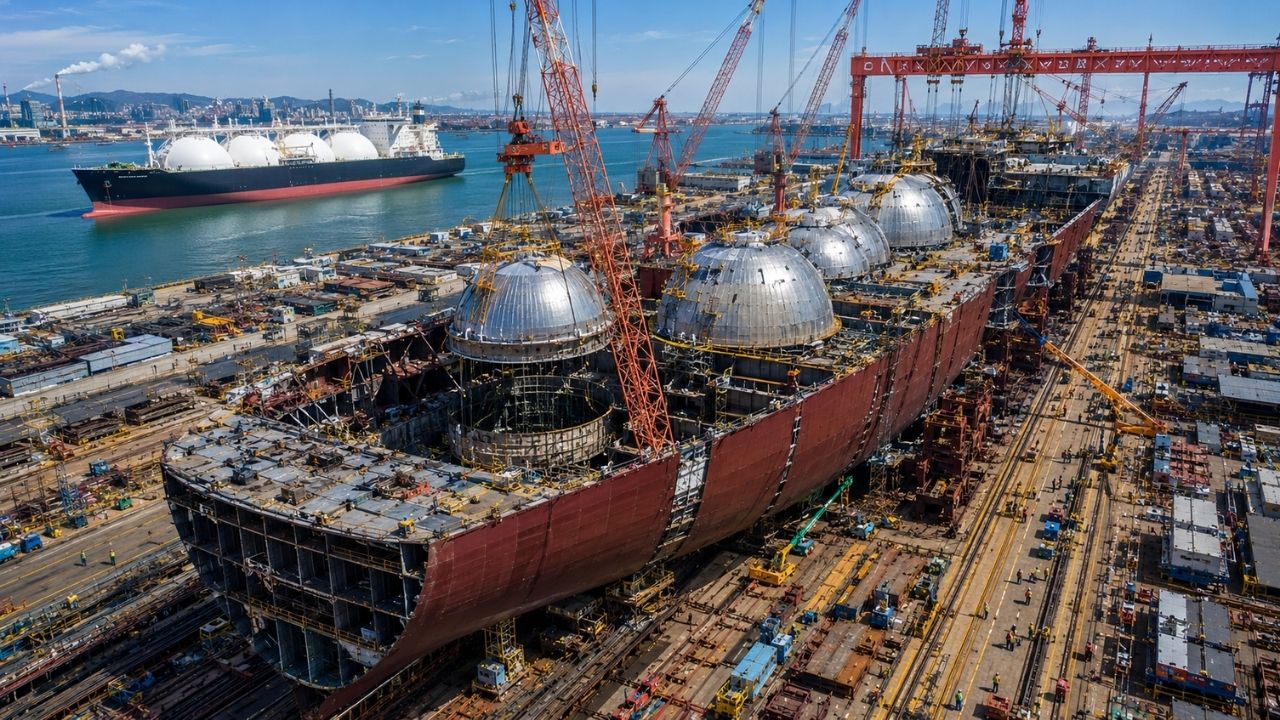

The South Korean Hanwha Ocean has already signed a contract and acquired a US Navy shipyard in Philadelphia. Hyundai Heavy Industries, another important name, has the capacity to build five warships per year. There is also the possibility of technology transfer.
China Grows In Number, US Maintains Advantage In Tonnage
Despite the difference in quantity, the US still leads in tonnage and sophistication. The American Navy operates 11 nuclear-powered aircraft carriers, with a total displacement exceeding 4 million tons. China, on the other hand, is expanding its global presence through quantity and strategic positioning.
MAP Plan And Measures To Revive The Naval Industry
In addition to the purchases, Trump wants to launch a national maritime action plan, the MAP. The proposal includes:
- Use of the Defense Production Act to support shipyards;
- Tax and regulatory incentives;
- Scholarships for training engineers and sailors;
- Encouragement of foreign investment in American territory.
The plan also includes reforms to procurement rules, prioritizing modular projects.
Political Resistance And Strategic Debate
The proposal faces obstacles in Congress. Protectionist lawmakers fear external dependency. Still, experts see the measure as a possible response to China’s naval advancement.
With information from Military Society.