






 Portuguese
  Spanish
  4 min of reading
  3 comments


Did You Know That One of the Natural Phenomena Most Feared by Scientists May Be About to Happen? Located in Italy, the Campi Flegrei Supervolcano Is Showing Signs of Waking, Causing Concern in the Region.
This volcano, if it erupts, could cause serious damage not only in Europe but also globally. The magnitude of a possible eruption and its consequences for the climate and life on Earth are prompting scientists to closely monitor the situation.
What Is a Supervolcano?
According to geophysicist and YouTuber Sergio Sacani, volcanoes are classified based on the volume of magma present in their magma chambers. “A supervolcano, like Campi Flegrei, is measured by the amount of material ejected during an eruption. When this amount exceeds 1,000 km³ of volcanic deposits in a single explosive event, it is classified as a supervolcano,” he explains.
According to him, eruptions from these giants can significantly alter the Earth’s atmosphere, influencing global climate, as occurred with the Hunga Tonga volcano, whose eruption helped cool the planet but also contributed to the expansion of the ozone layer hole due to the release of large amounts of water vapor.
-
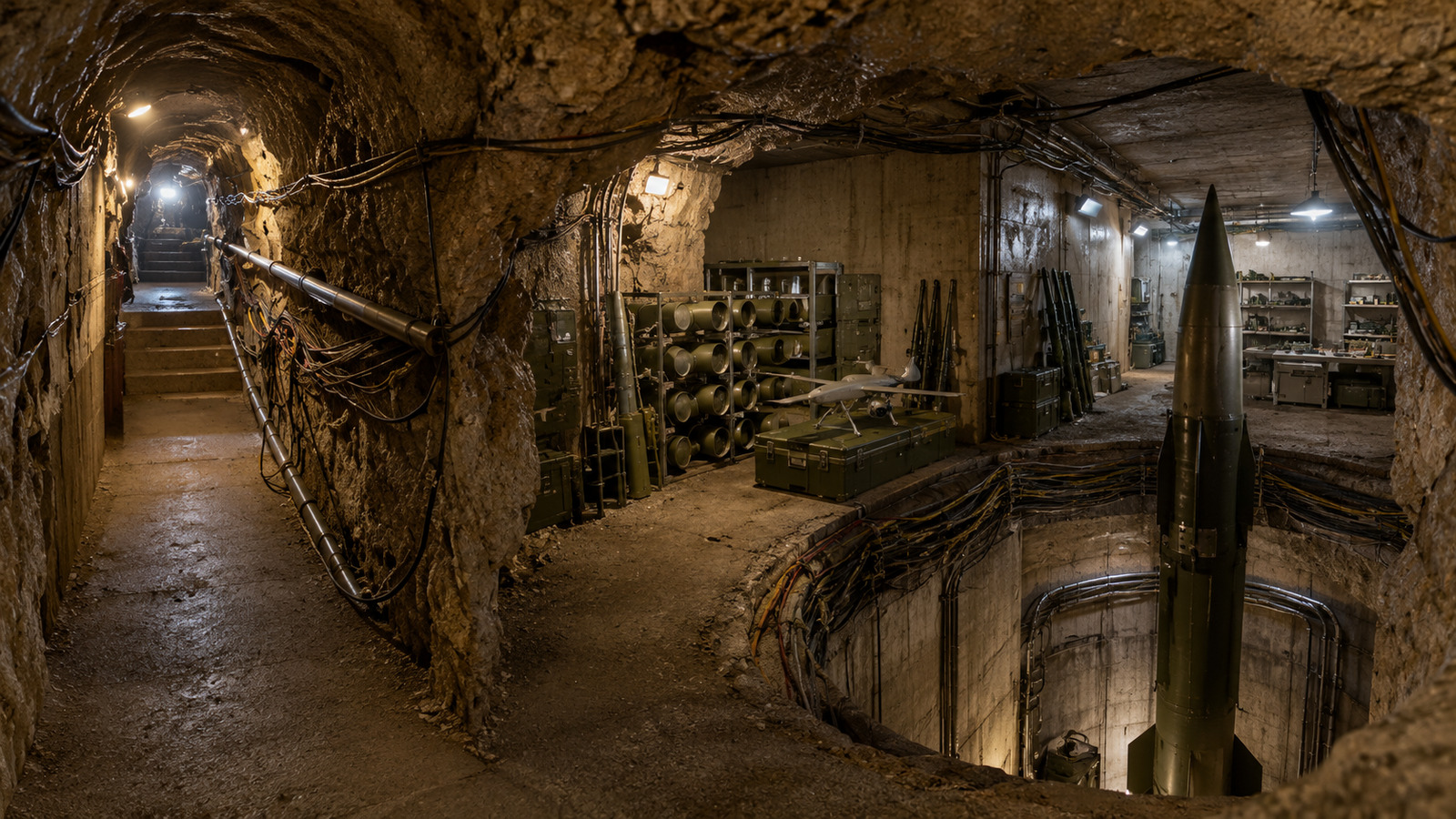
Israel finds Hezbollah militarized tunnel over 200 meters long under village, with 4 missile launch shafts, 12 chambers, anti-tank missiles, drones, and weapons depots at a depth of 25 meters.

-
Ukraine launches largest drone attack on Moscow since 2022, Russia claims to have intercepted nearly 200 aircraft near the capital, Kapotnya refinery targeted again, and offensive reignites alert about war reaching the Russian energy heart just a few kilometers from the Kremlin.

-
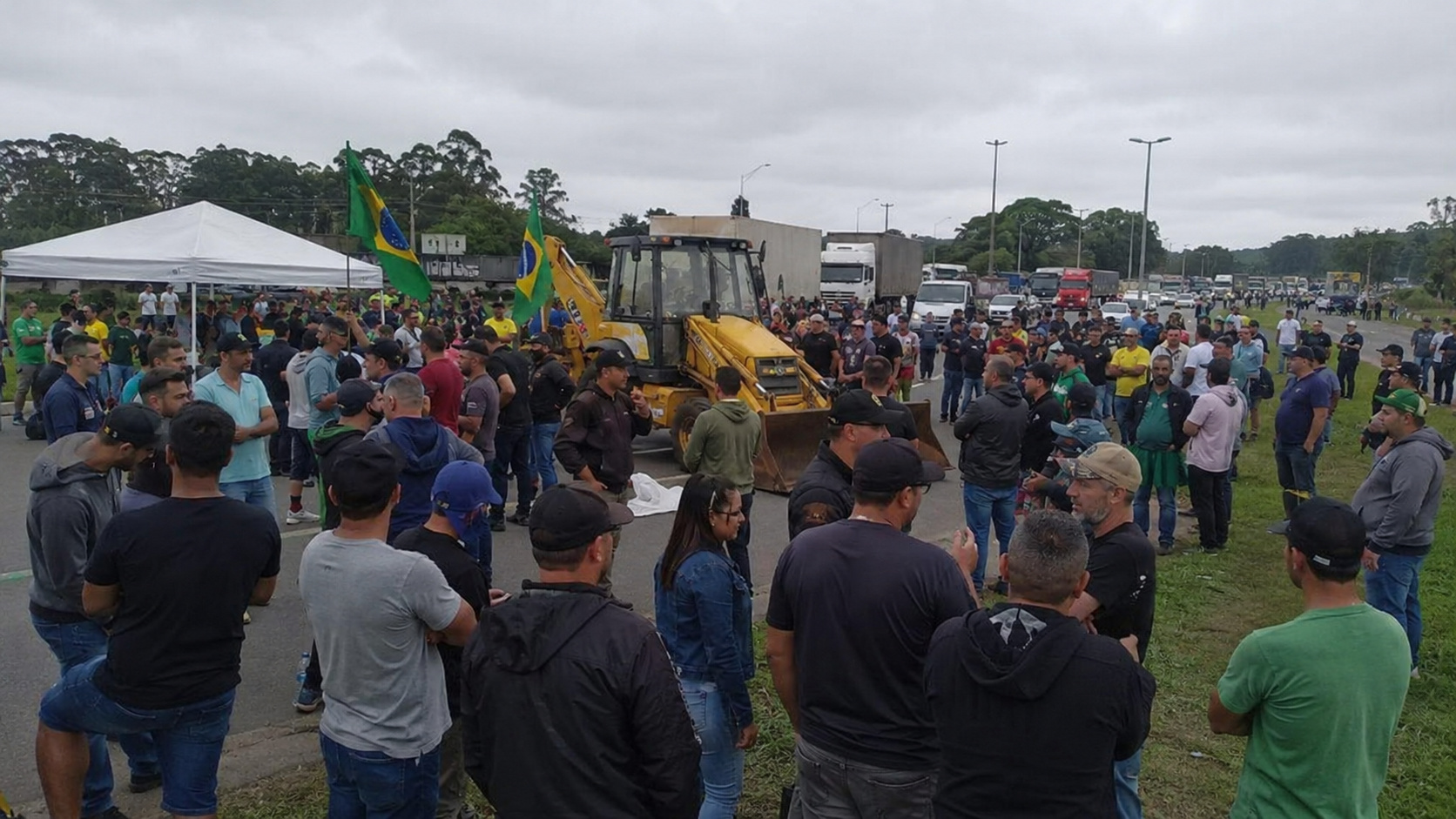
Truck drivers, freight, and fines from 2022 take center stage in politics: Chamber approves MP with amnesty, mandatory tracking by CIOT, million-dollar penalties, and new minimum wage for those who spend more than 24 hours on the road.

-
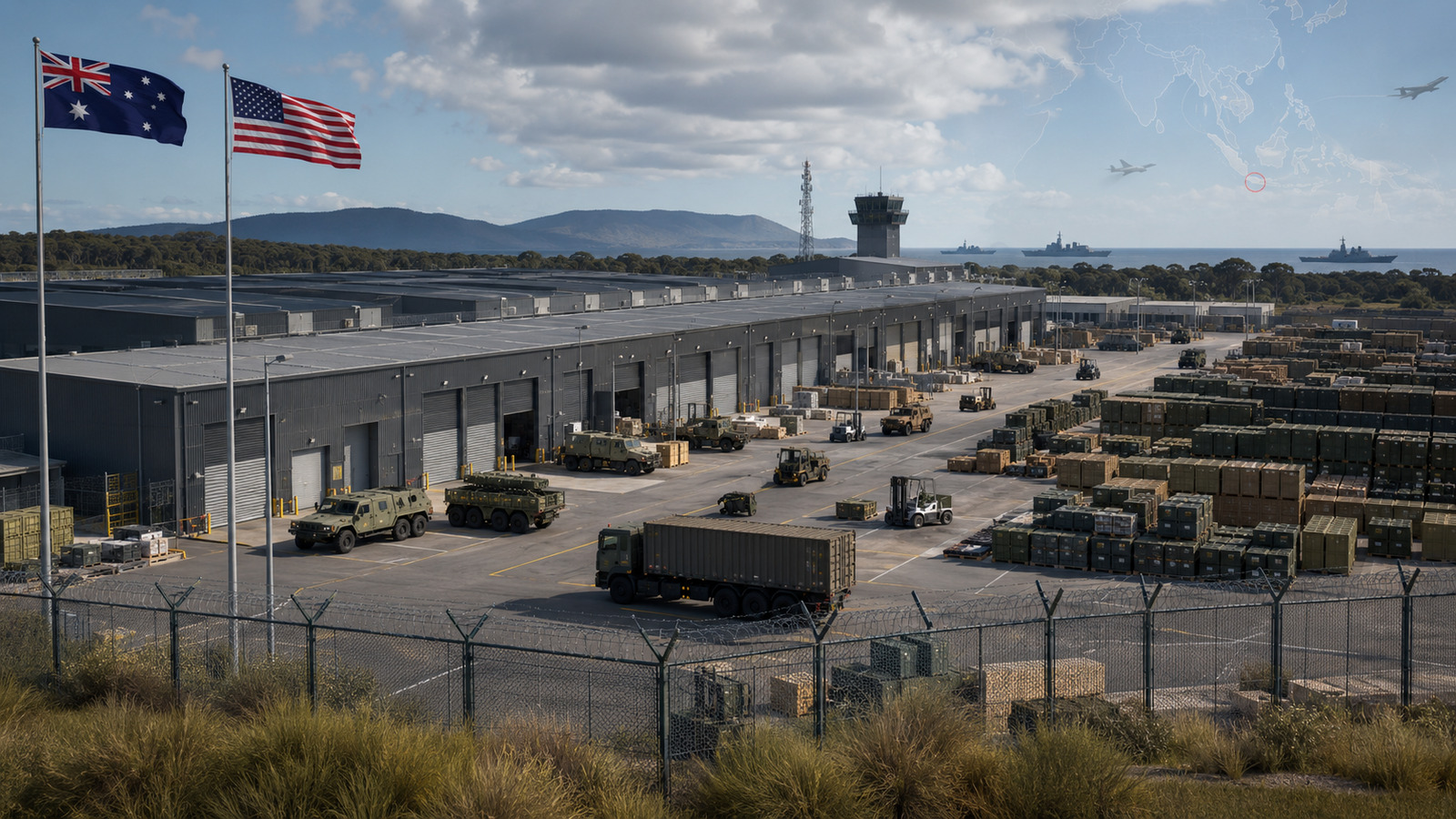
China off the radar: US plans mega $30 million weapons depot in Australia, out of reach of most Chinese missiles, with full capacity expected by 2028

Volcanoes can be classified into three main categories: active, dormant, and extinct. Active volcanoes are in constant or intermittent eruption, such as Mauna Loa in Hawaii and the volcanoes of Iceland and the Philippines.
Dormant volcanoes, such as Campi Flegrei and Yellowstone, have magma chambers that are still active but have not erupted for a long time. “Extinct volcanoes, on the other hand, have no more magma available to cause eruptions, as is the case of the supervolcano that existed in the region where Ribeirão Preto is today, extinct for about 130 million years,” explains Sergio Sacani.
The Supervolcanoes of Planet Earth
In addition to Campi Flegrei, other known supervolcanoes include: Yellowstone (United States), Valles Caldera (New Mexico, USA), Lake Taupo (New Zealand), Lake Toba (Sumatra, Indonesia), and the Ngorongoro Crater (Tanzania).
These supervolcanoes represent a global threat due to the devastating potential of their eruptions. The eruption of a supervolcano can release large amounts of ash and gases into the atmosphere, blocking sunlight and causing a “volcanic winter,” a period of global cooling that can last for years.
Volcanic eruptions not only cause climate changes but can also be extremely deadly. The eruption of Mount Tambora is considered the deadliest, killing between 71,000 to 250,000 people. The eruption of Krakatoa in 1883 resulted in the death of 36,000 people. These events demonstrate the devastation that volcanic eruptions can cause, both in terms of human losses and environmental destruction.
Campi Flegrei: An Imminent Threat
Campi Flegrei, located near Naples, is a supervolcano with a history of catastrophic eruptions. According to Sergio Sacani, Scientists are concerned about recent signs of activity, including earthquakes and ground uplift.
Part of the volcano is submerged, making it difficult to fully monitor its activity. If Campi Flegrei erupts, it could release a massive amount of volcanic material, affecting the global climate and causing serious health and transportation issues in Europe.


Impacts of a Supervolcano Eruption
The eruption of a supervolcano like Campi Flegrei would have catastrophic consequences. “The release of ash and gases into the atmosphere could block sunlight, causing a volcanic winter that would affect agriculture and life in general,” says Sergio Sacani.
According to him, the resulting drop in global temperature could lead to crop failures, famine, and economic crises. Furthermore, the eruption could trigger extreme weather events, such as storms and flooding, further exacerbating the problems.
The Importance of Volcanic Monitoring
Monitoring the activity of supervolcanoes is crucial for predicting possible eruptions and reducing their impacts. Today, scientists use a variety of techniques, such as measuring earthquakes, analyzing volcanic gases, and observing changes in the topography of the ground.
According to the information, in light of the imminent threat of an eruption of Campi Flegrei, Italian authorities and international organizations are developing emergency plans to evacuate at-risk areas and minimize damage.
These plans include creating evacuation routes, building temporary shelters, and implementing early warning systems. Collaboration among scientists, governments, and local communities is essential to ensure an effective response to a possible volcanic crisis.
Do You Think We Are Prepared to Face an Eruption of a Supervolcano Like Campi Flegrei? Leave Your Opinion in the Comments!





infelizmente a humanidade e inconsequente. Penso que campi flegrei será uma hecatombe. os acessos via solo já caíram. milhões a mercê de governos corruptos e gananciosos.
Se não coseguimos nem resolver problemas que convivem conosco há séculos, como conseguiremos resolver uma catástrofe sem hora certa para acontecer. É torcer para que a erupção seja mais branda e minimizar os danos.
Não