





 Portuguese
  English
  Spanish
  3 min of reading
  0 comments


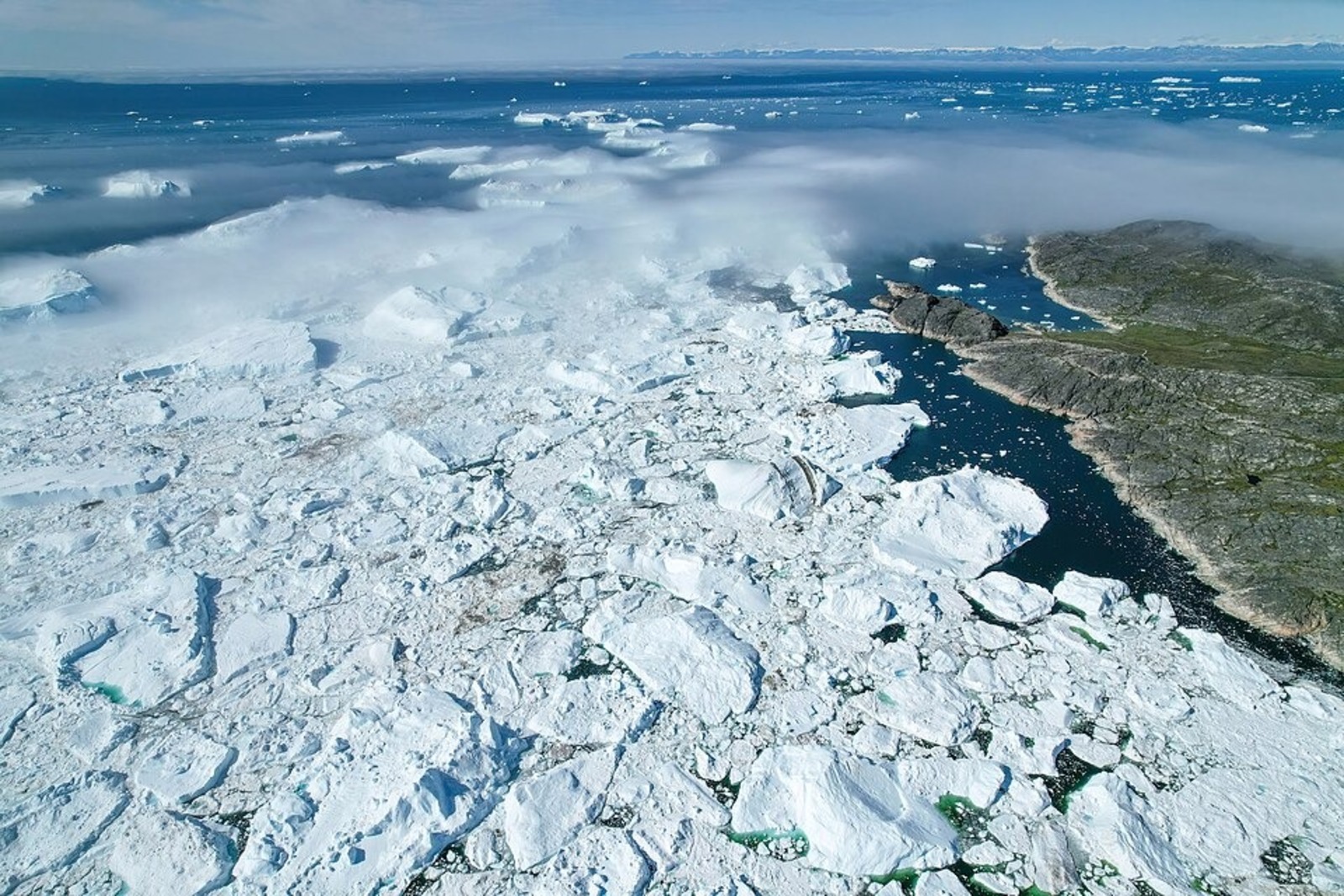
The Largest Island on the Planet Is Literally Changing Shape: The Melting of Billions of Tons of Ice Is Altering the Earth’s Crust of Greenland, Causing It to Sink, Twist, and Even Shrink Gradually
Greenland, the largest island in the world, is literally changing shape. Researchers have discovered that the melting of its ice layers is altering the pressure on the underground, which has been causing deformations in the Greenland Plate, part of the North American tectonic plate.
The study, published in the Journal of Geophysical Research, indicates that this change causes the island to twist, sink, and even gradually shrink.
Changes Caused by Melting
The ice accumulated on the surface of Greenland weighs billions of tons. When this ice melts, the pressure exerted on the ground decreases, causing distinct reactions in the terrain.
-
Australia transforms remnants of plastic bags, glass bottles, and printer cartridges into new roads; each kilometer of Reconophalt uses 200,000 bags, 63,000 bottles, toner from 4,500 cartridges, and 50 tons of repurposed pavement.

-
Discreet, technological, and controversial: smart glasses become a tool for viral pranks, record reactions without anyone noticing, and reignite an urgent debate about privacy on social media.

-
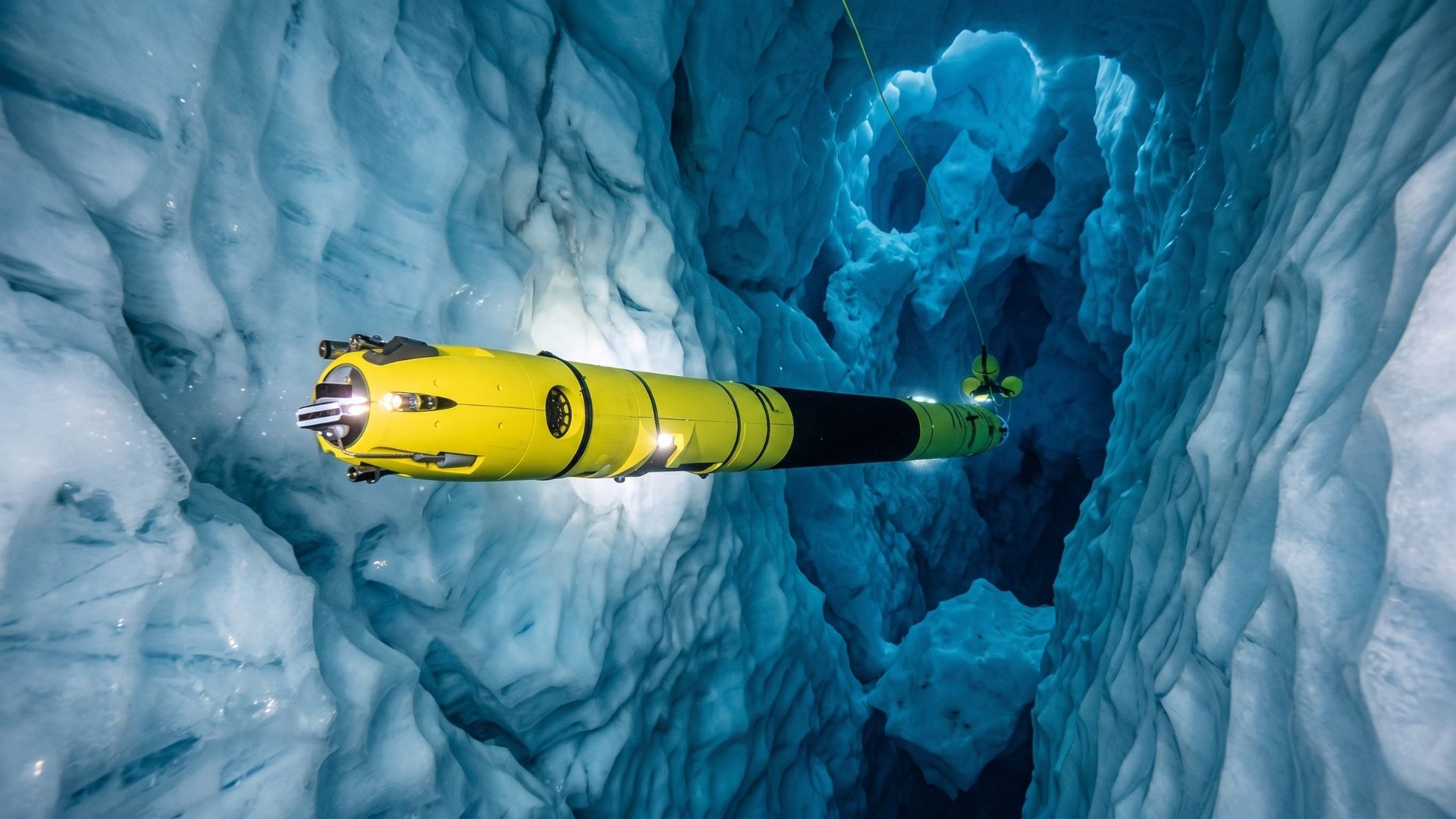
A torpedo-sized submarine robot was launched through a 600-meter hole in the “doomsday glacier” and revealed cracks melting up to 10 times faster; Icefin showed from the inside how warm water threatens Thwaites, an ice mass capable of raising sea levels by almost 70 cm.

-
The iPod is back in full force: young people are reviving Apple’s old device to escape digital distractions and control their own soundtrack.



In some regions, the bedrock is rising. In others, where the ice is still dense, the ground continues to sink.
This combination of movements creates a kind of “deformation,” where parts of the island rise, stretch, or compress.
According to researchers, this process has been occurring continuously and is influenced both by current melting and by changes that have taken place since the last Ice Age.
The Island Is Shrinking
According to measurements taken over the last two decades, Greenland has been shifting about two centimeters per year to the northwest.
At the same time, some areas are being retracted and compressed.
“Overall, this means that Greenland is becoming a little smaller,” explains NASA researcher Danjal Longfors Berg, the lead author of the study. “But this may change in the future with the accelerated melting we are seeing now.”
The expert recalls that, in recent decades, the melted ice has pushed Greenland outward, increasing its area.
However, opposing movements are also occurring, as the Earth’s crust reacts differently in each region, depending on the amount of accumulated ice and the local geological history.
Detailed Analyses and Measurements
To understand the phenomenon, researchers from the Technical University of Denmark installed 58 GPS stations along the island’s coast. These devices meticulously recorded the variations in the terrain.
Based on this data, a computational model was created that simulates the geological movements of Greenland over the last 26,000 years — from the end of the Ice Age to the present day.
“We created a model that shows movements over a very long timescale, and we used precise measurements from the last 20 years,” says Berg. “This means we can now measure the movements with great precision.”
A Surprising Behavior
The results surprised scientists. The initial expectation was that the island was only being stretched due to recent melting.
But the study revealed the opposite in some regions: large areas are, in fact, being compressed and retracted.
These findings show that Greenland’s geological balance is more complex than previously thought, and that its transformations will continue to follow the pace of global warming.
With information from Revista Galileu.



-

-

3 people reacted to this.