Portuguese
  Spanish


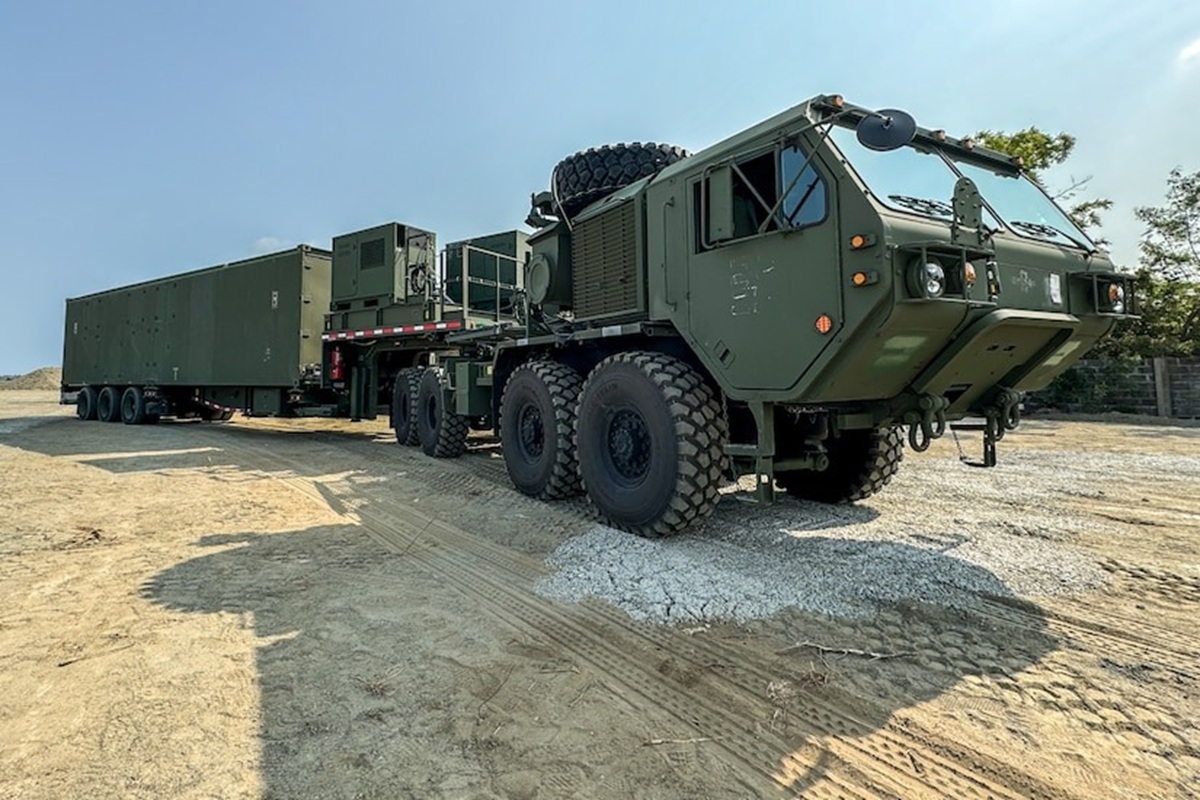


Typhon System Displayed During Military Exercise Reinforces Alliance Between Washington and Tokyo Amid Growing Tensions in the Indo-Pacific
The United States Army presented for the first time in Japan its Typhon intermediate-range missile system, capable of firing hypersonic missiles, during the annual Resolute Dragon military exercise.
This movement strengthens cooperation between Washington and Tokyo and demonstrates both sides’ willingness to expand their defensive capabilities in the Indo-Pacific region.
The ground system can launch Tomahawk cruise missiles with a range of nearly 1,600 kilometers, enough to hit the east coast of China or parts of Russia.
-
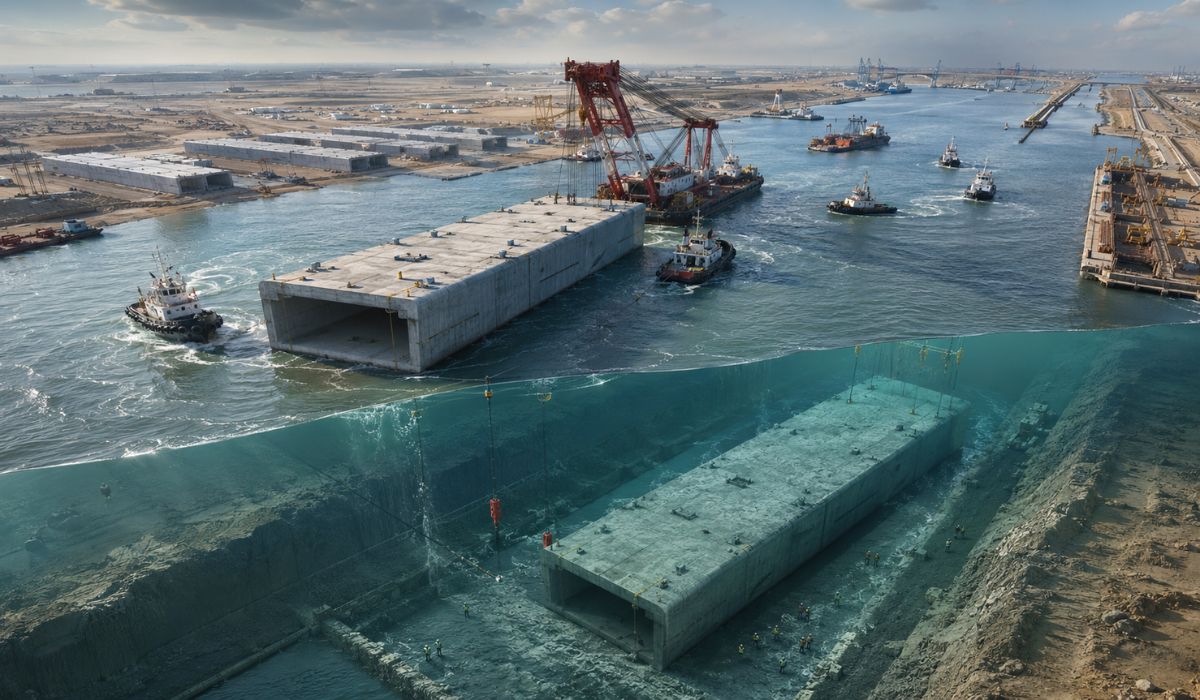
Iraq floats and sinks under an arm of the Euphrates 10 giant concrete boxes of 46,000 tons and 125 meters each to assemble a 2.4 km submerged tunnel and open a new land route between Asia and Europe.

-
Scientists use more than 20,000 artificial birds and solar speakers to “trick” seabirds, reactivate nesting routes, and revive a colony on an island that seemed abandoned.

-
She spent 73 years breathing inside an iron lung, survived the aftereffects of polio, and became the last woman in the United States dependent on the equipment before dying at 78 years old.
-
Brazilian students created a $1 filter using pine bark, cotton, and 3D-printed parts to clean cassava wastewater, reduce the toxicity of a hazardous waste, and transform contaminated water into biofertilizer.



The demonstration took place at the Iwakuni Marine Corps Air Station and involved about 20,000 American and Japanese soldiers, along with warships and missile batteries spread across Japanese territory.
Strategic Range Missile System
Colonel Wade Germann, commander of the task force operating the system, stated that the Typhon creates dilemmas for the enemy by employing multiple systems and different types of munitions.
According to him, the deployment speed allows for quick positioning of the equipment when necessary, increasing the flexibility of operations.
Germann emphasized that the system will be withdrawn from Japan after Resolute Dragon, but did not disclose the next relocation site or confirm if it will return to the country.
The arrival of Typhon in western Japan follows its deployment in the Philippines in April 2024, an event that drew criticism from Beijing and Moscow. Both accused the U.S. of fueling an arms race in the region.
The commander also did not confirm if the unit sent to Japan is the same one that was in the Philippines, where, according to Reuters, the launcher remained at the end of August.
China’s Reaction and Military Expansion in the Region
American forces also conducted live-fire exercises in Australia this year, but their presence in Japan, closer to China, tends to provoke stronger reactions.
Washington considers Iwakuni part of the so-called “First Island Chain,” a set of territories extending from Japan to the Philippines that limits Chinese naval and aerial power.
In addition to Tomahawks, the Typhon can fire SM-6 missiles, designed to hit ships or aircraft over 200 kilometers away. The U.S. intends to spread these anti-ship weapons throughout Asia to counter the advancement of China’s hypersonic missile arsenal.
Unlike next-generation projects, the Typhon utilizes existing mass-produced weapons, something that, according to military planners, can help the U.S. and its allies reduce the gap with China.
Japan, in turn, is also increasing its military spending. The country is acquiring Tomahawk missiles for its warships and developing its own medium-range systems, the largest enhancement of its defense capabilities since World War II.