Portuguese
  Spanish


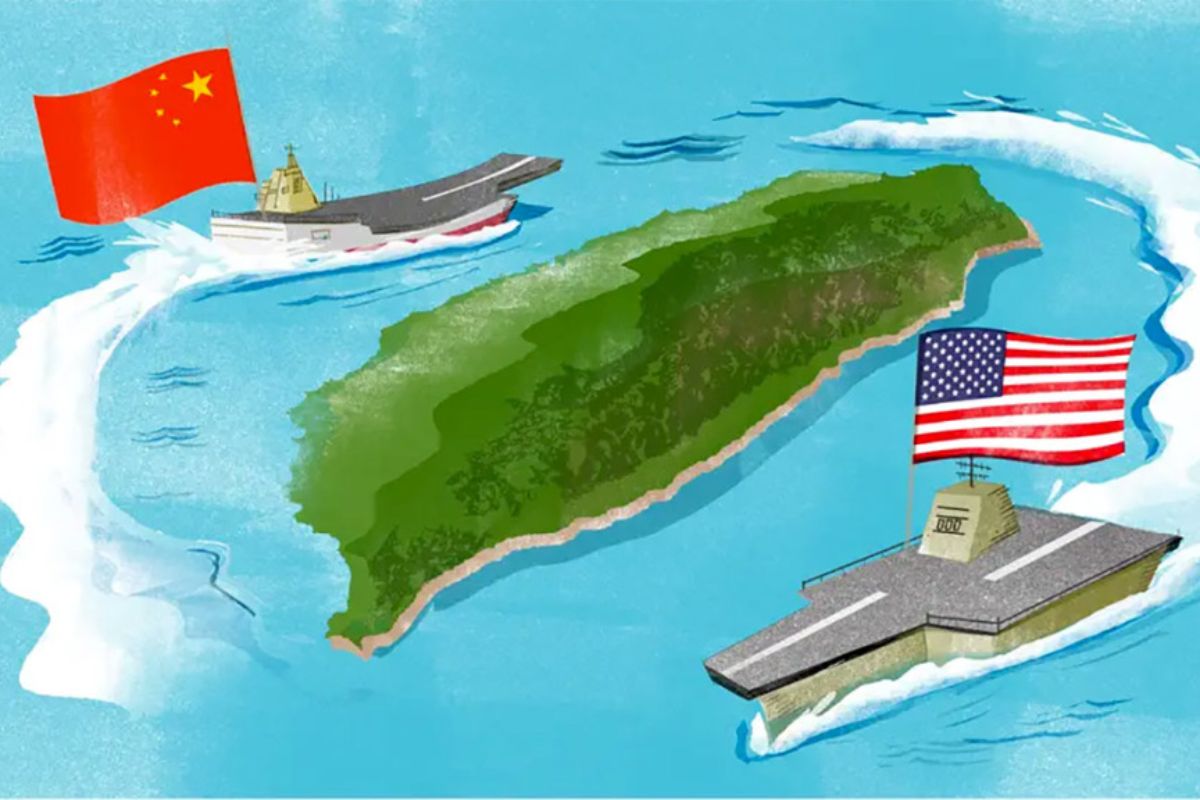


Financial Times Report Reveals That Washington Is Pressuring Japan and Australia for a Definition of Their Role in a Potential Conflict Over Taiwan.
According to a report published by the British newspaper Financial Times on July 14, 2025, the U.S. is pressuring allies in Asia to define what their role would be in a potential military conflict between China and Taiwan. This move, led by a high-ranking official in the Trump administration, represents a shift in American foreign policy and increases the complexity of the geopolitical landscape in the Indo-Pacific.
The direct pressure has created discomfort in nations like Japan and Australia, which have historically maintained a more cautious stance. Washington’s initiative seeks to align its key military alliances in the region in light of what it considers a growing threat from Beijing, but it also tests the strength of these strategic partnerships.
Washington’s Direct Pressure
The coordination of this new approach is being led by Elbridge Colby, Deputy Assistant Secretary of Defense for Strategy in the Trump administration. According to the Financial Times, Colby has been holding private meetings with representatives from Japan and Australia, demanding clear answers on what each country would be willing to do if China were to initiate a military offensive against Taiwan.
-
U.S. Women’s History Museum Stalled in Congress Amid Gender Identity and Diversity Debate

-
European Parliament Approves Digital Euro, Aiming to Challenge Visa and Mastercard’s Dominance and Transform Payments Across Europe by 2029
-
Israel finds Hezbollah militarized tunnel over 200 meters long under village, with 4 missile launch shafts, 12 chambers, anti-tank missiles, drones, and weapons depots at a depth of 25 meters.

-
Ukraine launches largest drone attack on Moscow since 2022, Russia claims to have intercepted nearly 200 aircraft near the capital, Kapotnya refinery targeted again, and offensive reignites alert about war reaching the Russian energy heart just a few kilometers from the Kremlin.



This pressure marks an important shift from the traditional U.S. policy of “strategic ambiguity”, which avoided making it clear whether it would intervene militarily to defend the island. Now, the U.S. is pressuring allies for a prior and detailed commitment.
The Cautious Reaction from Japan and Australia
Washington’s direct approach has caused surprise and discomfort. Sources close to the negotiations reported to the Financial Times that both Japan and Australia find it difficult to make a formal commitment, as there are no absolute guarantees that the United States itself would go to war over Taiwan.
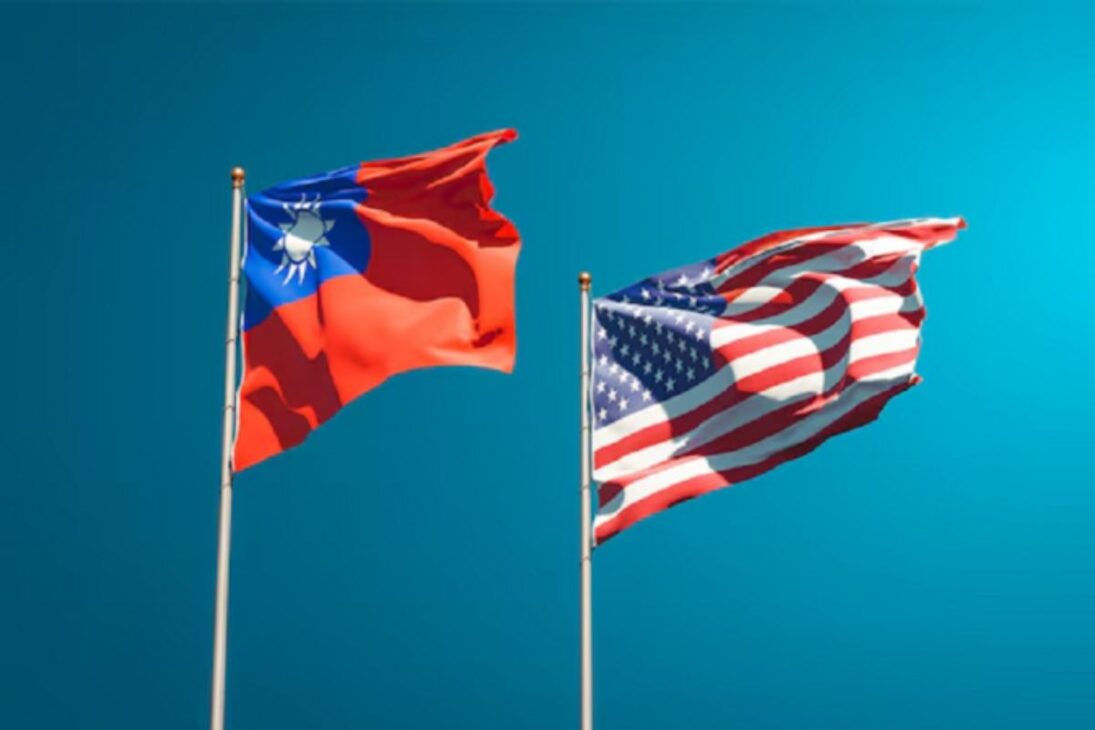
Defense officials from Japan classified the pressure as “very delicate,” stating that any involvement would depend on a constitutional analysis and the circumstances at the time of the conflict. Meanwhile, Australia, through Defense Industry Minister Pat Conroy, told Reuters that the country “does not make prior commitments regarding hypothetical wars”, reiterating that any decision will be based on national sovereignty.
The Tension Scenario in the Indo-Pacific
The U.S. is pressuring allies at a time of increasing Chinese military activity in the region. A report from the Wall Street Journal recently described how Chinese ships and aircraft have been conducting simulations of blockades and sieges around Taiwan, which U.S. officials consider rehearsals for a potential invasion.
In response, the United States has also increased its presence in the region, with new missile systems and joint military exercises. In the most recent one, Talisman Sabre, thousands of American, Japanese, and Australian soldiers conducted maneuvers, in a clear show of force towards China.
The End of “Strategic Ambiguity” and New Alliances
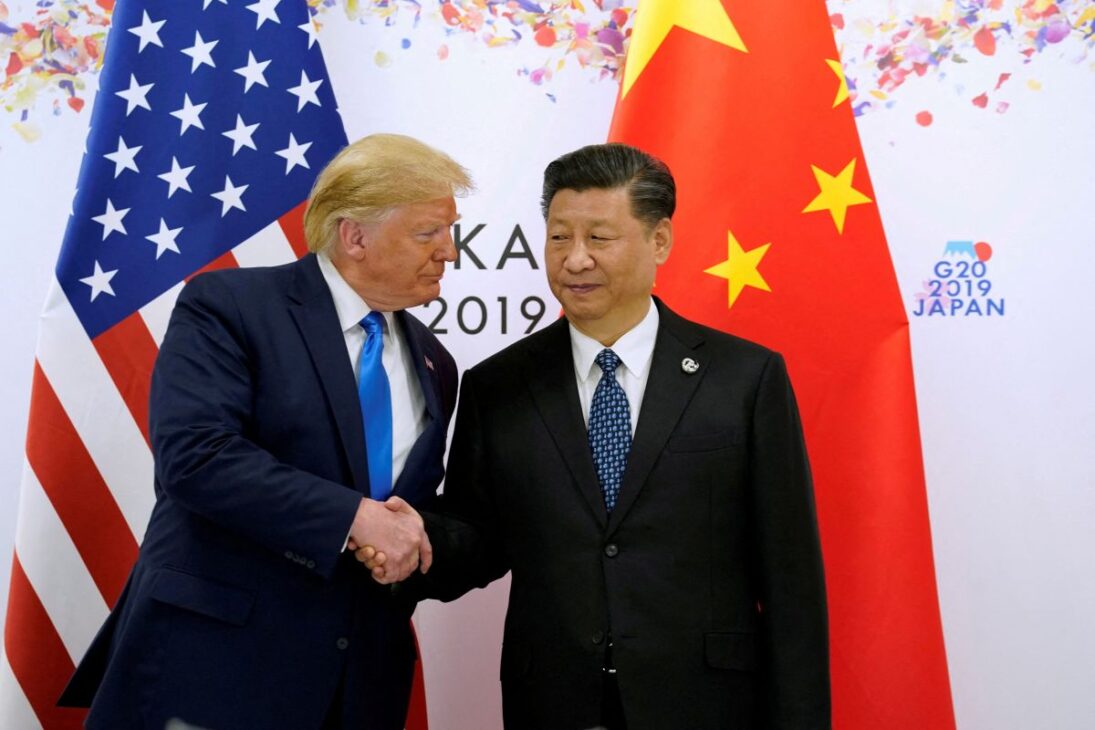
Washington’s new stance, reinforced by the nationalist rhetoric of the current Republican administration, may redefine military alliances in the Indo-Pacific. By publicly demanding a definition from its closest partners, the U.S. is pressuring allies to get off the fence.
This strategy tests the delicate balance between military deterrence and diplomacy in the Taiwan dispute, forcing nations in the region to calculate the risks and benefits of a more explicit alignment with Washington in one of the most tense areas of the planet.
How do you think Japan and Australia should respond to this pressure from the U.S.?