Portuguese
  Spanish


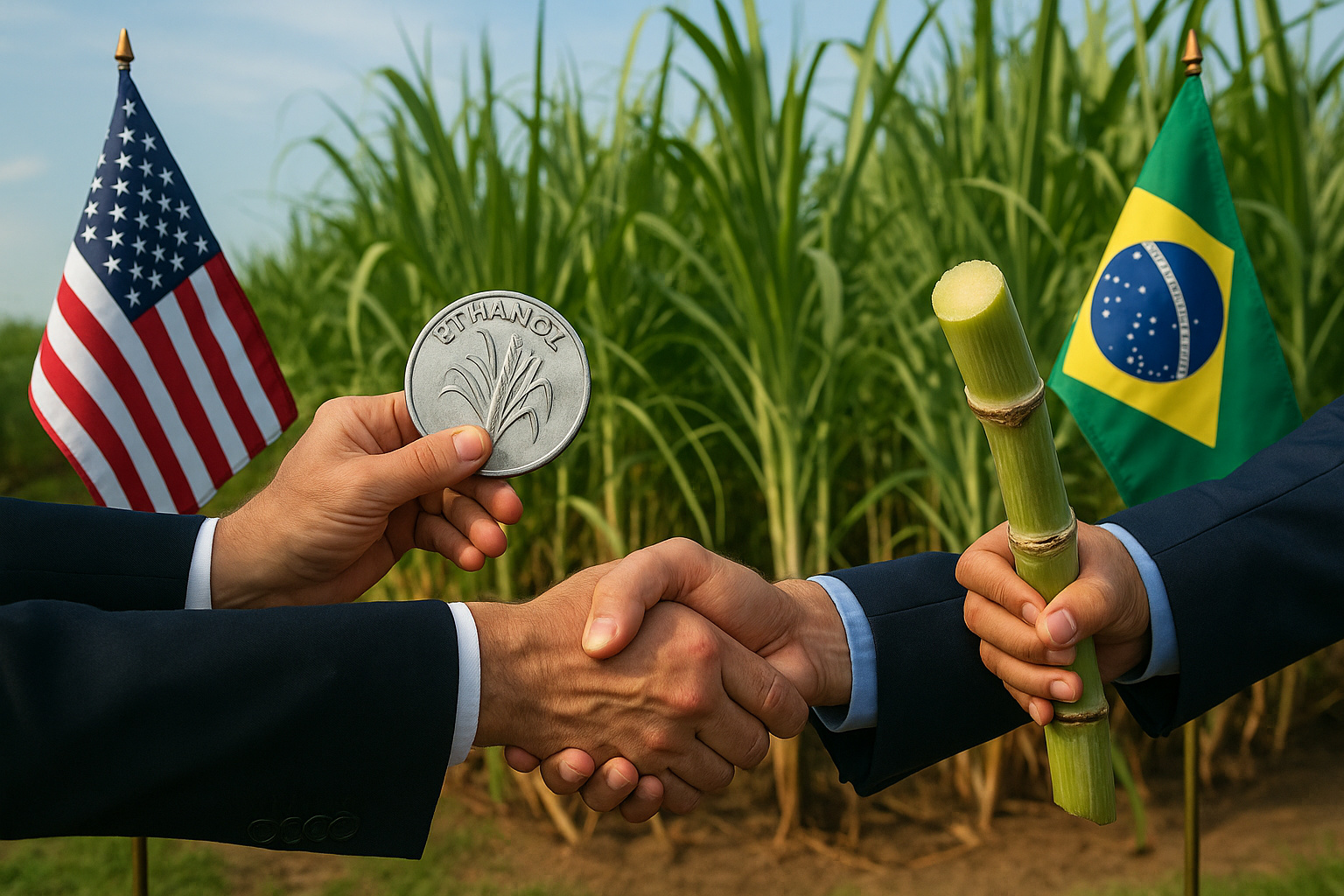

Unica and Bioenergia Brasil Defend Ethanol as a National Strategic Asset and Reinforce That the Green Fuel Cannot Be Used in Trade Agreements with the United States
The negotiations between Brazil and the United States, initiated in September 2025, gained momentum following the joint stance of Unica (Union of the Sugarcane Industry) and Bioenergia Brasil.
On October 17, 2025, both released a statement to CNN Brasil, stating that ethanol is a strategic asset of national sovereignty and should not be treated as a bargaining chip.
This position came amid bilateral discussions on biofuel tariffs, which have become the main point of tension between the two countries.
According to the organizations, any tariff revision must preserve energy security, regulatory stability, and Brazil’s credibility in the low-carbon energy transition.
-
Labor Shortage: Despite Record Average Salary, 90% of Brazilian Bar and Restaurant Owners Struggle to Hire Key Roles Like Sushi Chefs and Head Cooks

-
Supermarket Deli Counter Attendants in Brazil Could Earn Over $2,100 Monthly by 2026, Plus Benefits Package
-
Americanas Sells Imaginarium and Puket to BandUP! for $29.5 Million to Address Debt After Massive Financial Loss

-
21-Year-Old Moves Back to Parents’ Home in Arizona, Finds New Private Apartment in Converted Garage as Families Tackle U.S. Housing Pressures


American Criticism and Investigation into Brazilian Tariffs
The tariffs imposed by Brazil on imported ethanol have been heavily criticized by the United States.
In 2025, the USTR (Office of the United States Trade Representative) initiated a formal investigation against Brazil, alleging unfair international trade practices.
According to the agency, the gradual increase of the tariff to 18% over the last few years has caused a sharp decline in exports of American ethanol.
As a result, speculation increased that Brazil might relax the tariffs to ease diplomatic pressure.
However, the sugar-energy sector rejects any changes that could jeopardize regulatory predictability and national sovereignty.
Moreover, the organizations argue that giving up tariff protection would weaken the competitiveness of Brazilian bioenergy, reducing investments and threatening energy security built over decades.
Unica and Bioenergia Brasil Deny Rumors of Tariff Reductions
The joint statement released by Unica and Bioenergia Brasil, with support from Copersucar, FS, and Raízen, strongly denies the rumors about possible reductions in ethanol import tariffs to please the United States.
According to the statement, “the information is not true” and the sector maintains a unified position in defense of trade reciprocity.
Additionally, the organizations emphasize that regulatory predictability and respect for international trade rules are essential for the stability of the Brazilian biofuels market.
These pillars, as they explain, ensure the competitiveness of national bioenergy and protect public interest, especially at a time of global transition to clean and sustainable energies.
Thus, the sector reaffirms that no international negotiation can weaken Brazil’s leadership or turn ethanol into a diplomatic bargaining tool.
Chronology of Negotiations Between Brazil and the United States
August 1, 2025 — Unica and Bioenergia Brasil released a statement reaffirming confidence in the balanced conduct of the federal government in the face of American pressure on ethanol.
October 17, 2025 — CNN Brasil published exclusively the new stance, in which the sector emphasizes ethanol as a symbol of energy sovereignty and rejects using it as a bargaining chip.
October 2025 — Tariffs on ethanol returned to the center of negotiations between Brasília and Washington, generating new discussions on reciprocity and trade balance.
This sequence of events shows that tariff negotiations have turned into a lasting diplomatic impasse, requiring technical dialogue and a firm stance from the Brazilian government.
Meanwhile, the sector reinforces that energy autonomy must prevail over external interests.
Sector Reaffirms Ethanol’s Role in the Energy Transition
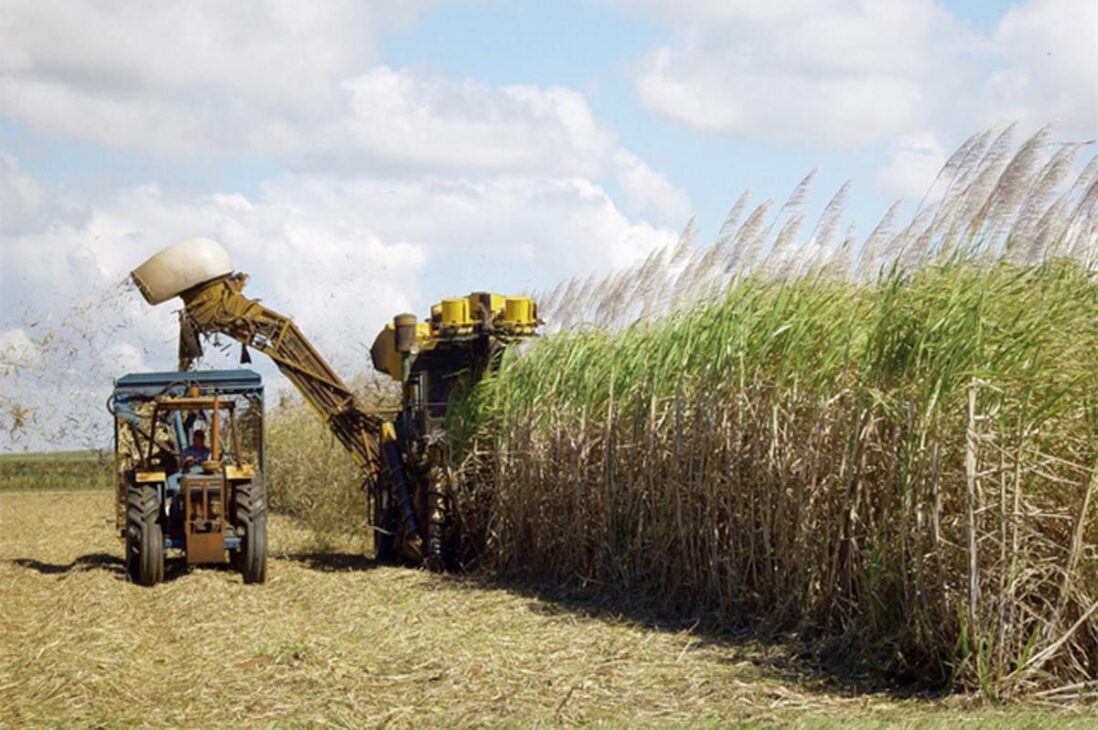
The positioning of Unica and Bioenergia Brasil highlights the essential role of ethanol in the national energy matrix.
The biofuel, in addition to reducing emissions, generates jobs, boosts agribusiness, and supports the clean energy economy in Brazil.
Therefore, the entities advocate for stable and transparent policies that ensure continuous investments and legal security.
According to data from the National Agency of Petroleum (ANP), ethanol accounts for almost half of the renewable energy used in national transportation.
Thus, Brazil consolidates itself as a global leader in sustainable biofuels production, attracting investments and strengthening its international image.
Moreover, experts emphasize that regulatory predictability and the maintenance of current tariffs are essential to protect the national industry and stimulate technological innovation.
The Future of Trade Relations and Energy Sovereignty
With negotiations between Brasília and Washington ongoing, analysts foresee new diplomatic developments in the coming weeks.
Nevertheless, the Brazilian government remains firm in balancing dialogue and strategic protection, prioritizing the strengthening of the sector and national energy independence.
Meanwhile, the biofuels sector maintains a unified stance and argues that ethanol is a symbol of Brazilian sovereignty and innovation.
For them, no international pressure should compromise the autonomy built over decades of investment and research. The scenario, therefore, requires strategy, balance, and transparency.
And, in light of this, the question remains: Should Brazil yield to American pressure to expand ethanol trade or preserve its energy sovereignty at all costs?