Portuguese
  Spanish


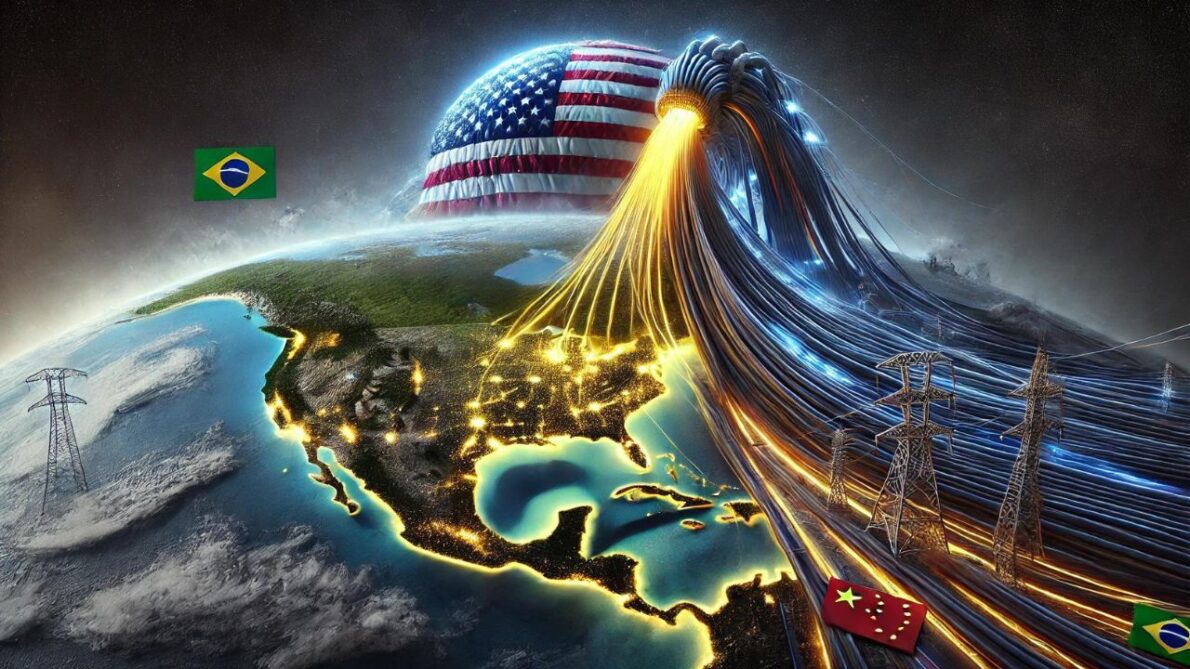

Brazil Highlighted in Critical Mineral Supply as US Seeks to Reduce Dependence on China; Mining Expansion is Crucial
If Brazil’s underground were a treasure chest, we would be about to pave the way for a greener energy future! Mining expansion is the focus in the energy transition, and Brazil has all the critical minerals that the world needs. Meanwhile, the US is looking for new reliable partners to reduce dependence on China.
Brazil at the Forefront of Critical Minerals
The global energy transition is directly linked to mining expansion, and Brazil is in a privileged position. The country has reserves of all the critical minerals needed for green technologies, such as electric vehicle batteries (nickel, lithium, and graphite), wind turbines (nickel, aluminum, copper, and rare earth elements), and solar panels (aluminum, copper, polysilicon, silver, and steel).
“We are able to offer all the critical minerals that the world needs, without exception. We have at least one deposit of each of these minerals,” says Valdir Silveira, director of geology and mineral resources at the Geological Service of Brazil (SGB).
-
Fired during apartheid and with a little borrowed money, an electrician started with a borrowed truck and transformed electrical services into a group connected to energy, real estate, and infrastructure in South Africa.

-
Wood has ceased to be just a construction material in Yale research and has become insulation for electrical transformers that face intense heat, aging, and increasing pressure from the renewable energy-powered grid.
-
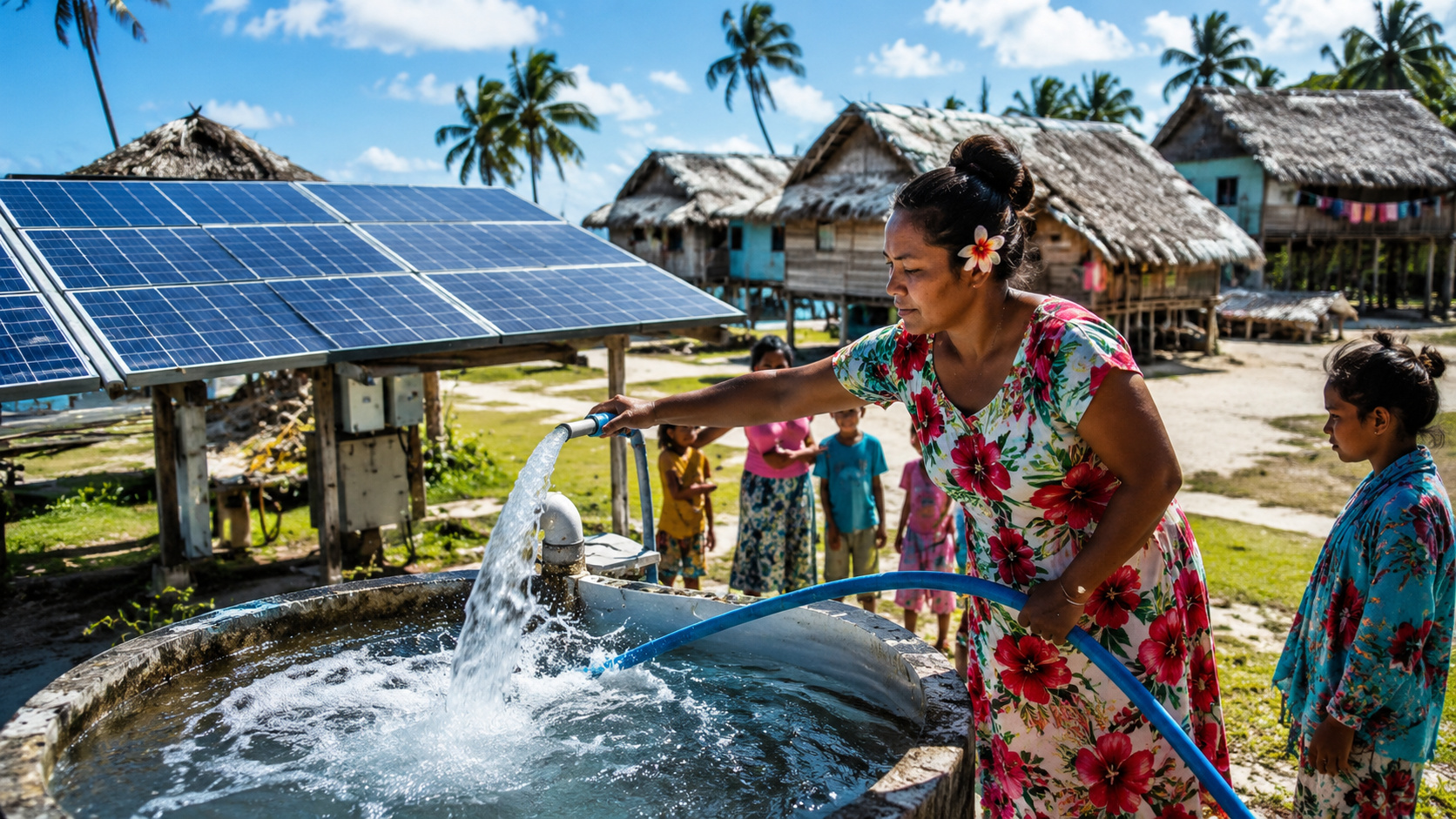
More than 1,000 residents of a remote island in Kiribati now have clean water and electricity with solar systems operated by the community itself.
-
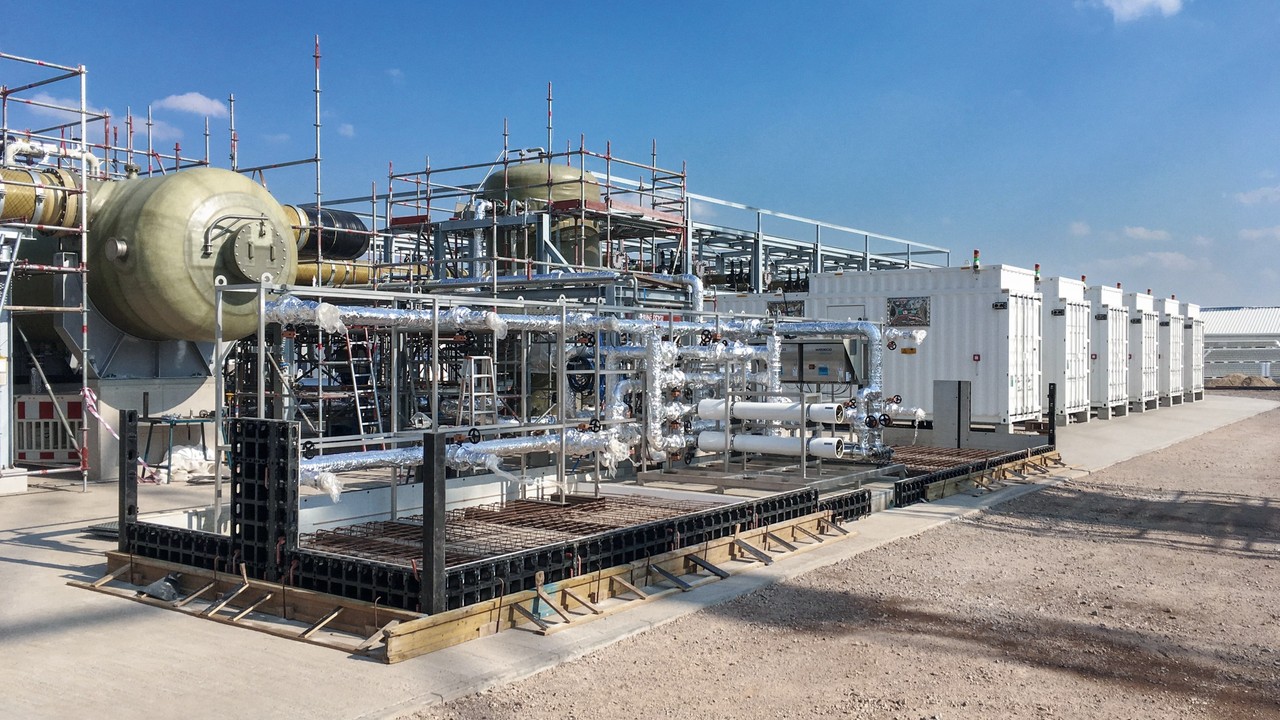
Ceará brings together 7 giants and R$ 66 billion to transform Pecém into the largest green hydrogen hub in Brazil, with final decisions expected by the end of 2026.

US Seeking New Partners, Brazil with Great Potential
The United States wants to lead the energy transition and is looking for reliable suppliers to reduce dependence on China and countries considered less stable. “Without external partners, they [the US] will not be able to meet domestic demand,” says Fabrizio Panzini, director of public policies and government relations at Amcham.
In July, Geoffrey Pyatt, US Assistant Secretary of Energy Resources, visited Brazil to “accelerate cooperation with Brazil across the range of energy transition inputs“. Pyatt emphasized the importance of partnership in strategic minerals and stated: “We see Brazil positioned to really continue playing a global leadership role.”
Investments and Opportunities
To seize this opportunity, Brazil needs to invest in infrastructure and research to not only be a supplier of raw materials but also process minerals and even manufacture high value-added goods.
“The topic of critical minerals gained a different scale with the discussion of the energy transition in the post-pandemic,” says Abrão Neto, CEO of Amcham Brazil. According to him, the partnership with the US can be a “win-win” relationship, bringing gains to the extractive and processing industry in Brazil.
Ministry of Mines and Energy Reported That Brazil and the US Have “Different Circumstances”
Brazil and the US have a history of more than three decades of discussions on energy security, but in recent years, no new formal agreements have been signed. Recently, two new partnership agreements for clean energy generation were established by ministers from both countries.
The Ministry of Mines and Energy reported that Brazil and the US have “different circumstances,” but have been working together to unlock funding that would drive the energy transition.
Mining expansion in Brazil is essential to meet global demand for critical minerals in the energy transition. With the US seeking to reduce dependence on China, Brazil has the opportunity to establish itself as a strategic partner, as long as it can invest and develop the entire production chain.
The question remains: are we ready to assume this role of global leadership, or does Brazil still need to overcome internal barriers to fully take advantage of its potential in the energy transition?