Portuguese
  Spanish


Investigation Reveals Hidden Communication Devices in Chinese Solar Equipment Used in the U.S., Raising Alerts About Potential Espionage Risks and Vulnerabilities in the Electric Grid.
A new investigation by the Reuters agency has put American authorities on alert. Hidden devices found in solar equipment manufactured in China could pose a direct threat to the U.S. electric grid’s security.
Hidden Devices in Inverters and Batteries
The investigation revealed that cell radios and other communication devices were hidden in solar inverters and batteries of Chinese origin.
These components are essential for connecting solar panels to the electric grid and storing generated energy. But the detected elements were not listed in the technical manuals.
-
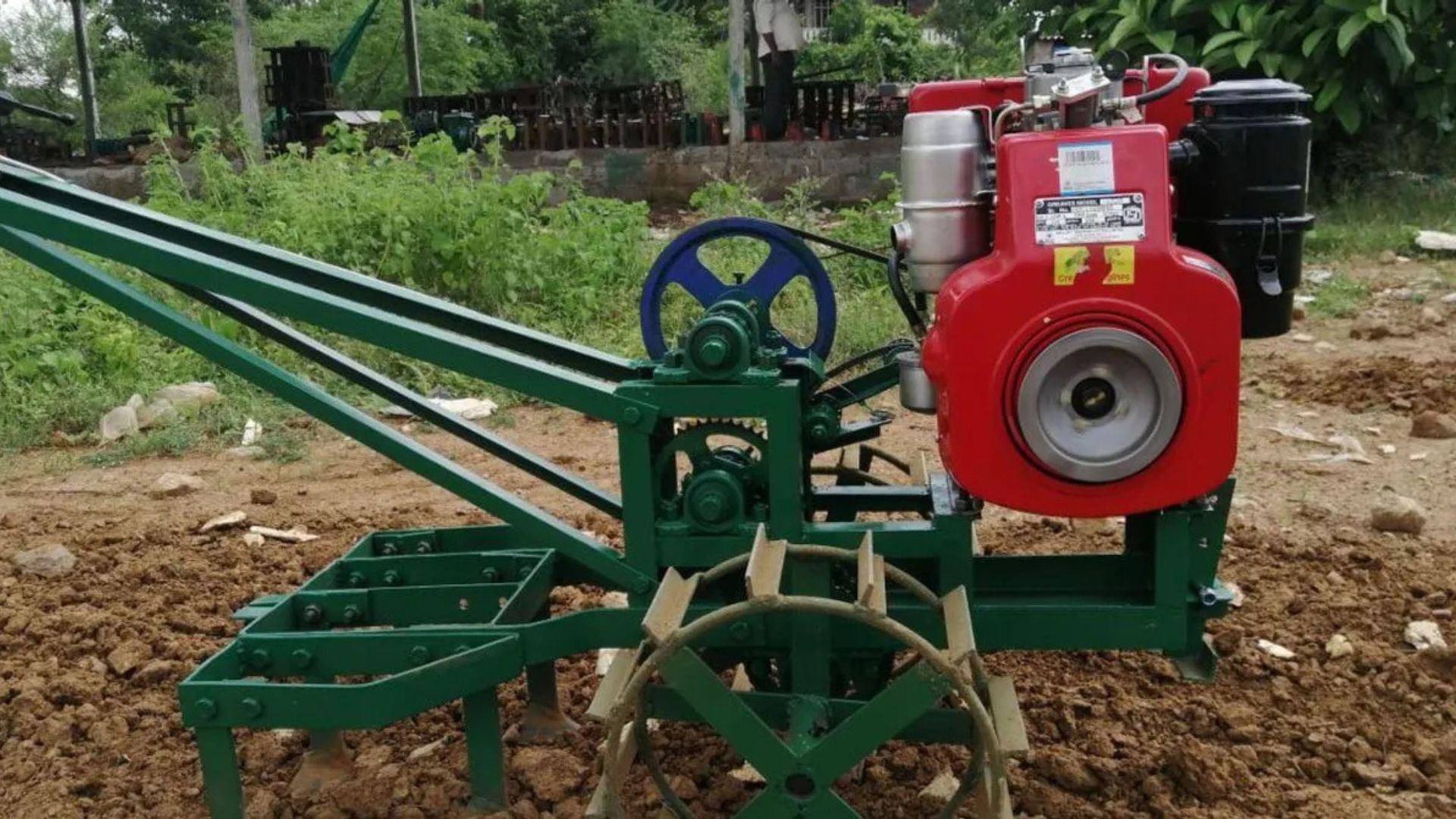
Indian Inventor, 58, Develops Steering Wheel-Free Agricultural Machine Operated by Levers, Offering Cost-Effective Alternative to Expensive Tractors

-
Scientific Breakthrough: Bacteria Found in a Rio de Janeiro Lagoon Guide Mars Research After Scientists Identify Similarities to Extreme Environments, Expanding Understanding of Extraterrestrial Life Possibilities

-
Brazilian Mechanic Wins Indian Presidential Award for Inventing Fuel-Efficient Agricultural Machine

-
Brazilian Polilaminin Reaches 100 Spinal Cord Injury Patients Through Compassionate Use, Shows Progress After 6 Months, Highlighting UFRJ’s Role in Experimental Regeneration Research



Experts explain that these devices, when undocumented, bypass traditional cybersecurity protocols.
This means that, even without confirmed malicious intent, they could be exploited by external agents for sabotage or espionage purposes.
Possible Remote Attack Raised Suspicions
In November, according to Reuters, solar inverters in the United States were reportedly deactivated remotely.
The origin of the action was linked to China, although the specifics and extent of the impact remain unclear.
Energy sector authorities and cybersecurity experts believe that such hidden tools could be used to remotely shut down inverters, disrupting power supply.
In a more severe scenario, this could lead to blackouts in parts of the country.
Intentional Omission Concerns Authorities
According to the agency, communication systems are common in solar equipment. They allow for updates and remote monitoring.
However, the issue in this case is the absence of this information in the official product documentation. For authorities, this indicates a possible intent of deliberate concealment.
A spokesperson for the U.S. Department of Energy stated that it is essential for buyers to have full awareness of the capabilities of the products they receive.
When the devices are known, it is possible to install firewalls and other protection systems. But, if they are hidden, these defenses no longer exist, facilitating external access without detection.
Scale of the Problem Is Still Uncertain
Reuters could not determine exactly how many pieces of equipment were affected or which manufacturers were involved.
What is known so far is that several Chinese companies were cited in the investigation. This increases uncertainty and complicates the assessment of the real risk to the infrastructure.
Data from consulting firm Wood Mackenzie show that about 78% of solar inverters used in the U.S. are produced in China.
The Center for a Prosperous America states that Chinese companies represent 39% of the installed solar module capacity in the country.
China Denies Any Irregularities
In response to the allegation, the Chinese embassy in Washington issued a statement. A spokesperson declared that China “opposes the generalization of the concept of national security” and criticized what was described as “distortion and defamation” of the achievements of the Chinese infrastructure industry.
Despite the denial, fears in Washington are increasing.
China has already been barred from providing equipment for 5G networks in the U.S., precisely due to similar concerns involving espionage. Now, similar measures may be adopted in the clean energy sector.
Risk Goes Beyond Theory
The situation worsens because the suspicious equipment is already installed. They are in use in homes, businesses, and even public facilities.
This means that potential threats are not just theoretical. They can materialize at any moment, depending on the control that these hidden devices offer.
So far, the U.S. Department of Energy has not issued official alerts. However, sources consulted by the agency state that the situation is being closely monitored.
In light of this scenario, there is increasing pressure for domestic production of solar components. Dependence on foreign technology, especially when it involves security issues, has been increasingly questioned.
Regardless of the original intent of the devices, the case raises doubts about transparency, accountability, and the level of trust that can be placed in products from other countries. For the U.S., the lesson seems clear: protecting the electric grid goes beyond efficiency — it also involves sovereignty and national security.