






 Portuguese
  Spanish
  3 min of reading


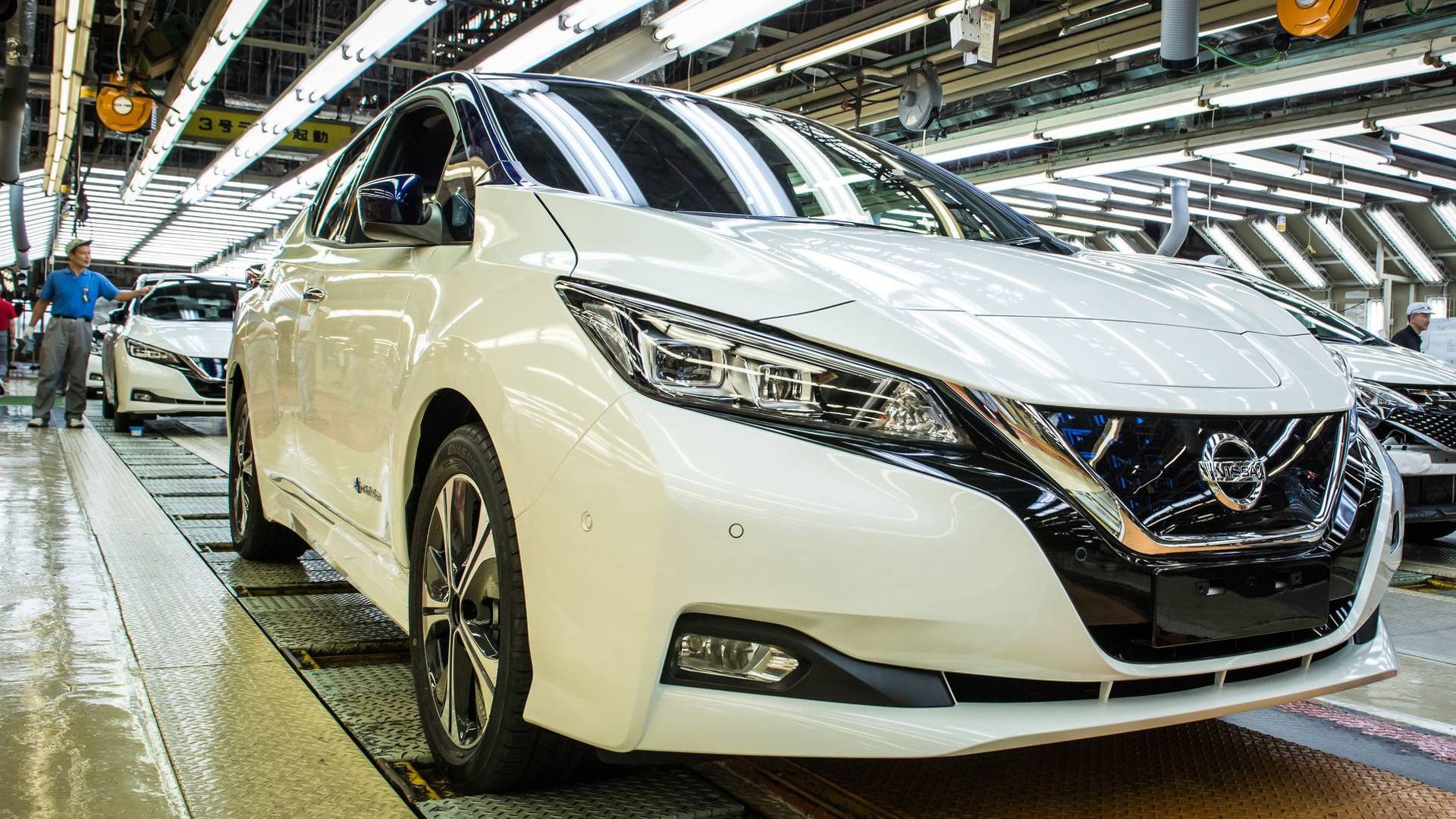
According to the President of Nissan in Brazil, Airton Cousseau, the ethanol cell tests will be concluded in 2025
Proud to be Brazilian and of the team he works with at Nissan, Cousseau gave an interview to Estadão, published by Tião Oliveira in the “mobility” category, about the promising ethanol cell project, which will be launched before 2030. In the interview, the president of Nissan states that the ethanol system does not generate CO2 and can be used in any vehicle.
See Also:
- To make them more accessible to the public, automakers Renault, Mitsubishi, and Nissan join forces for new electric car launches
- Billion-dollar contract signed between Embraer and Azorra for the purchase of 20 aircraft and the right to purchase 30 more
- Google offers 26 online and free courses in three areas. Check it out!
Nissan’s Performance
When asked about Nissan’s performance in 2021, Cousseau responded that it was a year of many challenges. Although Nissan did not stop due to Covid contamination cases, they had to halt operations in respect for health authorities and then for issues related to suppliers. “Besides the lack of semiconductors, we faced major challenges in logistics, which became chaotic. There were even cases of containers being unloaded in ports of another country,” he says. On the other hand, there are also reasons to be cheerful: in December, the Kicks SUV was the best-selling vehicle in Argentina, and the Leaf was the best-selling electric model in Brazil, representing enormous growth. “Therefore, I can say that 2021 was an extremely positive year for Nissan,” Cousseau concludes.
Questions About Electric Cars
Consumers still have questions regarding how electric models work, such as how to charge them, for example. Clarifying this, the president of Nissan says: “It’s as easy as charging your cellphone. At night, you come home and plug it in. If you drive 70, 80 kilometers a day, it’s very straightforward.” In addition, he states that the charging network is growing, with promising plans from Raízen and Shell.
-
Uber Faces Shareholder Scrutiny as Board Accused of Ignoring Safety, Compliance, and Harassment Warnings Amid Over 3,500 U.S. Lawsuits

-
Ferrari’s First Electric Car Divides Fans, Priced at $630,000, Amid Concerns Over Limited Editions; Brand Clarifies It’s Not Just for Future Perks
-
BYD Dolphin Mini: The Electric Car That Defies Depreciation, Losing Only 3.58% in a Year and Becoming the Best-Selling Retail Model Under $22,000

-
Electric Car JAC E-JS4 Loses $19,000 in Value in One Year, Leading Record Depreciation of Used Cars in Brazil Due to Expensive Battery and New Models


Electricity from Ethanol, a Biofuel
According to the president of Nissan, the ethanol technology is doing well. “You can already drive almost 800 km using electricity with a tank of ethanol. Ethanol has a huge capacity to generate energy in the fuel cell. And this energy powers the electric motor. So, there won’t be a need to plug the vehicle in. For the consumer, it will just be necessary to stop at the gas station and fill the tank with ethanol,” he explains. The ethanol system will be applied this year in Japan and will reach the consumer market before 2030, being usable in any type of vehicle that uses an engine, such as airplanes and ships. Although the desire is to expedite the launch process, the need to respect development plans is understood, even though all obstacles already have solutions. Furthermore, in less than 3 years, the tests will be completed to give way to the marketing phase. In conclusion, Cousseau says: “When I heard about this project and that it was Brazilian engineers who developed it, I felt even more proud of our people and our country. I am very excited because this is not a business for Nissan. It is for Brazil and for the world.”
Development of New Technologies
According to Cousseau, infrastructure is everything. “In China, for example, things happen very quickly and profoundly. When I arrived in the country, the city’s subway was already spectacular, and payment was made with a little card, like in New York (USA). The following year, you could already pay with your cellphone. The next year, facial recognition was possible.” Unlike China, which develops rapidly, for Brazil to advance, it’s necessary to invest in infrastructure. For example, in agribusiness, there are sophisticated machines, but they cannot be used due to the lack of internet in the countryside.





Be the first to react!