Portuguese
  Spanish


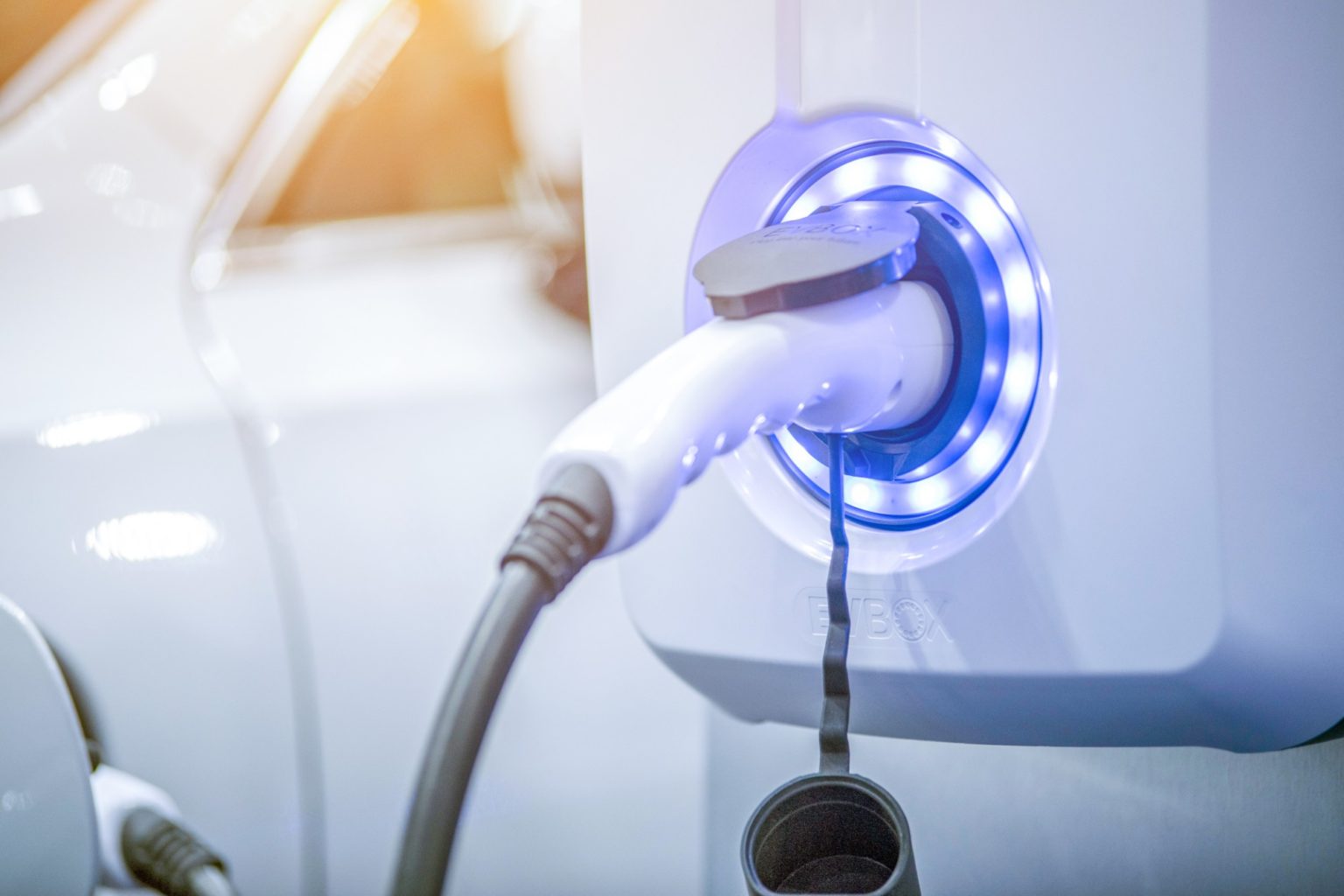

Automakers Aim to Increase Access to Electric Cars Through New Launches
Vehicle manufacturers Renault, Mitsubishi, and Nissan are joining forces to form an alliance aimed at jointly developing new electric cars to make them more accessible to the public. The intention of the automakers was revealed by Reuters on Monday, January 24, after hearing sources connected to the matter.
Read Also:
- Constellation Signs Contract with Petrobras for the Amaralina Star, Gold Star, and Lone Star
- Offshore Storekeeper, Platform Assistant, Platform Worker, Driller, Technician, and More – Various Onshore and Offshore Job Openings Available at Perbras for Macaé and Other Locations
- University in Spain Opens 128 Slots in Free Undergraduate and Graduate Courses for Brazilians
The three automakers, renowned in the automotive sector, will triple their investments to produce electric cars, as demand and competition in the market continue to grow. To this end, Renault, Mitsubishi, and Nissan intend to jointly invest at least US$ 23 billion – approximately R$ 126 billion at the current exchange rate – over the next five years.
The automakers have named their union “Alliance for 2030” and are set to officially formalize it on Thursday, January 27, also providing more information. According to Reuters, the planning addresses “enhanced cooperation” among the automakers, as well as a “shared vision of electrification and connected mobility.” The alliance of the three companies has developed and partially implemented four electric vehicle platforms.
-
1983 Chevrolet Runs Over 100,000 km Without Gasoline, Powered by Wood Chips, Reaches 125 km/h in Airport Test

-
Workshop Converts Giant Tractor Tire Tricycle into a Three-Wheel Drive Hybrid with 36,000-Watt Electric Motor Capable of Climbing Hills

-
Chery Offers Lifetime Battery Warranty and Car Replacement for Major Failures Under New Chinese Regulations
-
Sales of Brazil’s Cheapest Electric Car Halted Before First Deliveries: E-Motors Suspends Emova Easy Due to Import Tax Increase and Rising Freight Costs




In addition to the points already mentioned, the merger also foresees the shared use of new solid-state lithium-ion batteries, for which Nissan is responsible for research and development. This new battery technology, which is cobalt-free, allows for a 65% reduction in production costs of the component, a crucial fact for making electric cars more affordable.
30 New Models Over the Next 8 Years
Starting with the “Alliance for 2030,” the expectation is that at least 30 new electric car models will be launched in the market by 2030, according to sources from the publication. The cars will utilize five common platforms, four of which are already partially developed and implemented, while the fifth is expected to be launched around mid-2025.
Of the mentioned platforms, one is designated for more affordable cars and another for electric SUVs. The other two, however, are intended for tiny cars (kei cars) and light commercial vehicles. The fifth platform, still being developed by the professionals responsible for the sector at Renault, will focus on compact models.
Nissan had already opted to use this platform, called CMFB-EV, along with other standardized components, to make the electric compact car Nissan Micra. In addition, Renault is expected to produce a similar electric car based on this same platform, according to sources. The Micra EV is expected to launch later this decade.