






 Portuguese
  Spanish


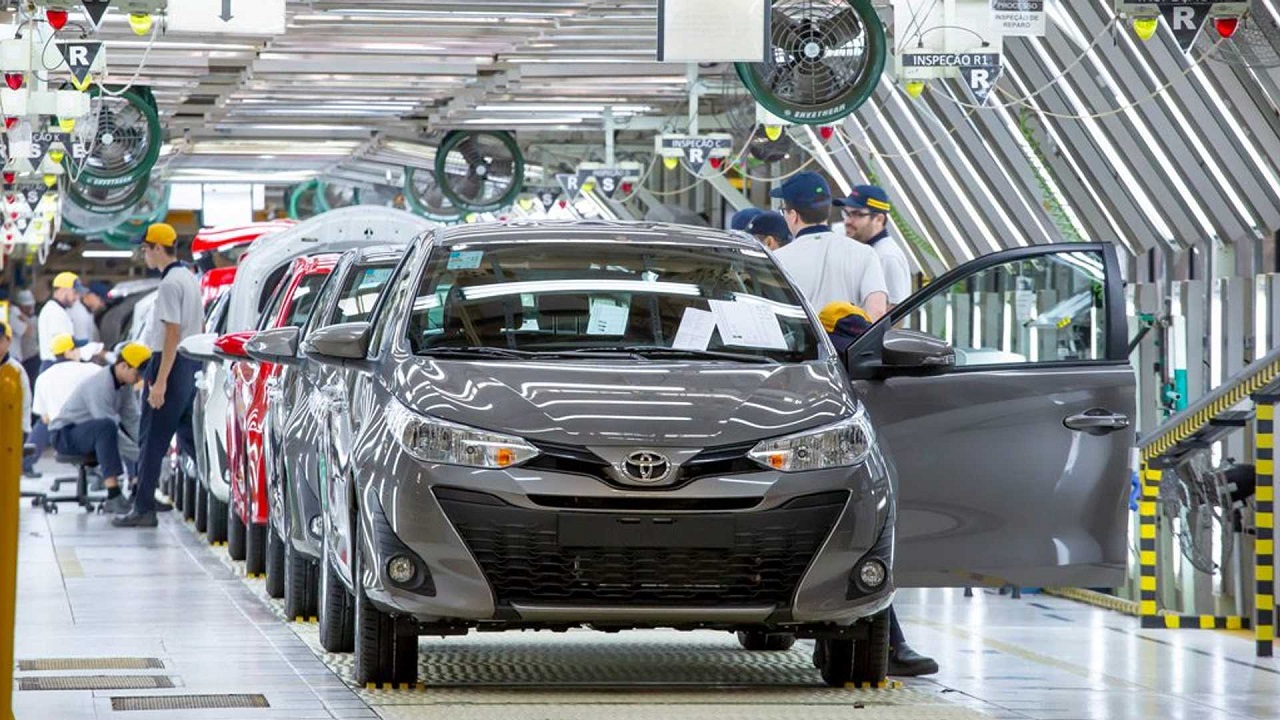
Toyota Promotes Sustainability As It Can, Whether in Its Electric, Hybrid Cars or Even in Its Factories. The Manufacturer Unit in SP Uses Wind Energy As an Energy Source to Produce 170 Thousand Engines Per Year
Toyota do Brasil celebrated on Tuesday (10) the 5th anniversary of the Porto Feliz (SP) factory, highlighting how the factory is a global reference in terms of sustainability within the group. Being the only Toyota plant in Latin America and the Caribbean that produces engines for automobiles, the Porto Feliz factory is considered the cleanest in the world.
Also Read
SP Factory Reduces CO2 Emissions by Up to 30%
The unit follows the same Ecofactory concept used at the Sorocaba (SP) unit. The principle is based on reducing all pollutant waste generated each year, such as volatile organic compounds (VOCs) and CO2 emissions.
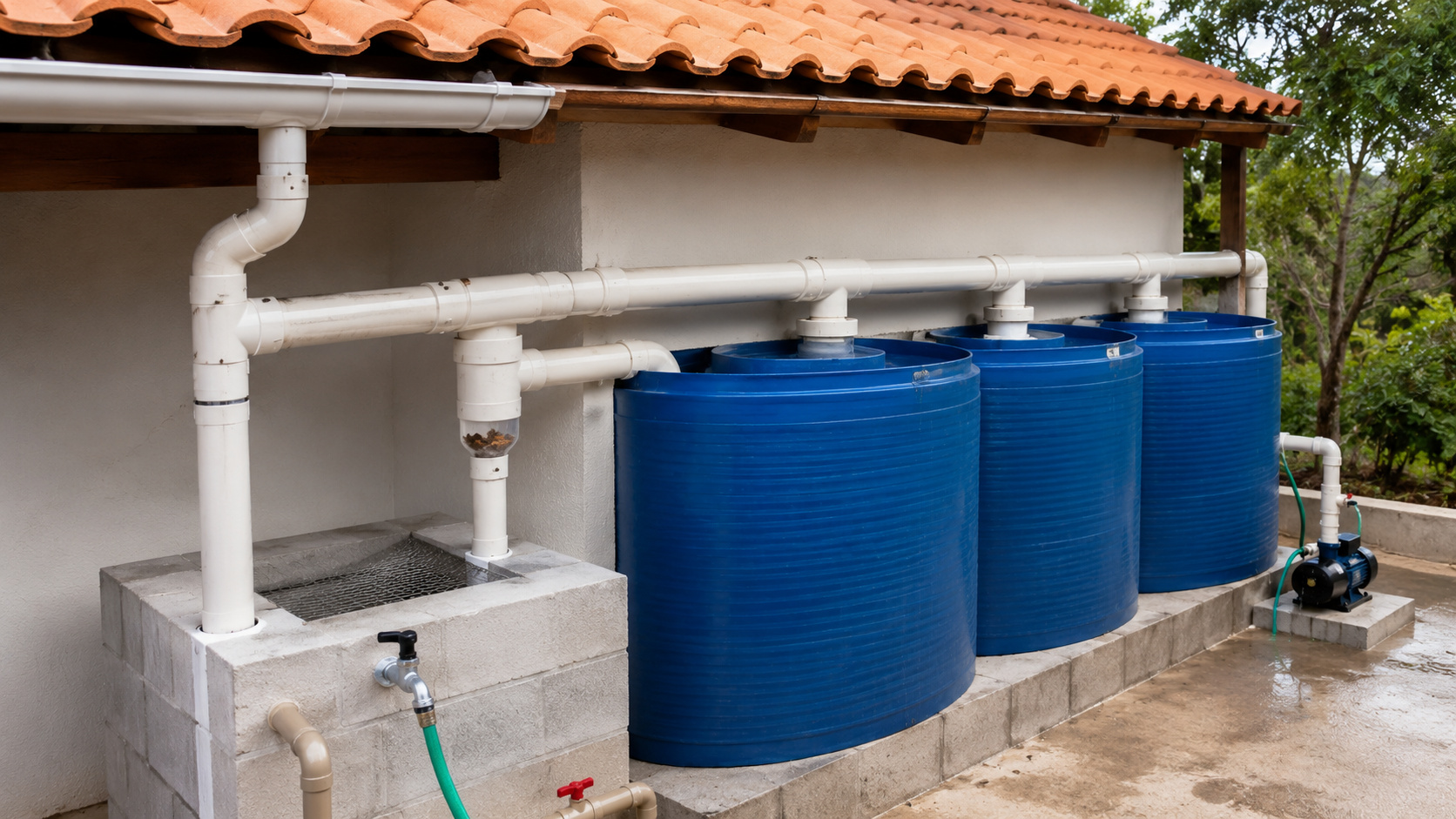
Moreover, the concept also emphasizes the reuse of rainwater and the preservation of native forest areas. Since its construction, the Toyota factory in SP has implemented around 20 environmental initiatives, which included a 56% reduction in waste, a 42% reduction in water usage in the production process, and a 32% reduction in CO2 emissions according to the manufacturer.
-
Toyota Launches First 100% Electric Car in Brazil: bZ4X with 343 HP, All-Wheel Drive, 361 km Range, Priced at $419,990 BRL, Limited to 99 Units

-
Chinese SUV Achieves 24.4 km/l, Outperforms Toyota Yaris Cross in Real-World Tests with 224 hp Hybrid System, Offers 51-Liter Tank for Greater Range, and Costs Up to R$ 5,000 Less.

-
Uber Black Revamps Fleet, Drops Ten Car Models and Sets Deadline for Electric BYD Dolphin
-
Chinese Giant Uses Metal Structures and Cranes to Deliver Over 700 Electric Cars to Brazil


Sustainability Projects at the Brazilian Factory Stand Out
The main projects carried out at the factory included replacing organic foundry sand with inorganic sand, which is much less impactful to the environment, along with the introduction of a compact production system and the use of solar energy for outdoor lighting. Additionally, rainwater has been utilized in restrooms. Currently, the factory in SP sources 100% of its electricity from a renewable source with zero CO2 emissions, which is wind energy.
The company also seeks and maps opportunities for conservation and improvement in the efficiency of processes, reducing energy consumption on-site. According to Gilberto Paulino, general manager of the plant, Porto Feliz is an example of how the company is committed to sustainability, electric transition, and carbon neutrality, even with the expansion of its production activities.
With long-term plans, the company has added new projects to its portfolio, even amid the semiconductor crisis that has occurred over the past four years. The company is “armed” with high production technology and a very skilled team to handle the growth of Toyota’s portfolio in Brazil.
With an investment of R$ 580 million and an additional R$ 600 million expansion, the factory in SP has about 400 employees and produces engines for the Etios, Yaris, and Corolla Cross models, which are manufactured in Sorocaba (SP). The factory produces more than 170 thousand engines annually.
Toyota Promotes Sustainability Everywhere
Considering that Brazil is Lagging in Electric Cars, the company studies the theory that electric cars are not the best way to make the country sustainable, but rather hybrids. Brazil still lacks all the necessary infrastructure to accommodate electric vehicles, according to the company’s CEO.
“It can be said that in this regard the country is still taking small steps, therefore Toyota believes that investing in hybrids, which would use ethanol or diesel as fuel, would be a better choice since these fuels can be sustainable,” he highlighted.

Graduated in Journalism and Marketing, he is the author of over 20,000 articles that have reached millions of readers in Brazil and abroad. He has written for brands and media outlets such as 99, Natura, O Boticário, CPG – Click Petróleo e Gás, Agência Raccon, among others. A specialist in the Automotive Industry, Technology, Careers (employability and courses), Economy, and other topics. For contact and editorial suggestions: valdemarmedeiros4@gmail.com. We do not accept resumes!




Be the first to react!