






 Portuguese
  Spanish
  3 min of reading
  0 comments


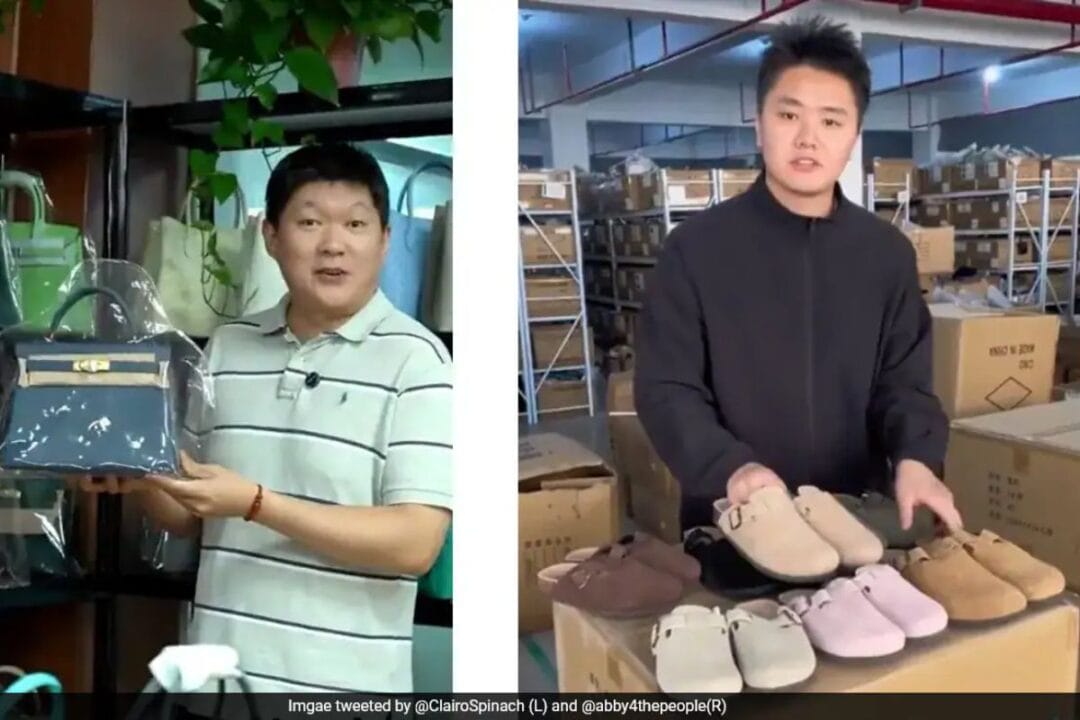
Viral Videos Show Luxury Item Costs; Chinese Manufacturer’s Strategy Seeks to Bypass Tariffs and Sell Without Western Intermediaries.
A wave of viral videos has taken over social media, especially TikTok. In them, Chinese manufacturers reveal the real production costs of luxury items and famous brands. Bags that cost tens of thousands of dollars would have a significantly lower manufacturing cost.
This transparency is part of a broader strategy: to sell directly to the Western consumer, often bypassing tariffs and high prices imposed by intermediaries and brands.
The Strategy of the Chinese Manufacturer: Bypassing Tariffs and Brands
The escalation of the trade war between the U.S. and China, marked by tariffs (initially imposed by Donald Trump and retaliated by China), has led the Chinese manufacturer to innovate. Instead of just supplying products to Western brands, many have started targeting the end consumer.
-
The urgent need to implement a severe cut in public spending and a massive increase in taxes, in addition to drastically compromising the quality of basic services and the purchasing power of the population, could result in social unrest in the country, with the population leading protests, strikes, and frequent disturbances.

-
FIRJAN’s mega plan of R$ 526.3 billion for Rio de Janeiro aims to revive Brazil’s largest industry, with two-thirds of the investments going to oil and gas.

-
China signals an increase in beef imports, Brazil has already consumed 70% of the 1.106 million ton quota and seeks to renegotiate the tariff that jumps from 12% to 55%, while demand from the US also skyrockets.
-
Food inflation rose 302% in 20 years in Brazil, but the supermarket changed: purchasing power yielded 87% more mortadella and 31% less fruit, and ultra-processed foods took over the cart.




The goal is to bypass tariff barriers and capture a larger profit margin, or offer much more competitive prices by eliminating the intermediary (the Western brand). This approach directly challenges the traditional business model of many luxury brands.
Costs Revealed: How Much Is the Logo Really Worth?
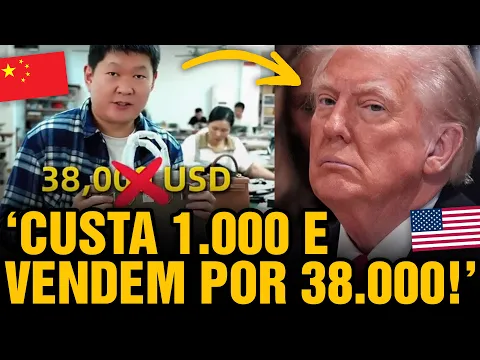

The videos aim to demystify the value added by brands. Impactful examples circulate online:
‘Birkin’ Bag: One video details the production cost of a Hermès Birkin-style bag, often sold for around US$ 38,000 (~R$ 190,000*). According to the Chinese manufacturer in the video, the total production cost – including high-quality leather (Italy/France), metal parts, zipper, and specialized labor – would be around US$ 1,400 (~R$ 7,000*). The claim is that up to 90% of the price paid by the consumer would be just for the brand’s logo.
‘Lululemon’ Leggings: Yoga leggings, similar to those sold by Lululemon for about US$ 100 (~R$ 500*), would have a production cost estimated by the Chinese manufacturer between US$ 5 and US$ 10 (~R$ 25 to R$ 50*). Similar products are offered directly for prices close to this cost.
Quality: The videos often emphasize the use of high-quality materials and skilled labor, countering the perception that Chinese products are inferior.
Direct Sales and the Challenge to Trade Policies
To reach the end consumer, especially in the U.S. and Europe, the Chinese manufacturer uses e-commerce platforms (like Taobao and potentially global apps like Temu or Shein) and messaging apps (WeChat, WhatsApp).
Many offer incentives such as covering import taxes and free shipping. A common tactic is to take advantage of tax exemptions for shipments below US$ 800 in the U.S. (de minimis value), allowing products to arrive without additional tariffs to the consumer. This direct sale represents a significant challenge to tariff policies and the traditional retail model.
Trade War and the Discourse Behind the Videos
This tactic by the Chinese manufacturer fits into a larger context of trade tensions. American tariffs on Chinese products have reached 145% in some cases, while China retaliated with tariffs of up to 125% on U.S. products.
Some videos adopt a strongly critical tone, accusing Western brands and policies of hypocrisy, exploitation of cheap labor, and harming the end consumer with exorbitant profit margins. They argue that while China has reinvested profits in infrastructure and the population, the profits of Western brands have not had the same social destination. This narrative seeks popular support and legitimizes direct sales as a fairer alternative.






Be the first to react!