






 Portuguese
  Spanish


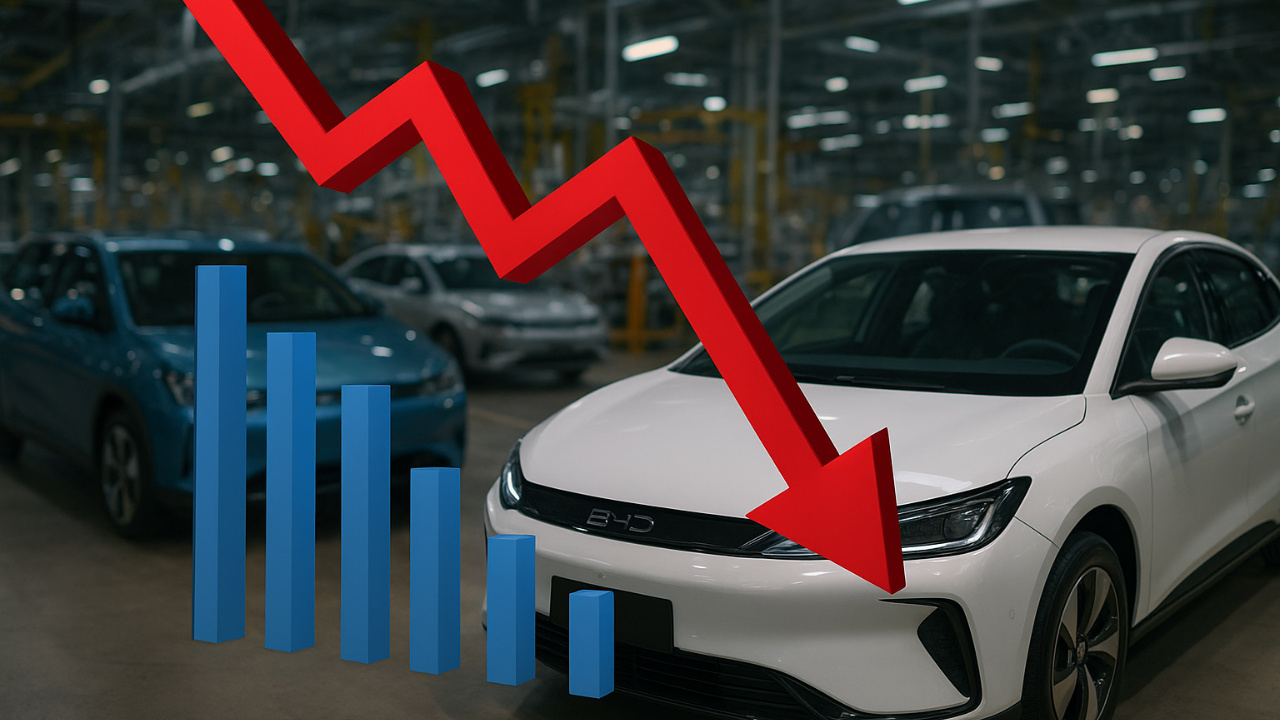


BYD Predicts That Up to 100 Automakers May Go Bankrupt in China Due to the End of the Price War. Understand the Impacts on the Global Sector and Reflections in Brazil, Where Chinese Electric Cars Already Dominate the Market.
The giant BYD, one of the world leaders in electric mobility, has issued a strong warning about the future of the sector in China. According to the company, up to 100 electric vehicle manufacturers may cease their activities in the coming months.
The risk is a direct consequence of the end of the so-called “price war,” dictated by the Chinese government, which forced companies to rethink their business models and reduce costs aggressively.
As a result, smaller manufacturers that lack financial strength or technological advancement are struggling to remain competitive. The outlook is that many will not survive the new phase of the market, leading to an inevitable consolidation process.
-
Chinese Giant Invests $1.3 Billion in Brazil to Produce 50,000 Cars Annually, Create Jobs, Develop Local Suppliers, and Manufacture Electric, Hybrid, and Combustion Models by 2027

-
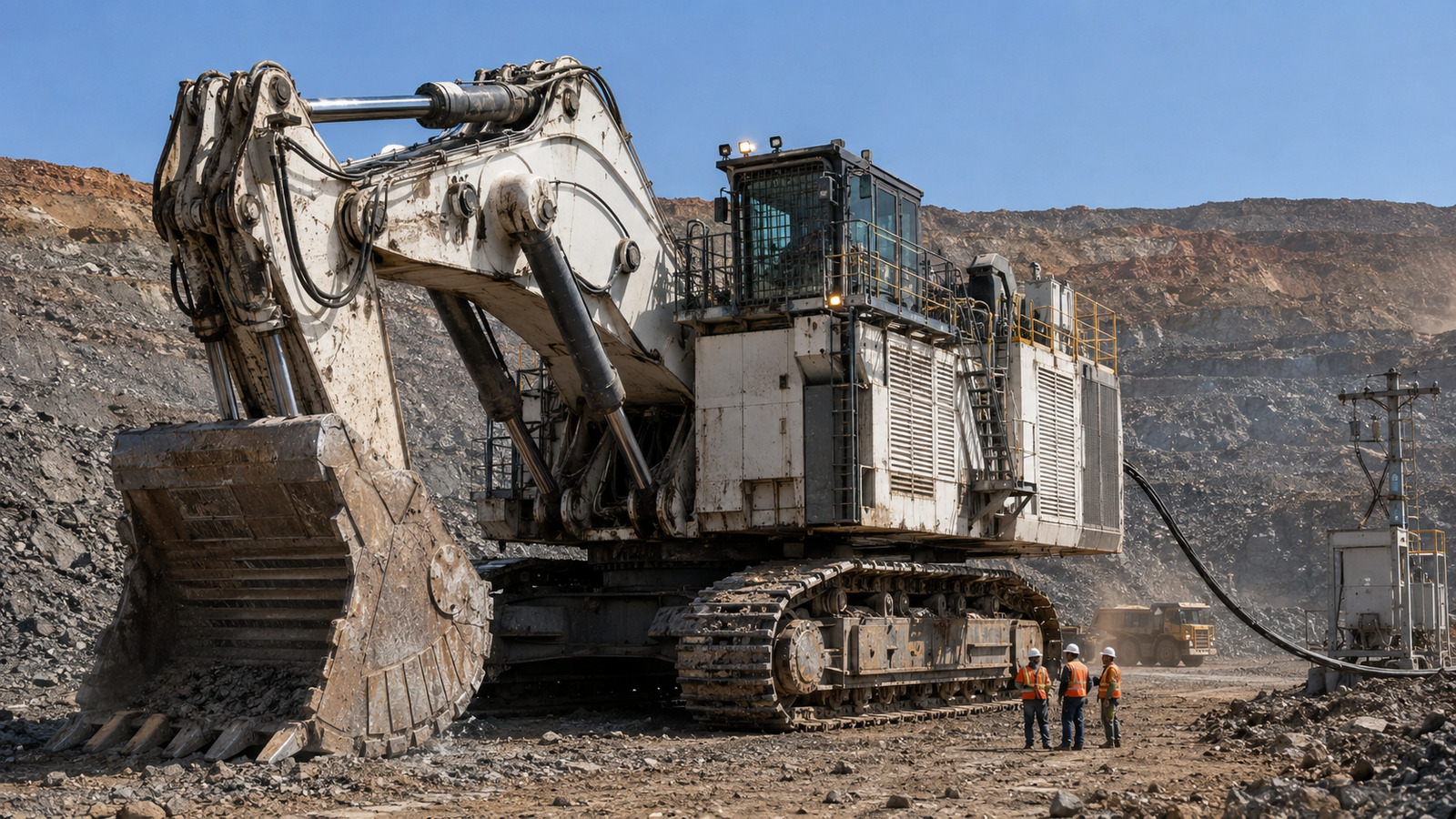
Unprecedented achievement in India: a colossal 650-ton, nearly 3,000 hp excavator is transformed into 100% electric, marking a new phase in heavy mining.
-
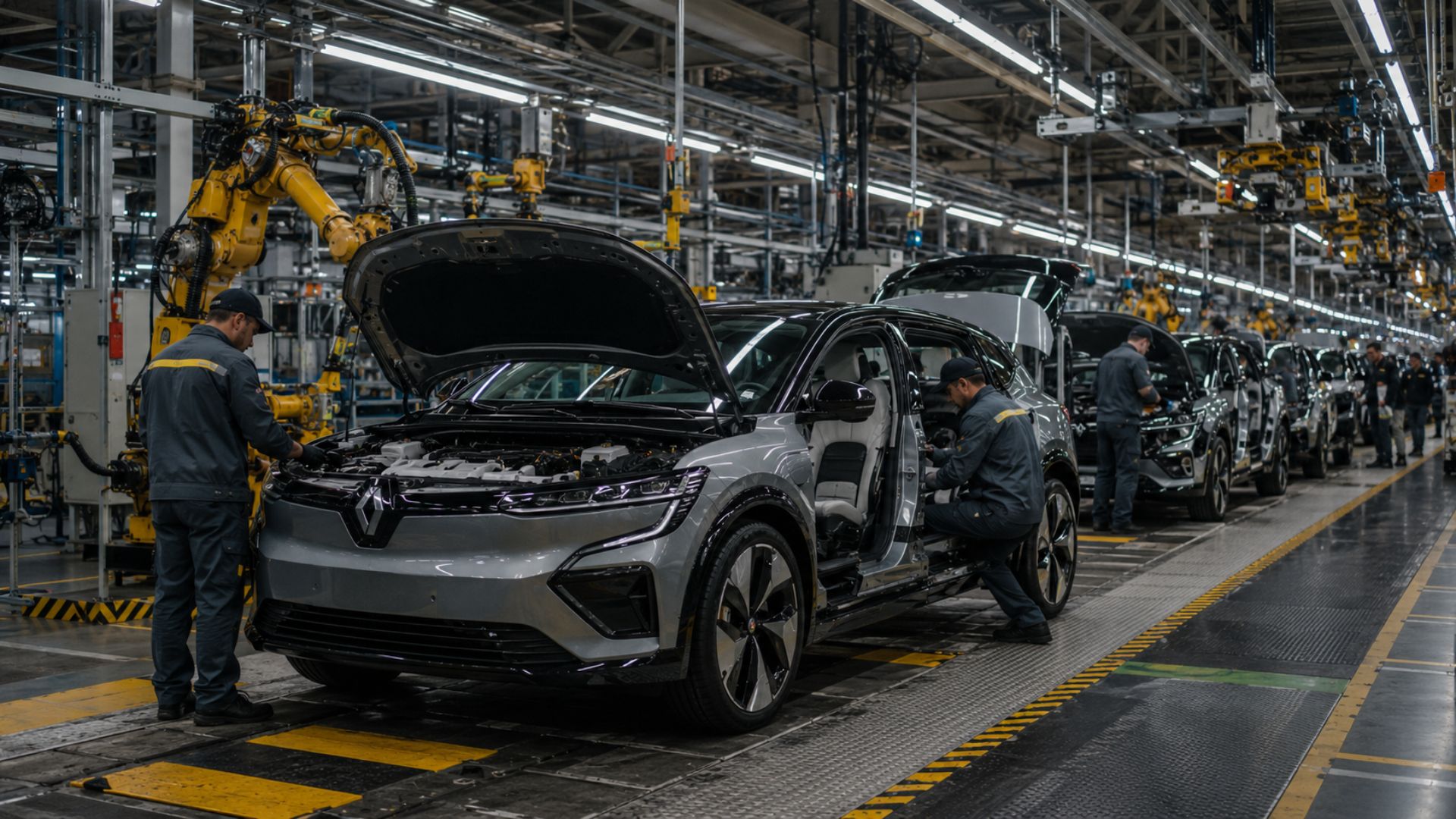
Frightened by the speed of Chinese manufacturers, Renault decided to mimic the pace, made the new electric Twingo in just 21 months, wants to repeat the feat with 36 models by 2030, and along the way, will cut up to 2,400 engineering positions.

-
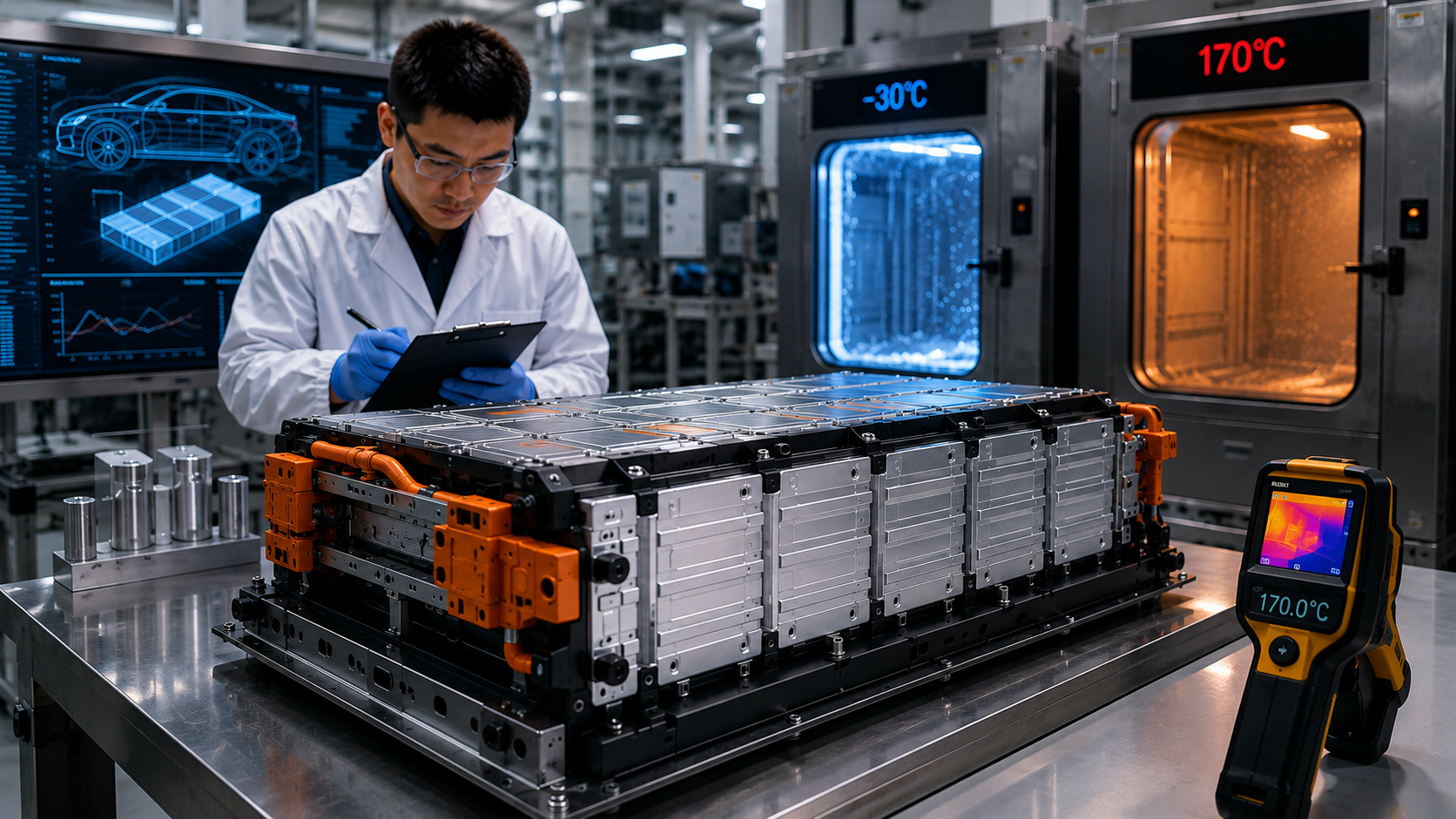
Chinese battery from Dongfeng promises to exceed 1,000 km without relying on liquid electrolyte, and the detail behind the technology could change the electric car competition.

Inevitable Consolidation of the Sector
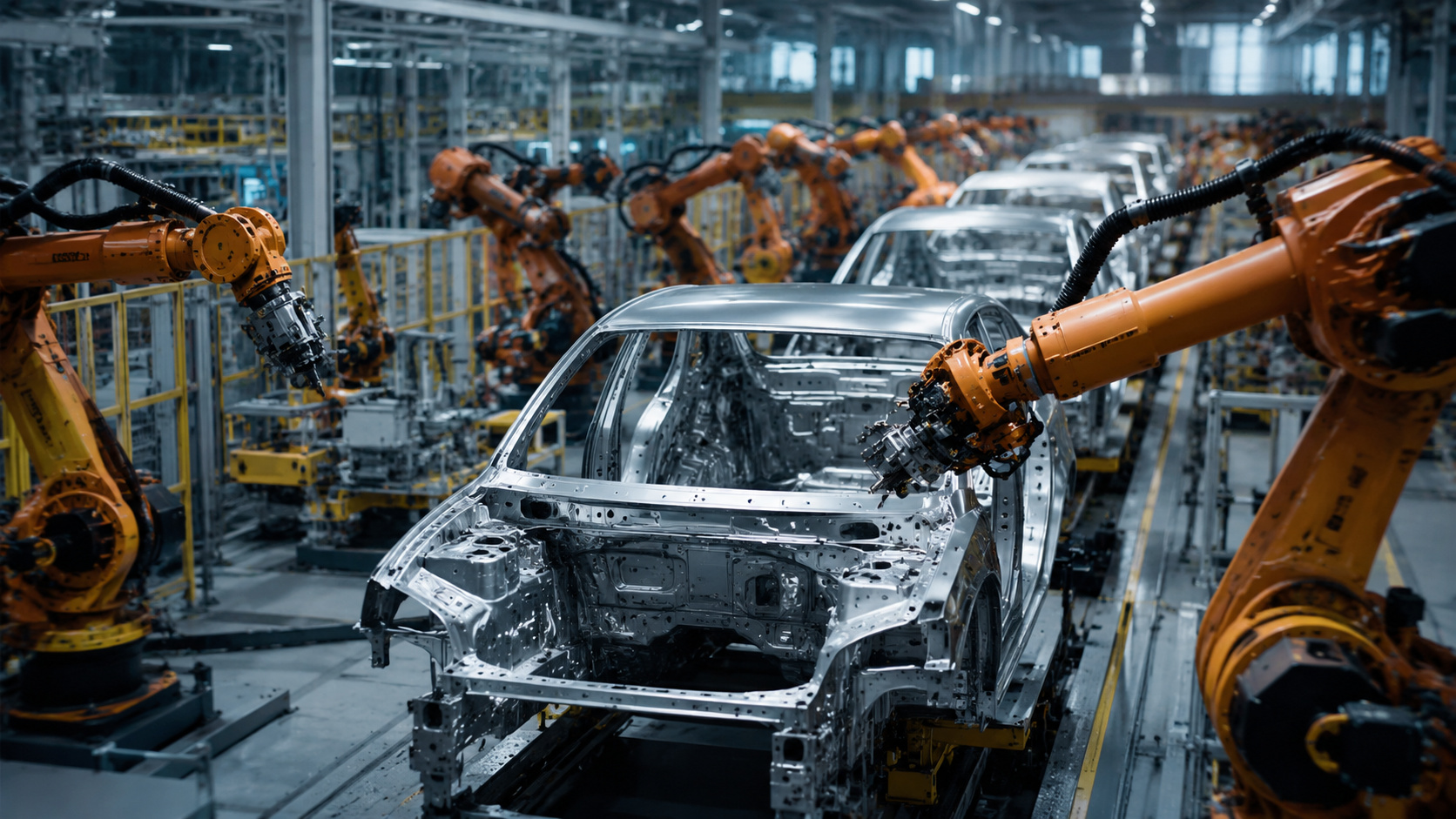
BYD emphasizes that this moment of turbulence may accelerate profound transformations in the Chinese automotive industry. The demand for more technology at a lower cost challenges traditional automakers and startups. In practice, only the most innovative and well-structured companies will be able to survive, while others are expected to exit the stage.
This scenario has already been observed in other strategic segments in China, such as the real estate and solar sectors, which underwent phases of rapid growth followed by crises and mass bankruptcies. Now, the same movement is repeating in the electric vehicle industry.
Impacts Beyond Chinese Borders
While the United States and the European Union seek to limit the entry of Chinese electric cars through tariff barriers and trade restrictions, Brazil is taking the opposite path. By 2025, approximately 92% of electric vehicles sold in the country will be of Chinese origin, reinforcing the Brazilian market’s dependence on Asian automakers.
Experts point out that the crisis in China may, paradoxically, benefit Brazilian consumers. With the likely consolidation of the sector, the expectation is that more competitively priced models will reach the local market, expanding options for those seeking sustainable alternatives in urban transportation.



Quem da BYD fez este comentário?
Não adianta, a indústria do petróleo perdeu a guerra no quesito mobilidade.
Tenho assistido a CAOA fazer propaganda negativa dos elétricos e agora vem com o seu para o mercado Brasileiro.
Vocês ganham dinheiro para informar sem o mínimo de responsabilidade ou ética, pagou? É o que importa.
Pessoal aqui dessa publicação tem raiva de carro elétrico, não Sr Moura?