Portuguese
  Spanish


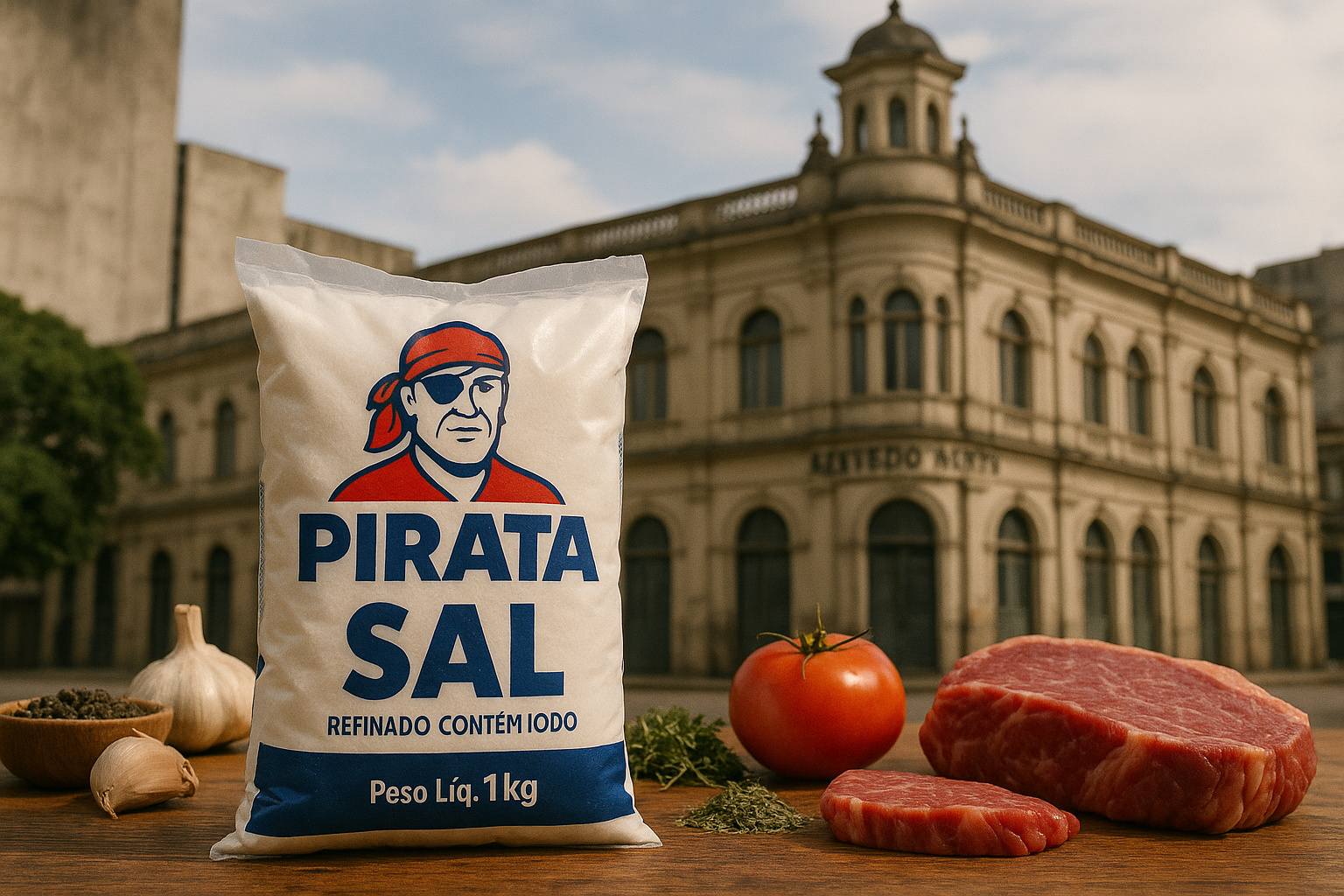


Company Founded in 1855 Ends Operations After Logistical Crisis Aggravated by the Flood in Porto Alegre, Which Made Cargo Transport Infeasible and Marked the End of the Traditional Pirate Brand in the Salt Sector
Azevedo Bento, considered the oldest operating company in Rio Grande do Sul, officially announced the end of its activities in 2025. Founded in 1855, the company could not withstand the logistical challenges caused by the flood in 2024, which compromised the waterway in Porto Alegre and raised transportation costs to unsustainable levels. The closure ends nearly two centuries of operation in the food sector.
The crisis was triggered by the reduction of the draft in the navigation channel, which limited the cargo of bulk ships and made it impossible to continue operations. The company’s headquarters, located in the 4th District of Porto Alegre, was also severely affected by the waters, becoming completely flooded.
The impact was immediate and definitive. The company, nationally known for the Pirate brand, declared that it no longer had the technical and financial conditions to maintain salt production, even after attempts at adaptation and restructuring.
-
Abandoned Building in Brazil to Become Biotechnology Unit with $10 Million Investment, Bridging Science, Industry, and Public Health

-
Company Offering “Stones to Diamonds” Scheme Sells Ruined Italian Homes to Brazilians for 1 Euro, Disappears with Promised Renovations, Leaving Buyers in Debt to Italian Tax Authorities Until 2028 Without Property

-
Plastic Packaging Drives Santa Catarina Industry to 230% Growth, Aiming for R$ 500 Million by 2030 Amid Sector Crisis, with New Gearless Line Expanding in Southern Brazil to Compete in South America

-
Flamengo Star Invests in Brazilian Coastal Luxury Real Estate as Itapema Surpasses Balneário Camboriú in High-End Market Growth


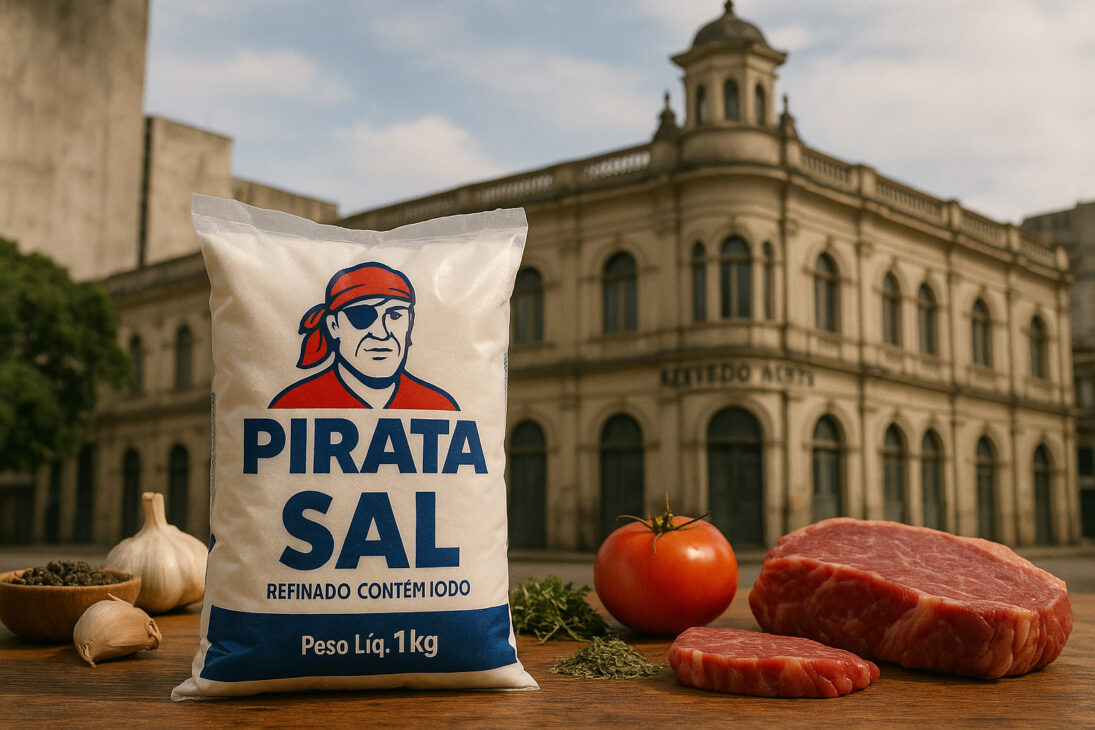
Trajectory Since the Imperial Period
The history of Azevedo Bento dates back to the 19th century, when merchant João Batista Ferreira de Azevedo opened a warehouse in downtown Porto Alegre. The initiative quickly prospered, and over the decades, the company expanded its operations to import and export food, consolidating branches in strategic cities such as Rio Grande and Pelotas.
During the 20th century, the company diversified its operations. In addition to selling colonial products, it began to represent shipping companies, expanding its role in the logistics sector and establishing itself as a reference in Gaucho trade.
However, growth did not prevent the company from facing recent financial difficulties. In 2022, Azevedo Bento completed a judicial recovery process, trying to reorganize its finances and regain competitiveness in the market.
Judicial Recovery and New Management
After the troubled period, the company was acquired by Indústria de Sal Romani, from Paraná, which took over management with the aim of modernizing processes and expanding distribution. The expectation was that the union of forces would ensure the survival of the Pirate brand and strengthen the sector.
However, the adverse natural scenario compromised the strategies of the new administration. The historic flood of 2024 not only halted part of the production but also prolonged the interruption of transport via the waterway, essential for the outflow of salt.
According to information released by regional media outlets, emergency measures were insufficient to overcome the accumulated impact. The drop in revenue, coupled with rising logistical costs, led to the final decision to end operations.
Economic and Historical Impact in Rio Grande do Sul
The closure of Azevedo Bento represents more than the loss of a company. For Porto Alegre and for Rio Grande do Sul, it signifies the end of a trajectory that spanned the imperial period, the Old Republic, the New State, and contemporary Brazil.
The halt of the Pirate brand also symbolizes a blow to the local economy, already weakened by the effects of the flood. Workers, suppliers, and business partners were directly affected by the closure, in a scenario that highlights the vulnerability of the regional logistics infrastructure.
As reported by the newspaper Zero Hora, the prolonged flooding turned the episode into a watershed moment for various companies that depended on the waterway mode. Azevedo Bento, even being the oldest, was unable to withstand the pressure imposed by the climate disaster.
End of an Era
The story of Azevedo Bento, which began in a warehouse in the 19th century, concludes 170 years later under the force of a natural phenomenon that exposed structural weaknesses in the state’s transport and logistics system. The closure will be marked not only as the end of a traditional company but as a chapter in the economic and cultural memory of Rio Grande do Sul.
After the closure of the oldest company in the state due to the flood of 2024, are Porto Alegre and Rio Grande do Sul really prepared to face a similar tragedy in the future?