Portuguese
  Spanish


Who would have thought that the Fiat Argo, despite being criticized by mechanics, would remain a top seller? It appears at every corner, showcasing its modern design that catches the eye. But behind the attractive bodywork and praised internal finish, there is a technical detail that divides opinions and makes workshops raise the yellow flag: the engine. The contrast between the owners’ passion and the specialists’ caution shows how this car has become a curious phenomenon in the Brazilian market.
Fiat Argo Shines with Design but Faces Mechanical Doubts
The keyword here is trust, and at this point, the Fiat Argo shows its duality. On one hand, consumers praise the beauty, comfort, and sense of status the car offers. On the other hand, mechanics report technical limitations that could compromise the engine’s durability under more intense use.
This divergence is not new: in owner groups, many report satisfaction with the cost-benefit, especially in the entry-level versions, while workshops highlight problems such as high fuel consumption in certain conditions and performance below expectations on highways.
-
Honda and Nissan Form Alliance to Tackle Competition from Chinese Automakers After $9 Billion Loss

-
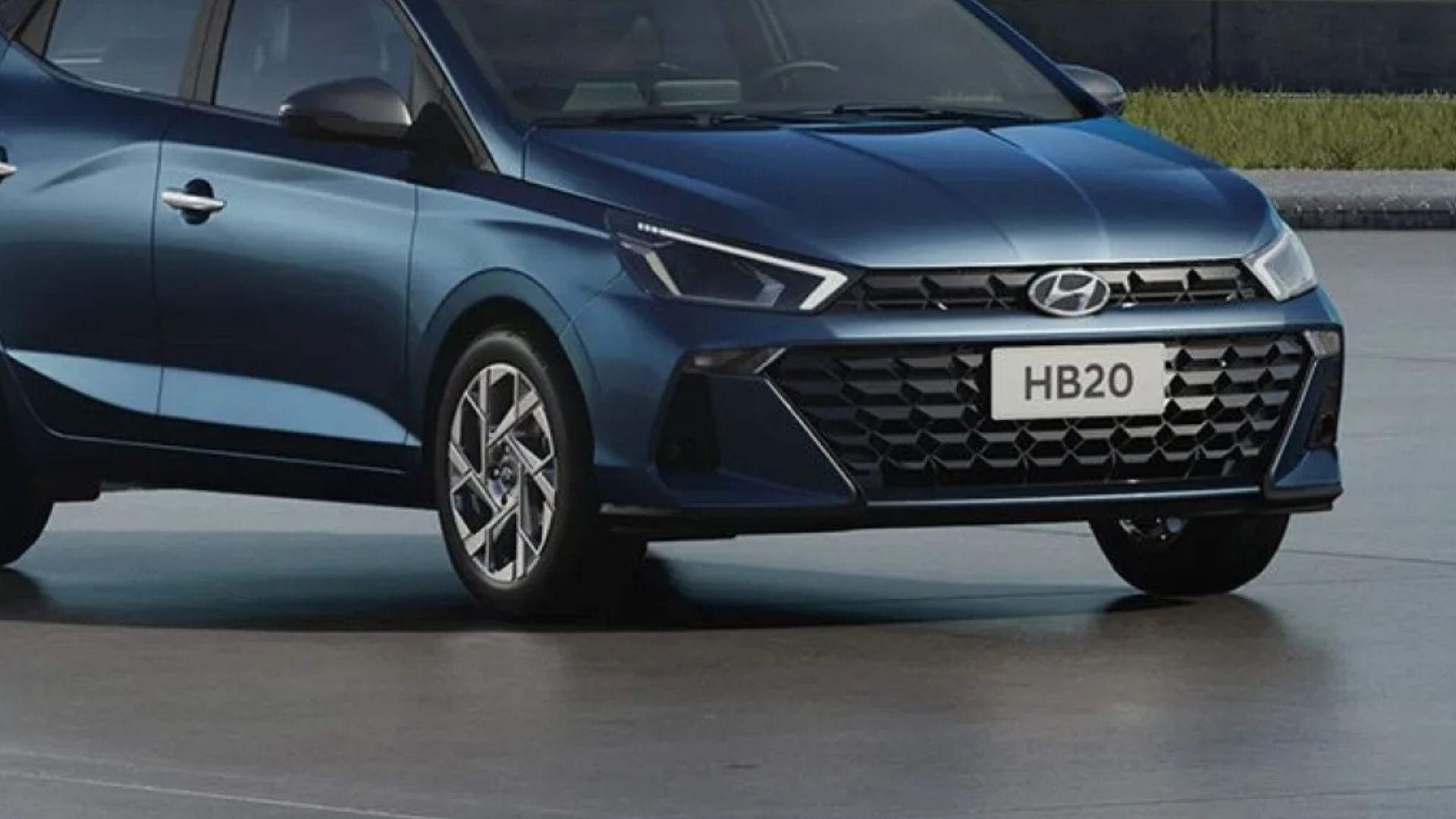
Hyundai Phases Out Powerful Engine in HB20, Reduces Turbo Version in Strategic Shift Affecting Creta and HB20S, Potentially Impacting Car Prices in Brazil.

-
Carflix Overcomes Setbacks to Achieve $250 Million in Used Car Sales with Backing from Mercado Livre and SMZTO, Aiming for 300 Locations and $650 Million Revenue

-
Brazil’s Cheapest Car Outperforms Onix, HB20, Polo, and More: Priced Under $15,000 with 1.0 Engine, 681 km Range, 75 HP, and Air Conditioning.



The Weight of Style in Purchase Decision
For those dreaming of a beautiful car, the Fiat Argo delivers exactly that. Aggressive lines at the front, modern tail lights, and an interior that conveys a sense of sophistication even in the simplest versions. This visual appeal has weighed so much that many buyers end up overlooking technical warnings.
A frequent example is found in the reports of young drivers, who prefer to invest in a car that makes a statement on the streets, even knowing that the engine may not be as praised as that of direct rivals like Onix or HB20.
What Owners Really Say About the Engine
Although workshops point out that the 1.3-liter engine lacks breath on climbs and overtakes, not all owners see this as a problem. For urban use, the Fiat Argo has been performing well. Additionally, scheduled services at dealerships are affordable and help reduce the feeling of risk.
Another point mentioned is that, in city routines, consumption is not as alarming as critics portray. Many drivers achieve acceptable averages, supporting the idea that negative fame may be linked to more demanding uses, such as frequent high-speed trips.
Workshops Highlight Where the Danger Lies
Mechanics, on the other hand, are emphatic: when subjected to long journeys on the road, the Fiat Argo tends to show its limitations. The engine needs to be more stretched, which increases wear and could impact oil consumption and the durability of components.
This weak point has already become a recurring topic in automotive channels and specialized forums. For those seeking long-term reliability, the warnings cannot be ignored.
In the end, what we see is a balance: on one side, a stylish, comfortable, and affordable car; on the other, an engine that requires extra care to avoid becoming a headache.