Portuguese
  Spanish


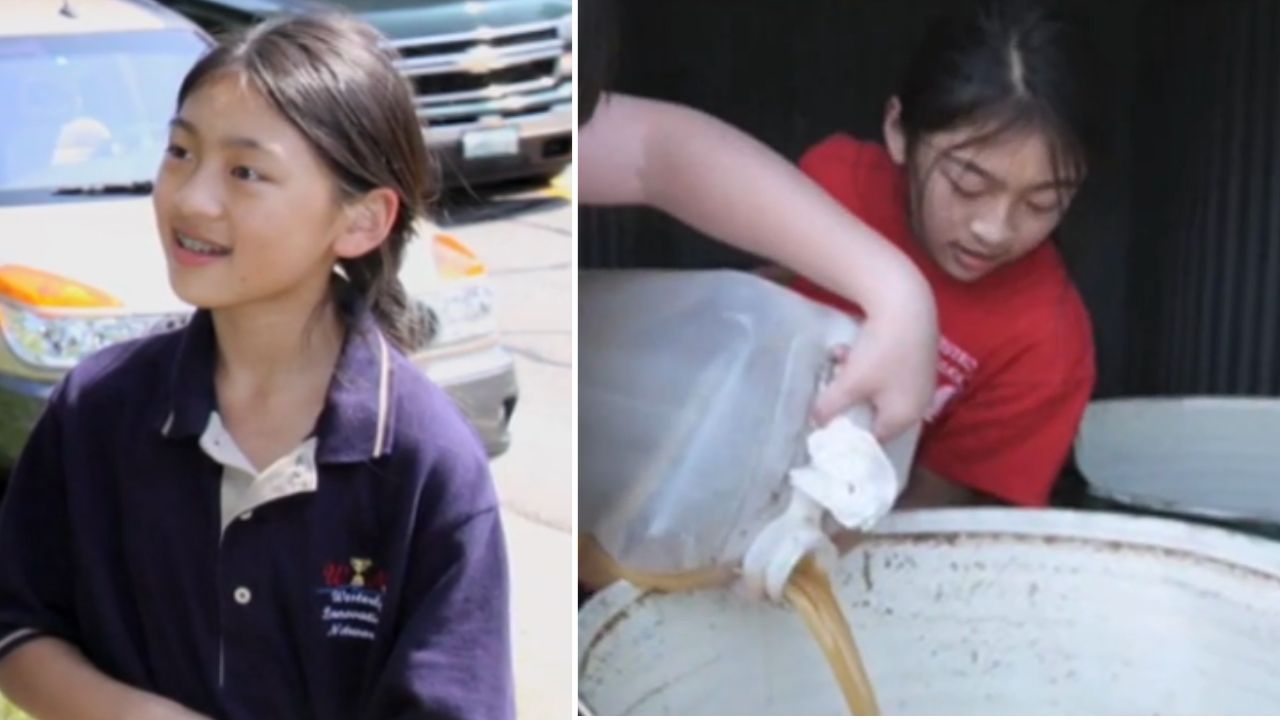

According to Brower Youth Awards, Cassandra Lin, a 5th-grade girl in Westerly, created TGIF in 2008 by connecting used cooking oil, biodiesel, and home heating, mobilizing restaurants, community institutions, and legislators until the approval of the Used Cooking Oil Recycling Act in Rhode Island, officially in effect since January 2012.
The 5th-grade girl Cassandra Lin created, in 2008, in Westerly, Rhode Island, the project Turn Grease Into Fuel, known as TGIF, to transform used cooking oil into biodiesel intended for heating homes of families served by community organizations.
The story is reported by the Brower Youth Awards and by an educational case study from Western Washington University. The sources inform that the project helped produce more than 160,000 gallons of biodiesel, reduced more than 2 million pounds of carbon dioxide emissions, and contributed to a state law on used oil recycling.
How discarded oil became a starting point
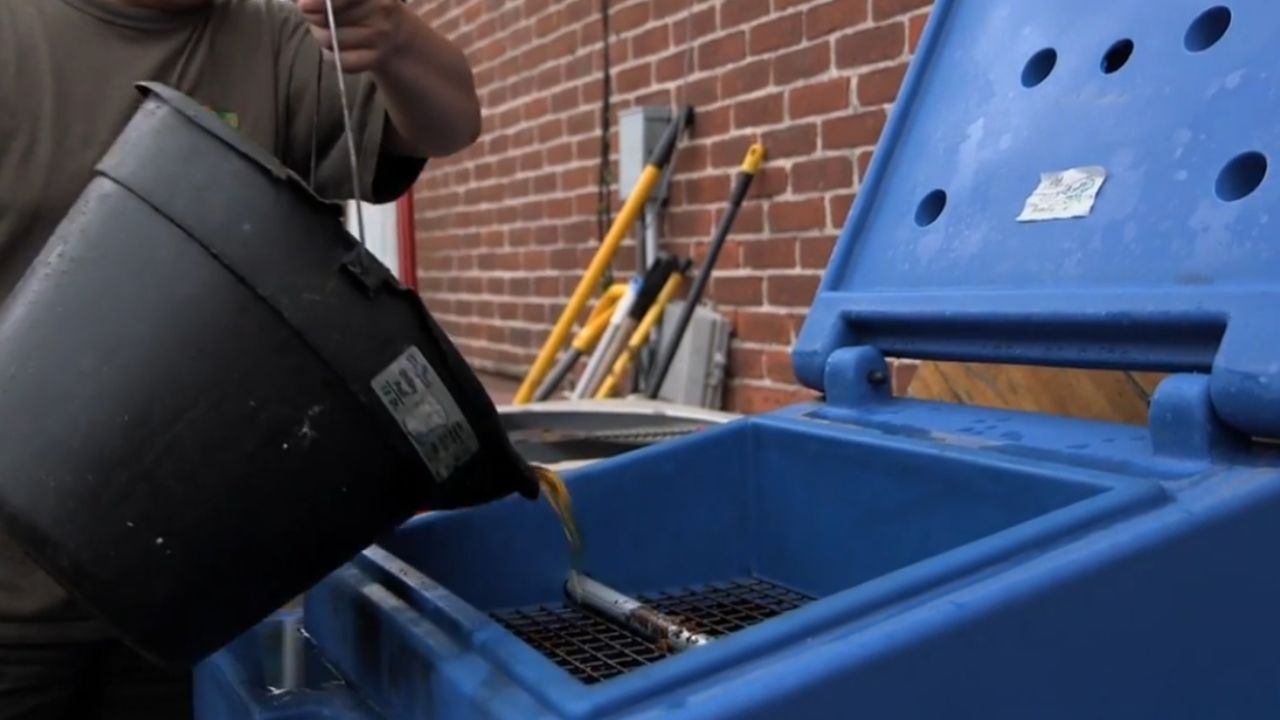
Cassandra Lin saw a practical connection between two local problems: restaurants discarded used cooking oil, while families in her community needed support to heat their homes in winter. The solution found was to organize the collection of this grease and direct it for conversion into biodiesel.
-
Started with $80 at 17 Selling Used Clothes, Now Aiming for $18 Million with a Network of 50 Thrift Stores

-
17-Year-Old Develops Free App to Prevent Hot Car Deaths, Launches National Campaign in the U.S.

-
Man Transforms Childhood Building in Detroit into Community Bookstore, Draws 400 to Opening

-
Two Brothers Leave City Life to Build Mud House in the Himalayas with Help from Over 100 Volunteers from 18 Countries, Including Brazil


Biodiesel, according to the case study, is a fuel produced from fat or vegetable oil, instead of petroleum. The proposal of the 5th-grade girl was not to create a technology distant from reality, but to connect existing waste to a concrete community need.
Project was born in Westerly with colleagues and local organizations
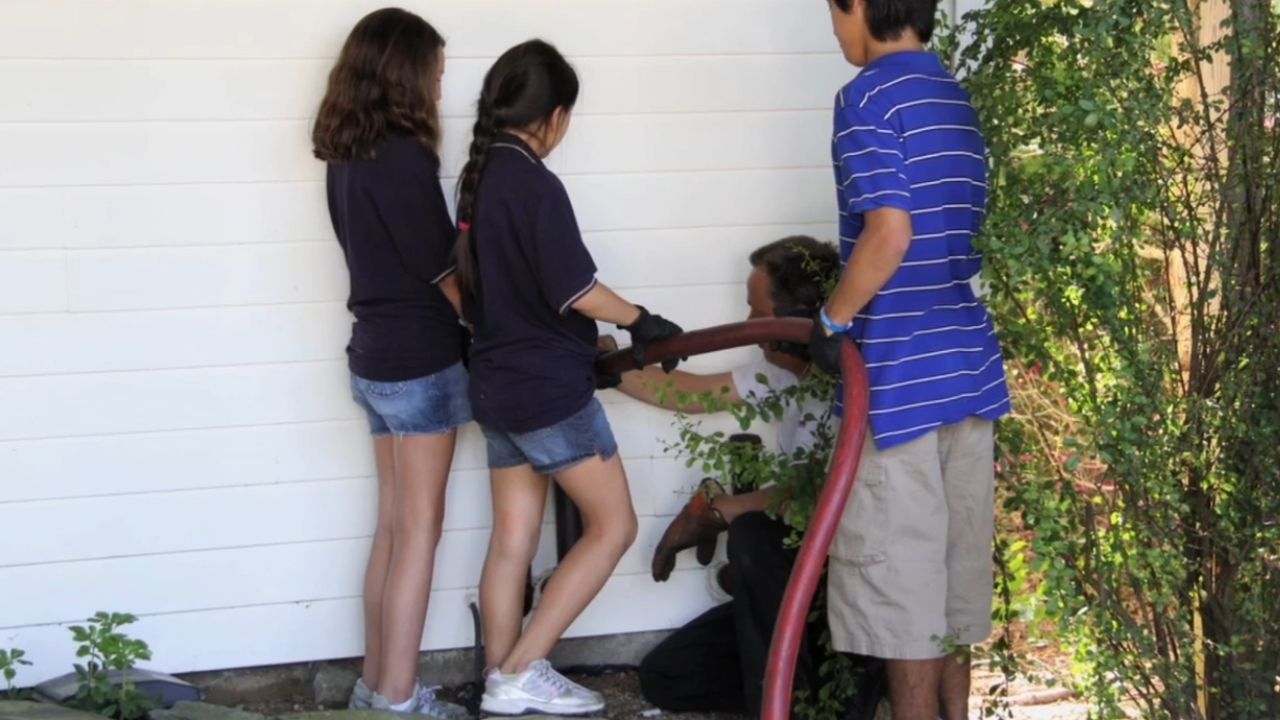
Cassandra began developing the idea with colleagues in Westerly, a city in Rhode Island. The group was part of the Westerly Innovations Network, formed by students involved in community service projects.
Before structuring TGIF, the students researched how biodiesel was produced, visited a water treatment plant, and learned about a refinery that transformed cooking oil into fuel. The research phase helped the group understand the complete path from restaurant, recycling, fuel, and families served.
Restaurants joined the used grease collection network
The project began working with local restaurants to collect cooking oil that would otherwise be discarded. According to the case study, some establishments were initially resistant due to the students’ young age, but participation grew over time.
In the phase described by the source, more than 150 restaurants were already providing used grease to Project T.G.I.F. The material also states that the initiative expanded collection to Rhode Island, Massachusetts, and Connecticut, broadening the reach of an idea that started on a local scale.
More than 160 thousand gallons of biodiesel and CO₂ reduction


The case study reports that Project T.G.I.F. helped produce more than 160 thousand gallons of biodiesel. The initiative also contributed to reducing more than 2 million pounds of carbon dioxide emissions, according to the Brower Youth Awards.
These numbers help explain why the project gained recognition. The 5th-grade girl started from a simple observation, but the structure created involved collection, recycling, partnerships with community entities, and the use of fuel in heating assistance programs.
From local collection to a law in Rhode Island
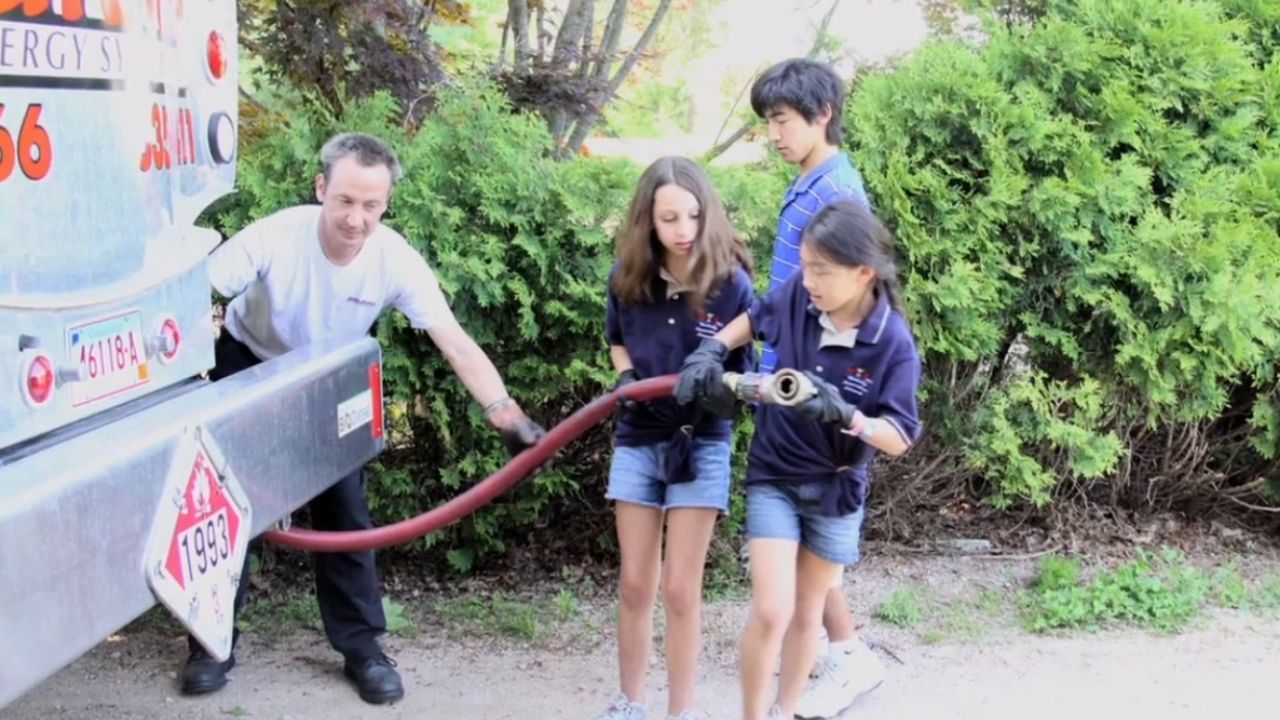
In 2011, Cassandra Lin and her team drafted a bill to require businesses in Rhode Island to recycle used cooking oil. The group worked with local legislators to advance the proposal.
The Used Cooking Oil Recycling Act was passed by state lawmakers in June 2011 and came into effect in January 2012. With this, the TGIF experience ceased to be just a student action and began to influence a state public policy on waste disposal and fat reuse.
Environmental solution also helped families in winter
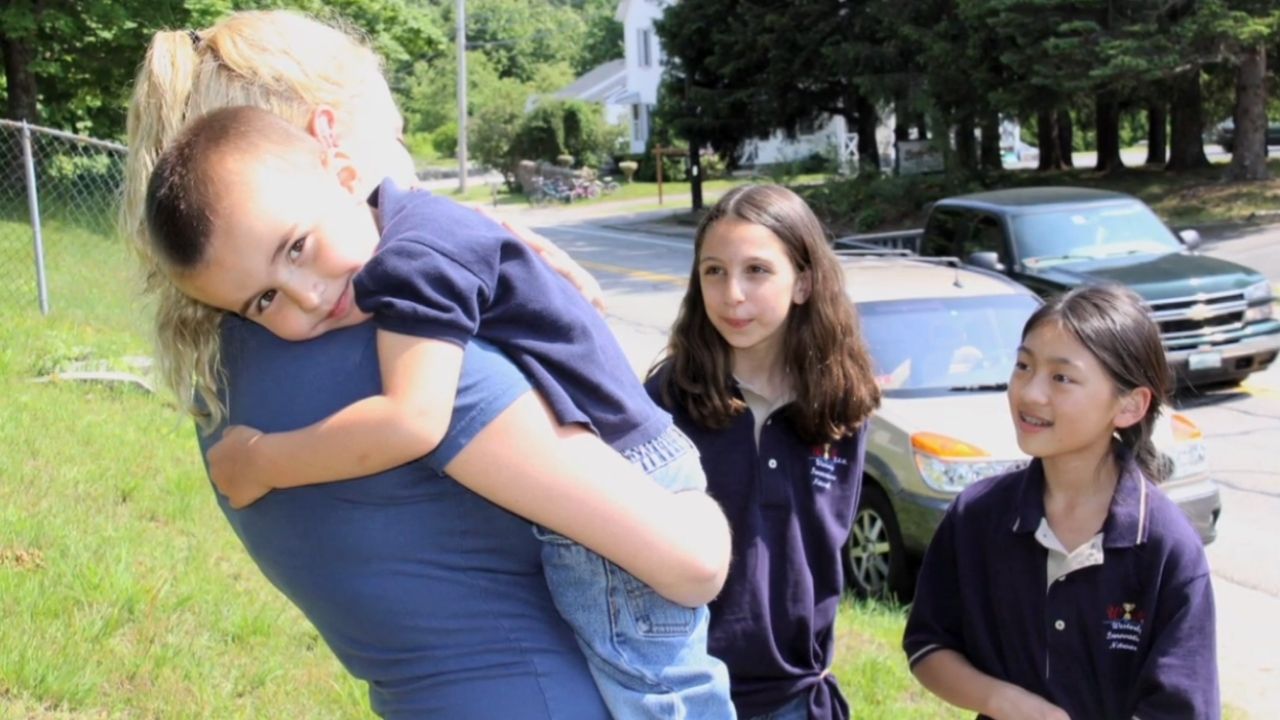
The project connected restaurants, students, community entities, and families needing heating assistance. Instead of treating used oil merely as waste, TGIF created a reuse chain with a defined destination.
According to the case study, the initiative managed to help heat the homes of nearly 100 families per year in the phase. The impact was precisely in the combination of less waste, less pollution, and support for a practical community need.
What the case of Cassandra Lin shows
The trajectory of TGIF shows how a school idea can gain scale when it finds organization, partners, and a clear public need. The 5th-grade girl did not solve an energy problem alone, but helped create a local system that linked disposal, recycling, and community assistance.
The case also opens a discussion for other cities: could Brazilian restaurants, schools, and city halls create similar networks to reuse used cooking oil in social and environmental projects? Do you think this type of initiative should become public policy in more places? Leave your opinion in the comments.