Portuguese
  Spanish


Sailee Raja, a 17-year-old teen from Cedar Park, Texas, created Project SafeRide and a free app to remind caregivers to check the back seat, in a campaign supported by schools, libraries, local governments, and public safety agencies, according to Youth Service America, on June 11, 2026.
The 17-year-old teen Sailee Raja, from Cedar Park, Texas, created a free app to remind caregivers to check the back seat after parking. The initiative is part of Project SafeRide, a campaign aimed at preventing heatstroke deaths inside vehicles.
According to Youth Service America, in a publication on June 11, 2026, Sailee is working against the so-called pediatric vehicular heatstroke, a problem that has already caused over 1,000 child deaths in the United States since 1998 and still records dozens of cases per year.
Free app targets a simple checking habit
The app created by Sailee Raja has a direct function: to encourage caregivers to check the back seat after parking. The proposal does not rely on expensive equipment installed in the car but on a reminder aimed at the routine of those who transport children.
-
Man Transforms Childhood Building in Detroit into Community Bookstore, Draws 400 to Opening

-
Two Brothers Leave City Life to Build Mud House in the Himalayas with Help from Over 100 Volunteers from 18 Countries, Including Brazil

-
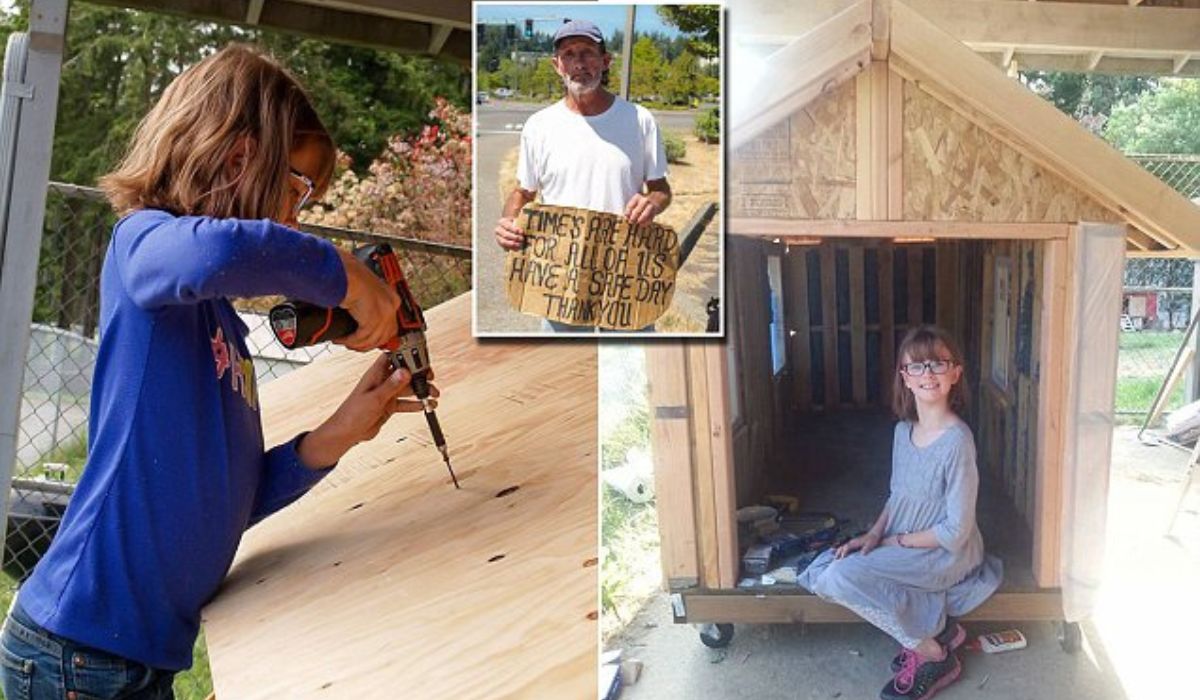
At 9, Hailey Builds Mini Shelters for the Homeless Using Recycled Materials in Her Backyard
-
Seven-Year-Old Nicknamed Hulk Wins Gold in Brazilian Jiu-Jitsu After Defeating South American Competitors



The 17-year-old teen turned a simple action into a prevention tool, using accessible technology to reinforce a care that can be forgotten on days of stress, fatigue, sleep deprivation, or routine change, factors cited by Youth Service America as part of the problem.
Project SafeRide moved beyond the app and became a campaign
The app is a part of Project SafeRide, an initiative led by Sailee to expand education on hot car safety. The campaign works with information, awareness, and prevention, without treating the problem as the exclusive fault of negligent caregivers.
According to Youth Service America, the 17-year-old teen brings the issue to schools, libraries, community events, and social networks. The strategy combines technology, public communication, and preventive education, bringing families, teachers, and local communities closer to the topic.
Local governments and security agencies joined the network
The campaign also involves contact with local governments, public security agencies, and community organizations. The intention is to transform the alert about hot cars into a message repeated through different channels, not just an isolated warning.
Youth Service America reports that Sailee’s work has already resulted in official recognitions and city proclamations in several states. This type of support helps give institutional visibility to the issue and reinforces prevention as a public safety matter.
Over 1,000 deaths since 1998 show the magnitude of the problem
The source points out that more than 1,000 children have died in the United States since 1998 in cases of heatstroke inside vehicles. The data is used by the campaign to show that the problem is not rare enough to be ignored.
The Project SafeRide’s approach itself avoids reducing the topic to individual blame. Research cited by Youth Service America indicates that these episodes can occur in contexts of overload, fatigue, routine changes, or insufficient sleep. Therefore, the focus of the campaign is on creating prevention barriers before the mistake happens.
Schools and libraries help spread the message
By bringing the topic to schools and libraries, Sailee brings prevention closer to environments frequented by families. These spaces function as points of information circulation, especially when the subject depends on repetition and habit change.
The 17-year-old also uses community events and social networks to expand the reach of the message. The combination allows the alert to reach both direct caregivers and people who can reinforce the reminder within their own family networks.
Next step is to expand the reach in the United States
According to Youth Service America, Sailee intends to expand Project SafeRide to more communities in the United States. The goal is to work with new schools, community organizations, local governments, and public security agencies.
The campaign also seeks to increase the use of the free app and strengthen partnerships. The central point is to create checking habits that can be repeated daily, especially during hot periods and in routines with young children in the car.
The alert that remains for families and cities
The case of Sailee Raja shows how a 17-year-old teenager can act on a public safety issue with simple technology, community articulation, and a clear message. The app does not replace caregiver attention, but it works as an additional layer of prevention.
The practical question remains: should cities, schools, and families adopt permanent reminder campaigns about the back seat in hot cars, or does this type of prevention still receive little public attention? Leave your opinion in the comments.