






 Portuguese
  Spanish


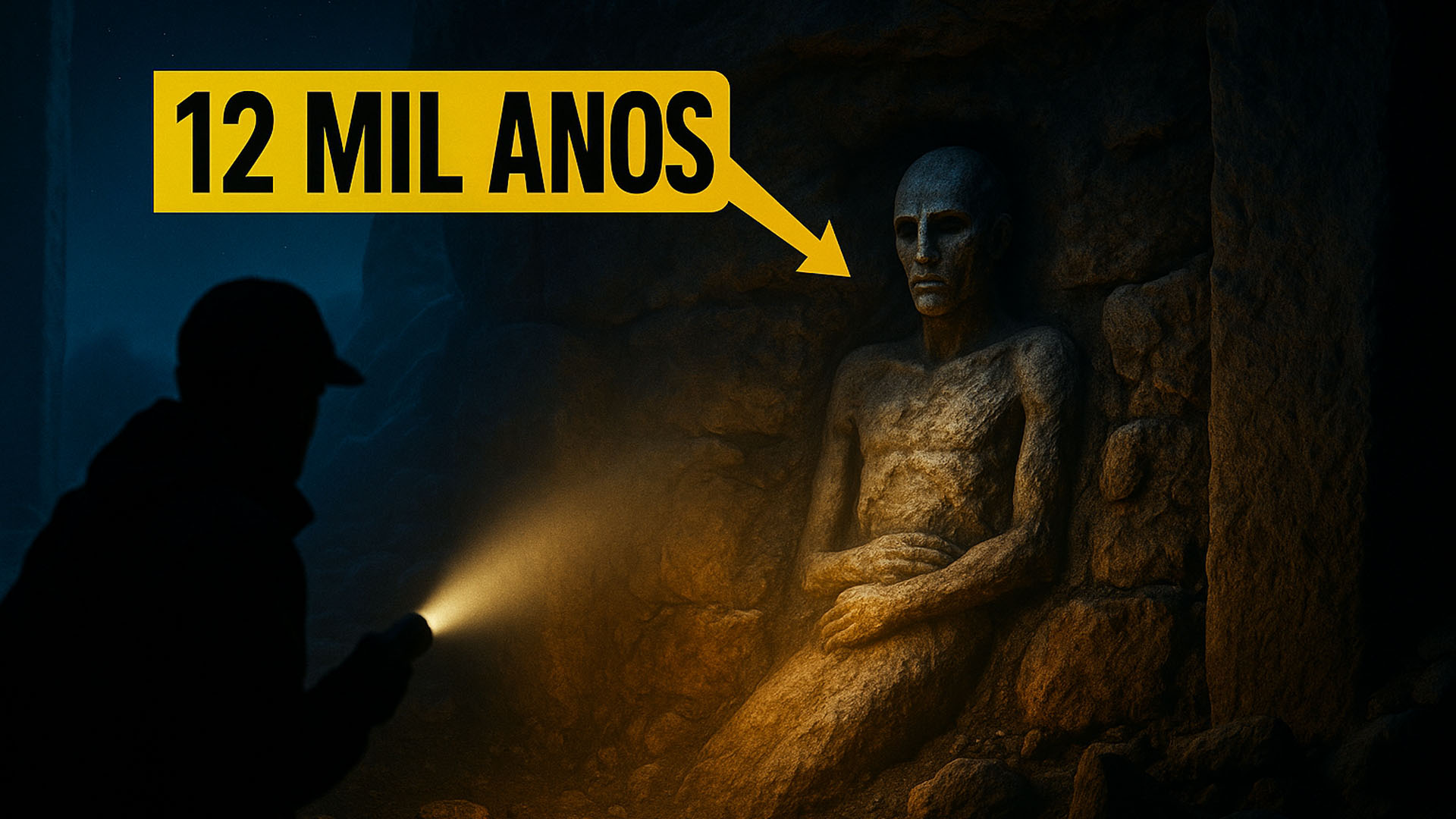

Archeologists Located a Life-Sized Human Statue Embedded Horizontally at the Base of a Wall Between Structures B and D at Göbeklitepe (Şanlıurfa, Turkey). The Turkish Government Suggests It Is a Votive Offering.
Turkey announced the discovery of a human statue over 12,000 years old integrated into the architecture of Göbeklitepe, the oldest known monumental sanctuary. The piece was found during conservation work that combines restoration and excavation.
According to the Ministry of Culture, the figure was deliberately positioned horizontally at the base of a wall.
Minister Mehmet Nuri Ersoy stated that the object was placed as a offering and “will shed light on the rituals and belief systems of the Neolithic.” The visit took place on September 19, 2025, accompanied by Princess Akiko of Mikasa from Japan.
-
Bruno Guimarães, 28, Misses Crucial Penalty Against Norway in World Cup After Replacing Vinicius Jr.

-
Inspired by a school lesson on Africa’s water crisis, a young boy raised money through chores to fund a well that transformed a Ugandan community.

-
Brazilian Construction Worker Moves to France, Earns Up to €2,500 Monthly with Home Renovations, Gains Social Media Attention

-
US Navy Sinks USS Oriskany with 230 kg of C-4, Creating World’s Largest Artificial Reef in 37 Minutes





Authorities emphasize that similar finds have already been located at Karahantepe, a contemporary site in the same region.
The magazine Archaeology reported that this is the first life-sized human statue of its kind recovered at Göbeklitepe, still in its original location, between the so-called Structures B and D. The discovery occurred in the context of an ongoing conservation program, which explains the unprecedented nature of the “architectural-ritual” find.
Discovery and Immediate Context: Where and How the Statue Was Found
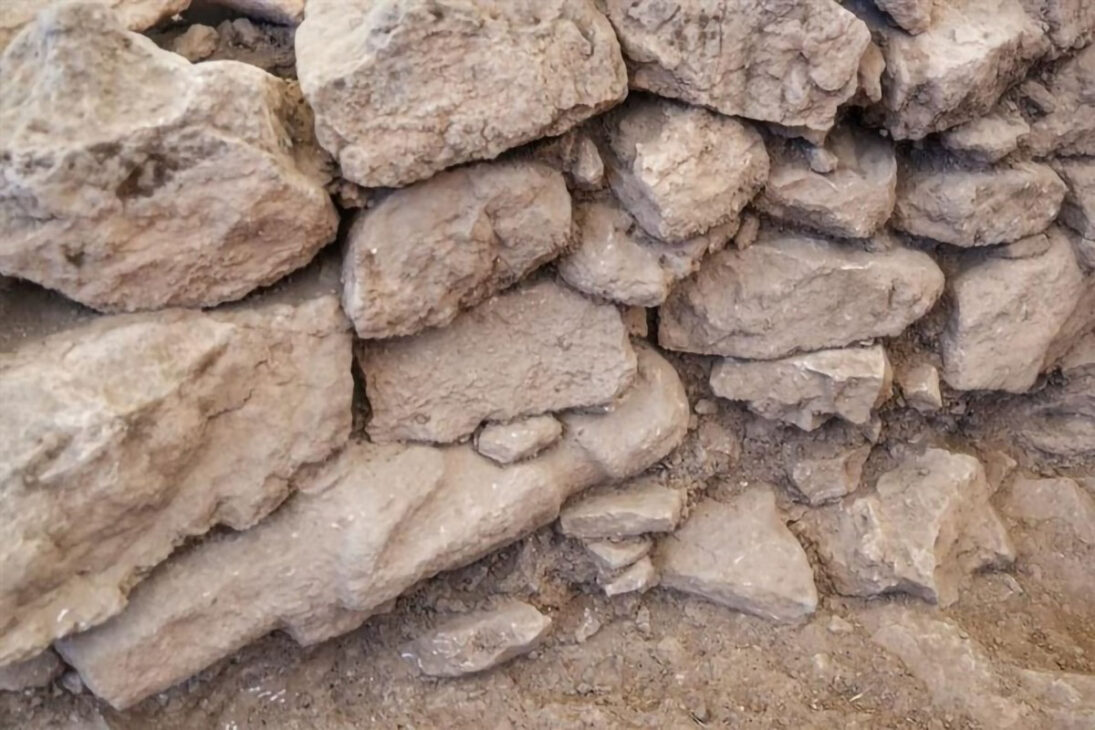
The piece appeared embedded in a wall, preserved in situ, providing rare evidence about the integration of anthropomorphic symbols into sacred architecture.
Researchers indicate that the horizontal position and the base of the setting suggest ritual intentionality.
Ersoy detailed that the statue was found between Structures B and D and interpreted as votive. The announcement in the field, made alongside Princess Akiko, links the find to the Turkish policy of scientific dissemination and cultural diplomacy.
Local reports, such as Türkiye Today, reinforce the ritual reading and highlight the “life-sized” character of the figure, emphasizing its value for understanding Neolithic beliefs in the Upper Mesopotamia.
Göbeklitepe, UNESCO, and the “Taş Tepeler”: Why the Site Is Crucial
Göbeklitepe has been on the UNESCO World Heritage List since 2018 for the criteria (i), (ii), and (iv), which recognize exceptional universal value and the relevance of megalithic iconography and architecture in the early Neolithic.
The complex pre-dates Stonehenge by about 6,000 years and the pyramids of Egypt by 7,000, featuring circular enclosures and “T” shaped pillars carved with snakes, foxes, and vultures, interpreted as symbols linked to myths and rites. This chronology and iconography are repeatedly cited in recent coverage of the find.
The region is part of the Taş Tepeler (“Stone Hills”) complex, the focus of excavations at multiple sites contemporary to Göbeklitepe, allowing for comparisons of ritual patterns and anthropomorphic representations.
Restoration Underway: “Legacy for the Future” and Compatible Techniques
The discovery occurred during the “Heritage/Legacy to the Future” project, which combines excavation and stabilization. At Structure C, teams re-erected several-ton pillars and consolidated walls with historically compatible materials, such as mortar mixed with goat hair.
The Ministry also announced visitor center, walkways, and parking planned for by the end of 2025, managing tourist flow and geomagnetic surveys to guide new excavation fronts.
Landscape management actions include about a thousand olive trees for area protection.
The conservation plan enhances site security while simultaneously increasing controlled access, a necessary balance to not sacrifice archaeological evidence for the sake of tourism.
Echoes of the Neolithic: Parallels in Karahantepe and the Comparative Value
The reference to Karahantepe helps explain why the Göbeklitepe piece is important: the neighboring site has already produced human sculptures and, more recently, a carved human face on a “T” pillar, all from the same cultural horizon.
These finds allow for comparisons of forms, functions, and contexts of human images within the Taş Tepeler.
By indicating that anthropomorphic representations circulated at different sites, science gains a foundation to discuss ritual roles, offerings, and architecture as part of a unified symbolic system — a hypothesis bolstered by the embedded statue now at Göbeklitepe.





