






 Portuguese
  Spanish


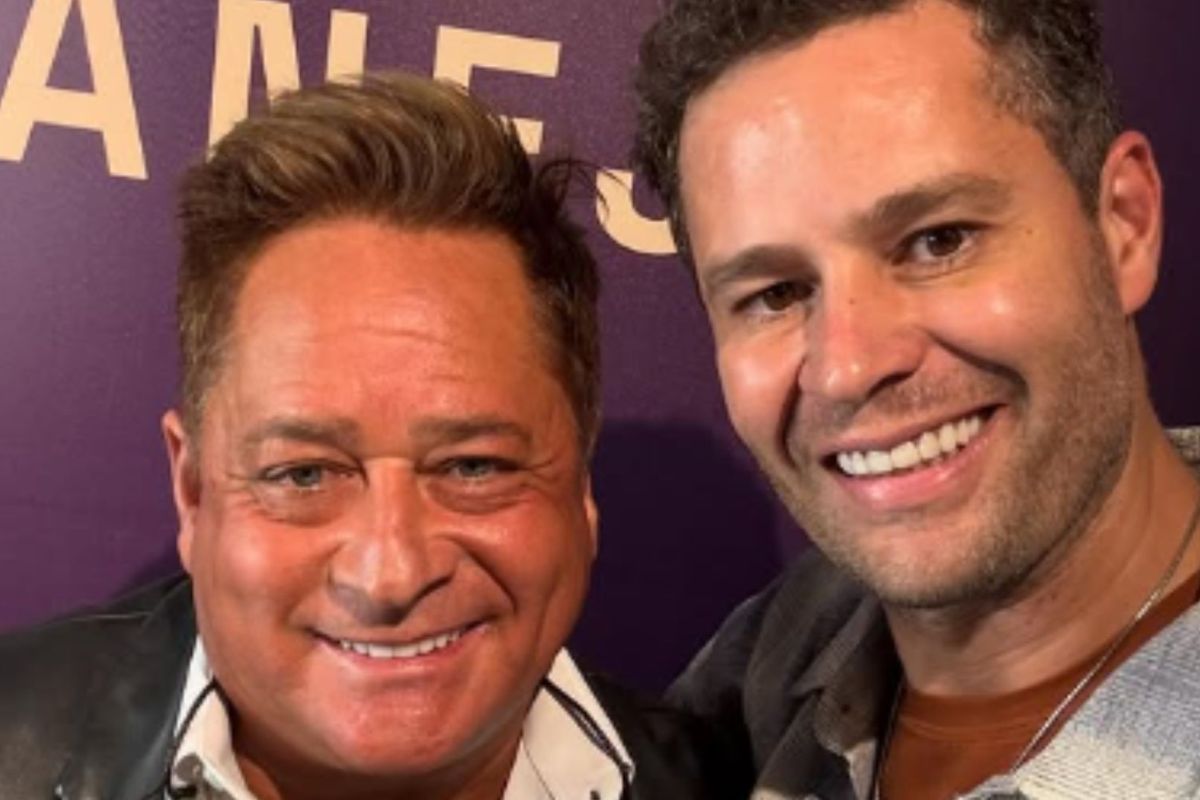


In Porto Belo, the initial investment of R$ 1,750,000 by Pedro Leonardo Dantas Costa aims for a residential property in Balneário Perequê, 550 meters from the sea, with rooftop, spa, sauna, coworking, and pool, and the intention of becoming a fixed address for the family, according to the artist after noticing infrastructure in 2025.
Porto Belo suddenly became a frequently repeated name in conversations about the real estate market and private life after Pedro Leonardo announced an initial investment of R$ 1,750,000 in a residential property 550 meters from the sea, in Balneário Perequê. When a celebrity chooses an address, the city makes news and becomes a barometer.
The movement is not limited to a property itself. It highlights a delicate promise that the residential property can stop being just a financial asset and become a fixed address, with rooftop, spa, sauna, coworking, and pool as part of the package, and with Porto Belo itself serving as the backdrop for this decision.
Porto Belo Enters the Radar When the Investment Becomes a Routine Choice
Pedro Leonardo described that he arrived in Santa Catarina in 2025 and was surprised by the pace of growth and infrastructure, which helps explain why Porto Belo appears as an entry point for an investment that is born with the ambition of permanence.
-
Brazil’s 2026 Tax Refund: Record 9.58 Million Filers in Largest Payout Ever, But a Key Detail on Priority Recipients Draws Nationwide Attention

-
Itaú Alters Hybrid Work Model, Increasing Office Days from 2028, Prompting Employees to Adjust to New Routine
-
Facing Labor Shortage, Japan Plans to Invest $34 Million to Attract Foreign Workers in Construction, Healthcare, Industry, and Commerce

-
Brazilian City Makes Remarkable Leap, Becomes 4th Wealthiest in the Country with GDP of R$ 134.1 Billion


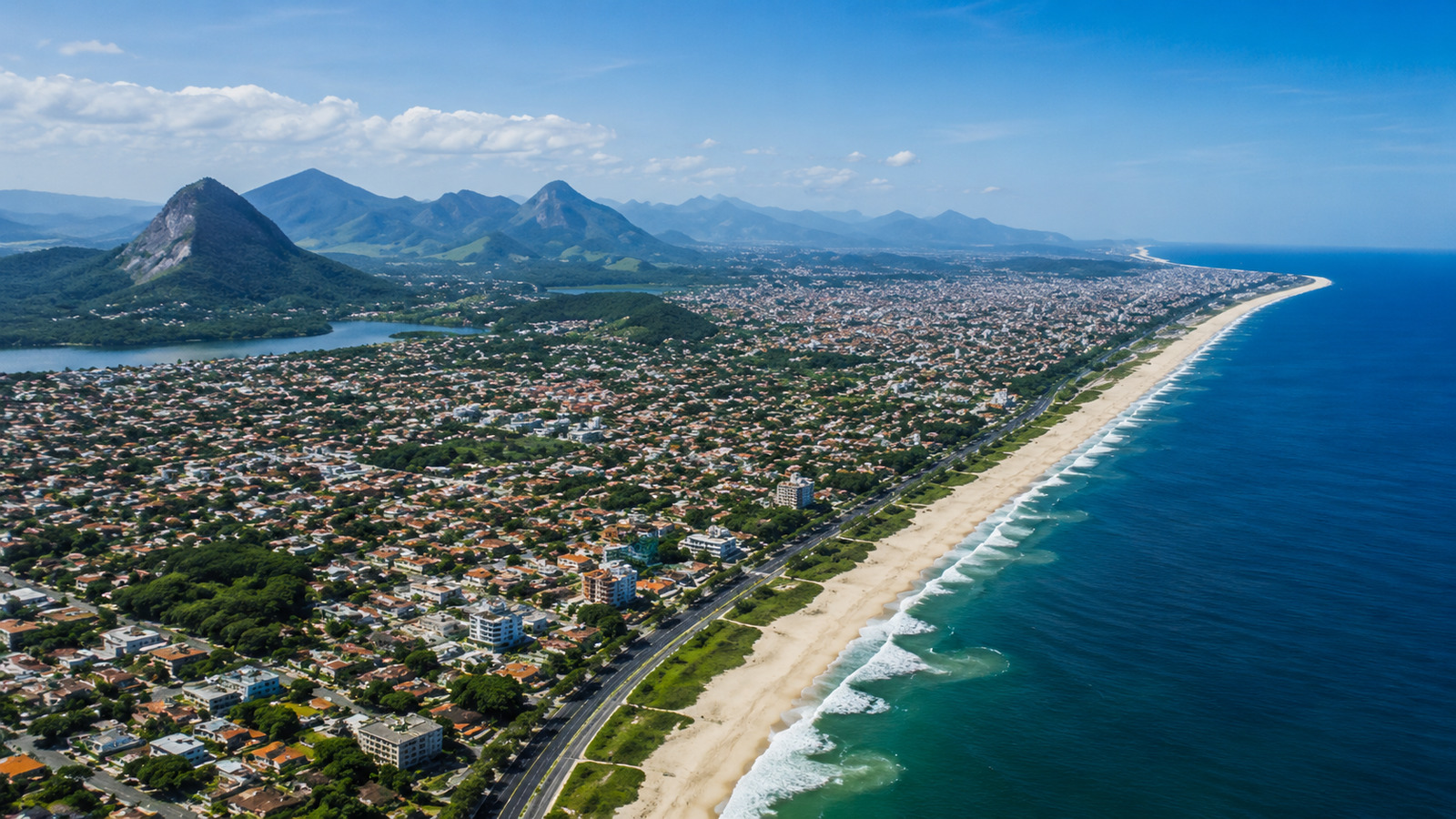
The central question is not just where to buy, but where the family wants to be.
By focusing on Balneário Perequê, the case also reveals how valued neighborhoods begin to concentrate narratives, works, and competition for attention.
Porto Belo, in this context, stops being just a beach setting and becomes a market argument, with the residential property functioning as a piece that tries to reconcile leisure, work, and daily logistics.
What Exists in the Residential and Why the Package Matters in the Decision
The residential mentioned in the investment is associated with the future development by Odeza Empreendimentos and is described with a set of common areas designed to reduce internal displacement and increase the available time to use the building itself.
Rooftop with a view and space to contemplate the sunset, a fully equipped gym, spa, sauna, event hall with gourmet space, adult and children’s pool, coworking, and playroom compose the presented list. It is an attempt to transform square footage into routine, not just in plans.
This type of design simultaneously carries a promise and a risk. The promise is that the residential will meet demands of different age groups in the same address, something that carries weight when talking about daughters, couples, and guests.
The risk is that the real experience depends on maintenance, usage rules, and coexistence, points that rarely appear in the first layer of the announcement.
Who Is Pedro Leonardo and What the Investment Signals for the Market
The investment is attributed to Pedro Leonardo Dantas Costa, introduced as the oldest son of singer Leonardo, and his words help directly answer the who and why of the movement.
He said that the initial idea was to generate profit, but he ended up choosing a three-suite apartment thinking of his daughters and wife, and that he likes the place so much that he sees the possibility of that property being his home.
For Porto Belo, the importance does not lie in a public figure buying, but in the showcase effect. Famous people serve as amplifiers of perception, and perception is the raw material for valuation.
At the same time, it is a sign that does not replace basic analysis: price, project phase, contract conditions, and supply dynamics in the region continue to define what the investment delivers, regardless of the name on the deed.
Porto Belo, VGV, and the Coast Dispute That Turned into a Spreadsheet
The case gains another layer when market numbers associated with Porto Belo itself appear.
The city, with just over 30,000 inhabitants, is cited as having reached a VGV of R$ 3.8 billion in 2025, surpassing Balneário Camboriú, which would have totaled R$ 2.4 billion in the same period, according to data attributed to the DWV platform. In this context, Porto Belo is not just a destination, it is a metric.
The mentioned ranking places Itapema at the top with R$ 4.1 billion, followed by Porto Belo, then Balneário Camboriú, Itajaí with R$ 2.2 billion, and Curitiba with R$ 2.0 billion.
The same dataset indicates that, in more valued markets, the average ticket per property reached R$ 2.85 million, with Balneário Camboriú leading this indicator, followed by Torres and São Paulo. The data suggests that the game is not just about the volume of units, but value added, average ticket, and positioning.
What Is Still Open in Porto Belo
Even with the investment and the list of amenities, there are questions that remain publicly unanswered and that make a difference for any responsible reading.
The first is the schedule and conditions of the development, as it’s talked about future apartments and not finished units.
The second is the cost of maintaining the promised standard, as the condominium fee often serves as the reality check for any residential property with a rooftop, spa, sauna, coworking, and pool.
The third is the territorial impact, something that Porto Belo feels when appreciation accelerates. Long-time residents deal with changes in traffic, service prices, and commerce profile, while new residents seek convenience and security.
It is in this friction between promise and real city that the investment proves itself or wears out.
Pedro Leonardo’s investment in Porto Belo exposes, at the same time, a personal movement and a market barometer, with Balneário Perequê appearing as a desired address and the residential trying to concentrate life, work, and leisure in the same spot.
In the end, the most useful question is not whether it is a trend, but whether it makes sense for those who live and for those who buy.
If you live in Porto Belo or have thought about investing in Balneário Perequê, what would weigh more in your decision, the residential package or the market moment, and what detail do you always find out too late when entering an investment of this size?









Só faltou informar onde fica , qual cidade ? Kkk
EM PORTO BELO SC, ORA POIS .😁🤣🤣🤣🤣🤣🤣🤣🤣🤣
Só não informou onde fica , qual cidade kkkk
Em Porto Belo SC
Ou será que entendi errado ?