Portuguese
  Spanish


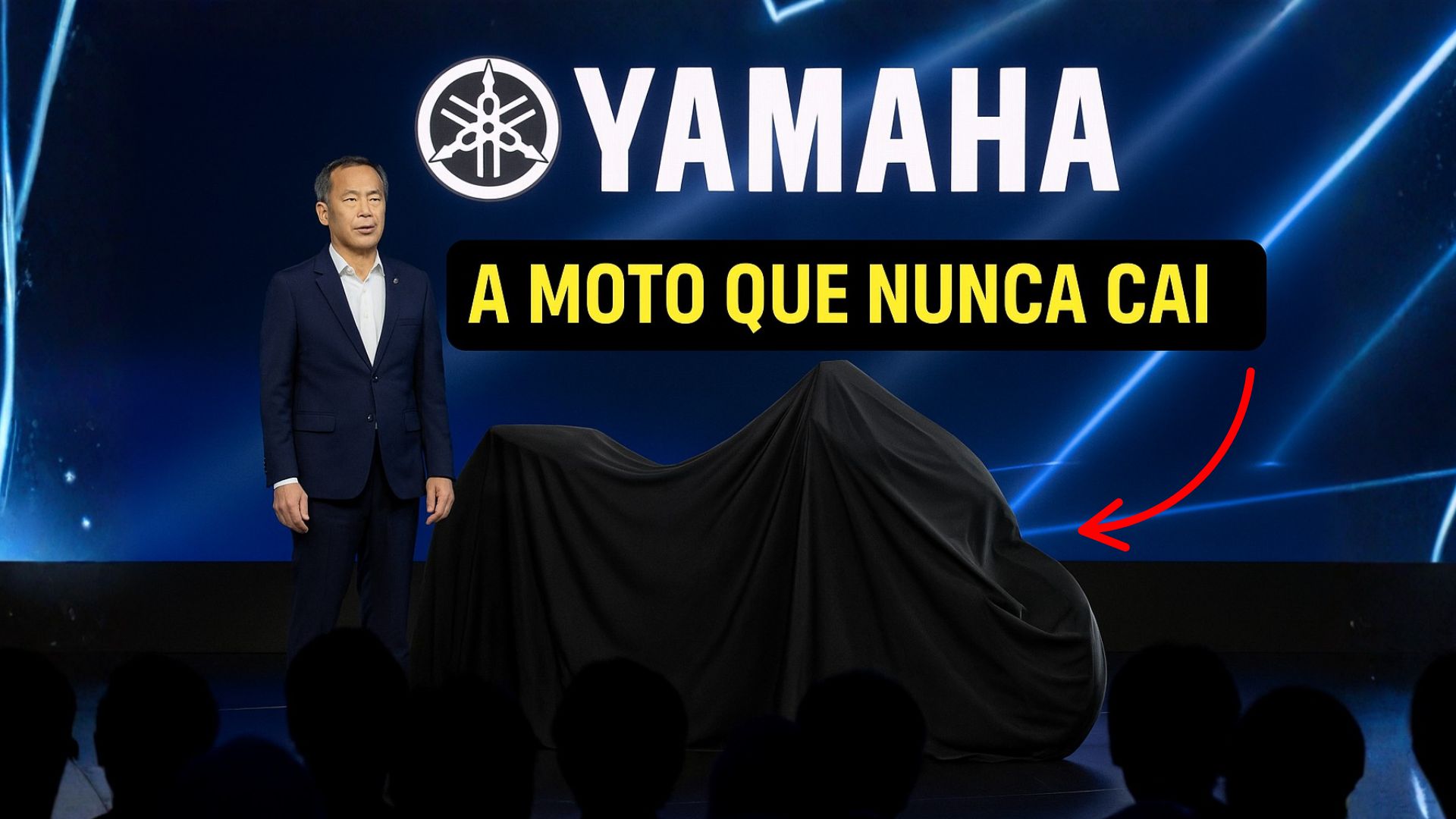


Yamaha Prototype Uses Artificial Intelligence to Balance Without Rider Assistance, Recognize the Rider, and React to Risky Situations. Model Presented in Japan as a Study on Safety and Human-Machine Interaction.
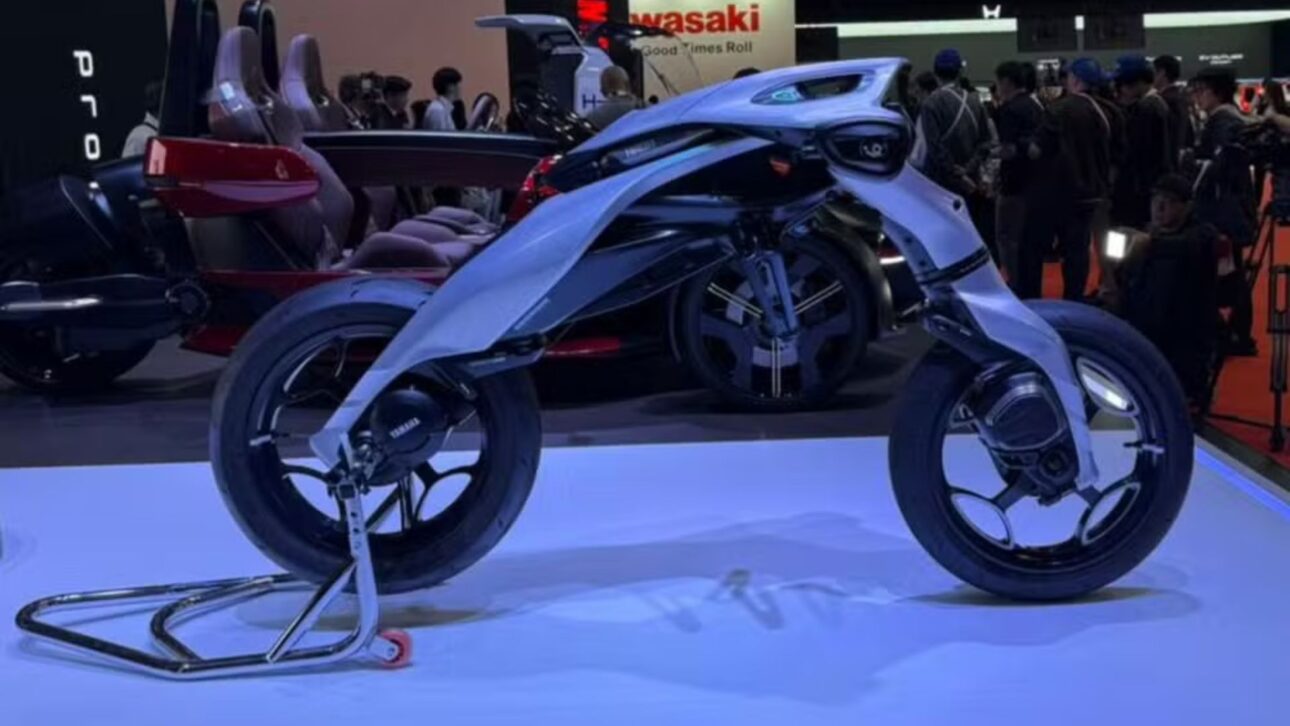
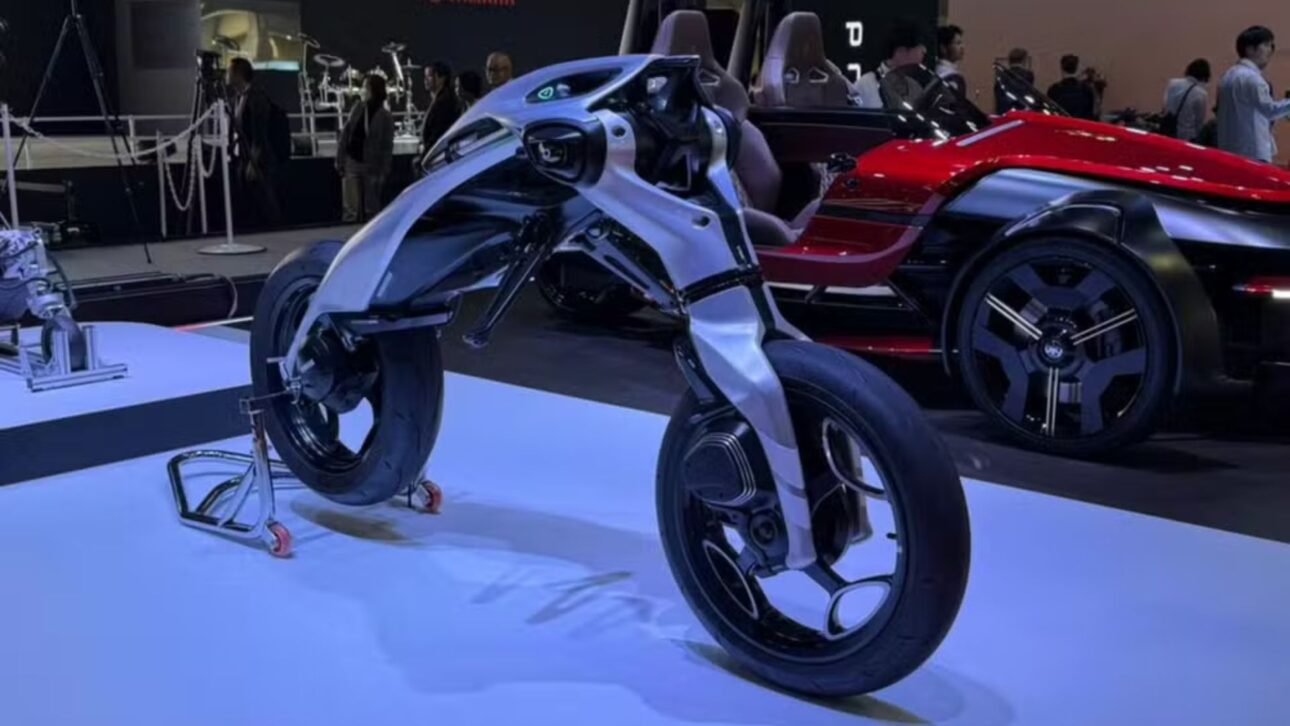
Yamaha presented in Japan the new generation of its autonomous motorcycle concept, capable of balancing without support from the rider and anticipating risky situations through artificial intelligence systems.
Named MOTOROiD:Λ, the prototype was showcased at the Japan Mobility Show 2025 in Tokyo and represents the third phase of a project that began in 2017.
The manufacturer describes the model as a laboratory for research on human-machine interaction and automated stability control.
-
Hilux’s little sister: Toyota relaunches the Land Cruiser 70 in the 2027 lineup with over 40 years of production, a 2.8 turbo diesel engine with 201 hp and 51 kgfm, a six-speed automatic transmission, and a renewed retro look.

-
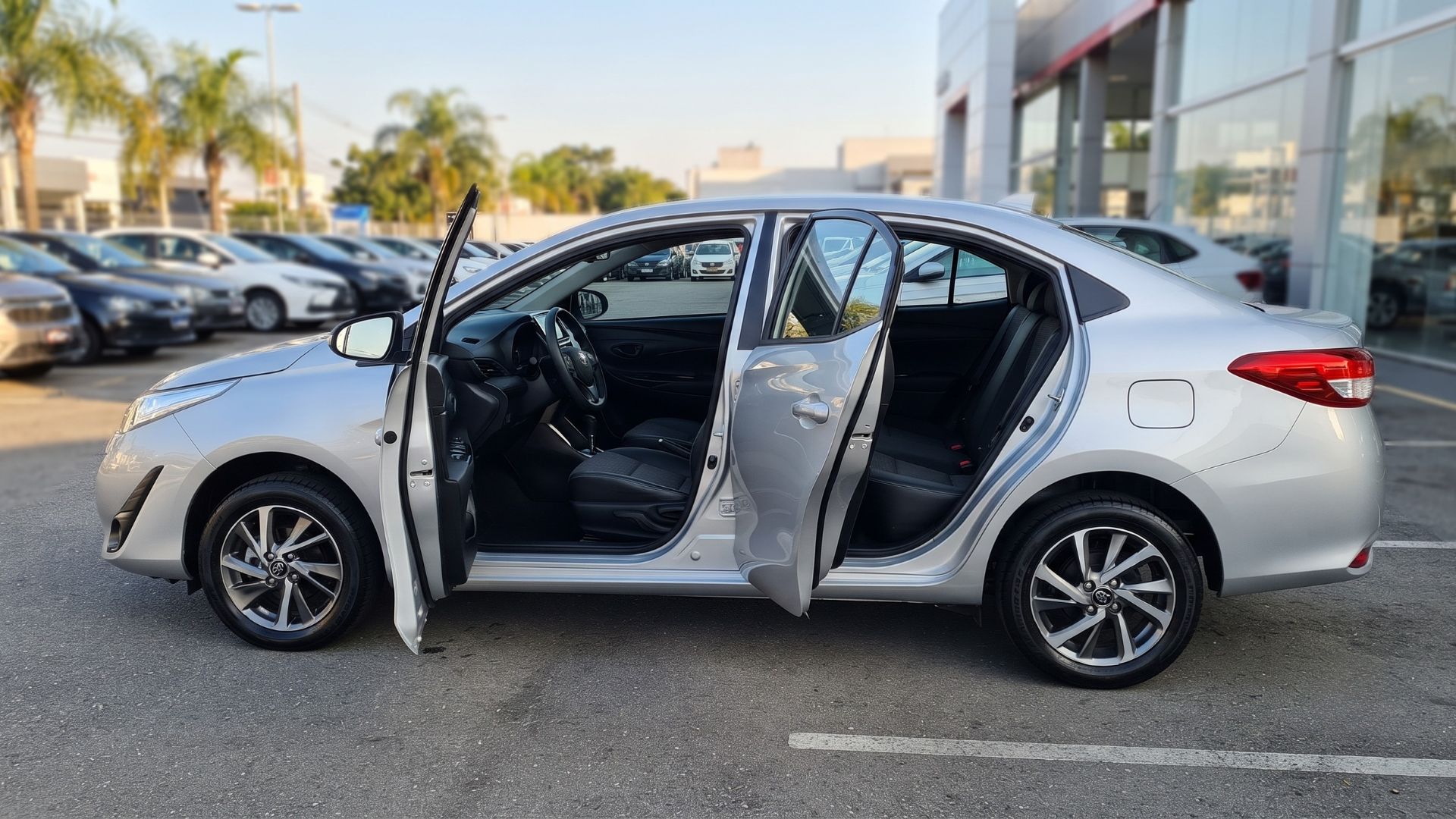
Automatic, economical, and known for reliability: with a 1.5 engine of up to 110 hp, CVT transmission, seven airbags, and fuel consumption of up to 15.9 km/l, this used hatchback appears as a rational alternative to Polo, HB20, and Onix; meet the Toyota Yaris XLS 2020.
-
He surpassed the Tera, Creta, and Tracker: With a TSI engine of up to 150 hp, 6-speed automatic transmission, and a 373-liter trunk, the Volkswagen T-Cross was the best-selling SUV in June, with 11,753 registrations.

-
It looks factory-made, but it came out of a workshop: a mechanic from Pernambuco builds a handcrafted “mini Toyota,” drives it through the streets, and the video goes viral on social media, leaving residents astonished.



Third Generation Focused on AI and Active Balance
The MOTOROiD emerged eight years ago as a study on rider recognition and gesture response.
In 2023, Yamaha introduced a second update, and the new version :Λ deepens the use of reinforcement learning in virtual simulations to enhance the autonomous driving and balancing functions.
According to the company, the prototype can rise and maintain stability even without the rider on it, through control of the center of mass and non-verbal communication between the user and the vehicle.
Public Demonstration at the Japan Mobility Show
During the event held at the Tokyo Big Sight convention center, between late October and early November, Yamaha presented the MOTOROiD:Λ to the public.
In the space called “MOTOROiD:Λ Show,” the brand showcased the evolution of the project and its balance and autonomy systems.
The proposal, according to the manufacturer, is to evaluate new interaction formats with mobility, with more precise responses to rider actions and increased safety in low-speed maneuvers.
Applications in Daily Use
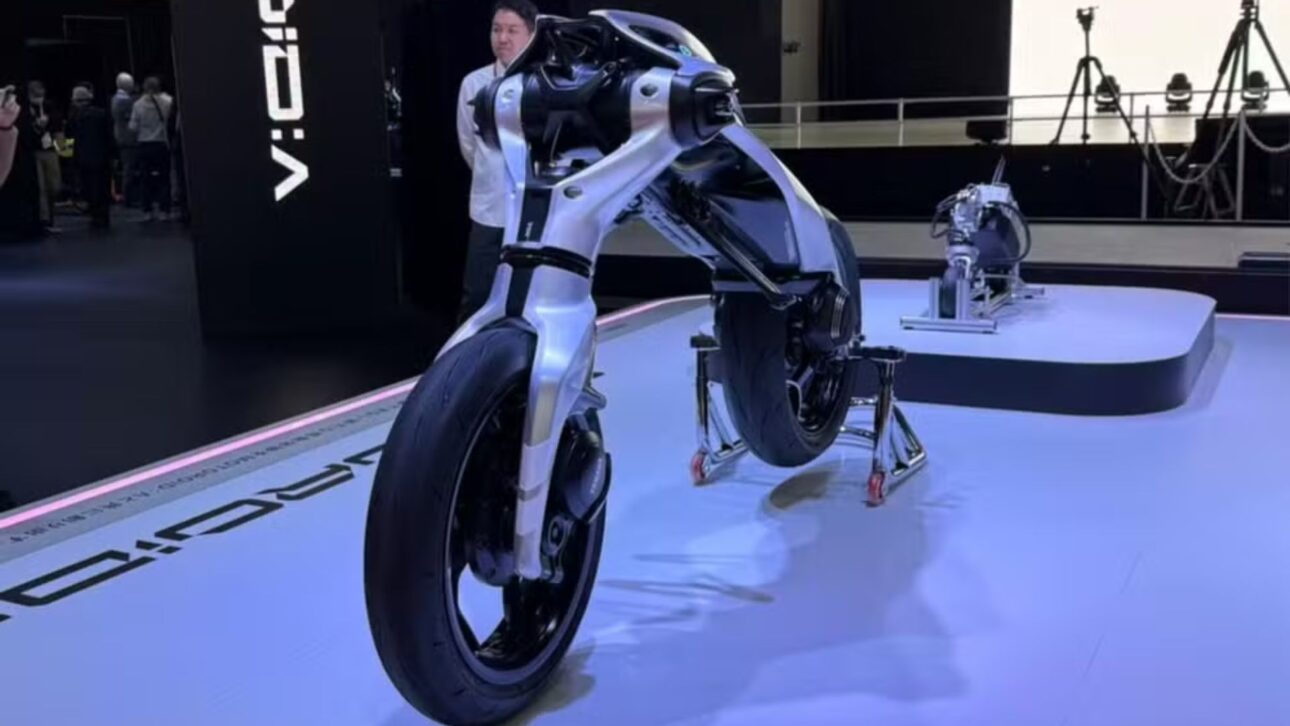
In official materials, Yamaha describes situations where the motorcycle could move and park by itself, after recognizing the rider through sensors and cameras.
In these scenarios, the rider could dismount in front of a destination while the motorcycle looks for a parking spot and returns when called.
The system uses processors and sensors that automatically adjust balance and compensate for abrupt movements or loss of stability.
According to the brand’s engineers, this feature would reduce the risk of falls at low speeds.
Road Safety and Brazilian Context
Industry studies indicate that improving driver assistance systems can help reduce motorcycle accidents.
In Brazil, around 13,500 motorcyclists died in 2023, according to data from the Ministry of Health.
Traffic safety experts claim that active balance technologies, proximity sensors, and automated responses can minimize falls and collisions, especially in urban areas.
Although the concepts presented by manufacturers such as Yamaha are still in the experimental phase, analysts believe they represent a step forward in the quest for greater road safety.
Limits and Challenges for Commercial Application
According to Yamaha, the MOTOROiD:Λ remains in a conceptual stage, and there is no forecast for mass production.
The company did not disclose whether it plans to adapt the balancing system for street motorcycles.
Automotive technology experts observe that the transition from prototypes to marketable products depends on economic viability and the authorization of systems in real traffic conditions.
So far, there is no independent proof of the direct impact of this technology on mortality rates.
Product Line and Electrification Strategy
While the concept is showcased at international fairs, Yamaha focuses its commercial strategy in Brazil on electrified models.
In 2025, the company launched the Fluo ABS Hybrid Connected, identified as the first scooter with a mild hybrid (MHEV) system in the country.
The model combines a 125 cm³ internal combustion engine (8.3 hp and 1 kgfm) with a 12-volt electric assistant, known as Power Assist, which provides additional torque during starts, climbs, and accelerations.
According to the manufacturer, the system aims to optimize fuel consumption and smooth power delivery, especially with a passenger or load.
Outlook for Brazilian Consumers
In the short term, available advancements for the public focus on safety and efficiency items, such as ABS brakes, mild electric assistance, and built-in connectivity.
Experts believe that research like that of MOTOROiD will gradually influence future releases as costs decrease and system reliability increases.
Manufacturers are also increasing investments in traction control, camera monitoring, and blind-spot sensors, technologies seen as intermediate steps toward partially autonomous driving.
Promises and Cautions in The Use of Autonomous Motorcycles
Claims about the “end of accidents” are treated with caution by road safety experts.
According to them, even if self-balancing motorcycles may reduce falls at low speed, factors such as poor infrastructure, risky behavior, and collisions with other vehicles continue to be the main causes of traffic deaths.
For assistance technologies to have a proven impact, widespread testing and integration with public safety and enforcement policies would be necessary.
What to Watch in The Coming Years
In the next event cycles and launches, industry analysts expect to follow how Yamaha and other manufacturers will transform research like that of MOTOROiD into systems applicable to commercial motorcycles.
The debate over regulations for vehicles with autonomous functions and the cost of balance sensors and processors will also gain traction.
The consolidation of safe technologies, according to experts, will depend on both the innovation of manufacturers and the evolution of circulation and inspection standards.