






 Portuguese
  Spanish
  3 min of reading
  0 comments


Budget Cuts Disabled Radars Across The Country, Suspending Contracts And Leaving Thousands Of Kilometers Of Highways Without Electronic Monitoring, Impacting Road Safety And Accident Reduction Goals.
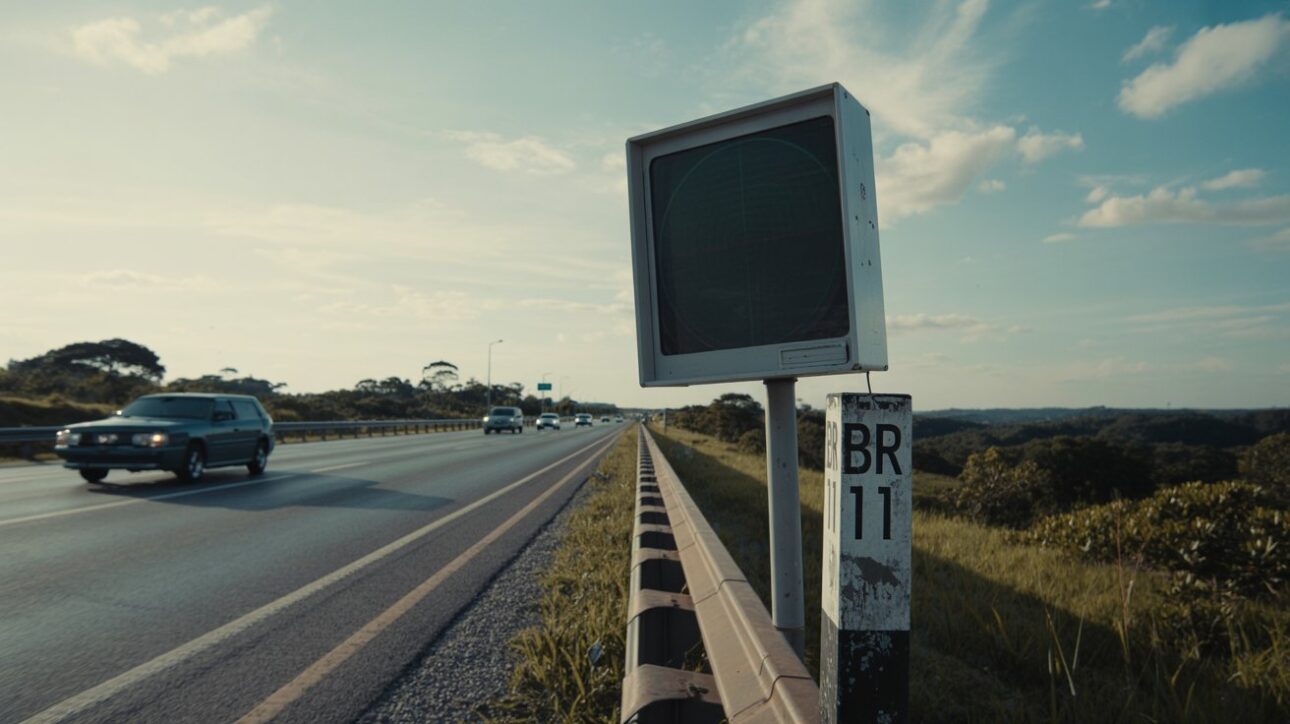
Since August 1, 2025, all electronic radars installed on federal highways have been turned off due to a lack of budget resources allocated to the National Electronic Speed Control Program (PNCV).
The drastic reduction of 88% of the budget planned made the continuation of the equipment maintenance contracts unfeasible.
Cut That Interrupts Electronic Monitoring
The National Department of Transport Infrastructure (DNIT) had estimated the need for R$ 364.1 million to maintain the operation of the radars throughout the year.
-
Survivor of 1966 SS Daniel J. Morrell Shipwreck in Lake Huron Recounts 38-Hour Ordeal in Extreme Cold

-
The Greatest Hoax in World Cup History? The Film That Denied Brazil’s 1958 Victory and Exposed How Fake Evidence Can Seem Convincing on TV
-
Fake South Korean Online Stores Offer Shopping Thrill Without Spending Money or Receiving Products
-
The War of Jenkins’ Ear: How a Severed Ear Sparked One of the 18th Century’s Most Unusual Conflicts


In the approved budget, only R$ 43.36 million were released, which, when added to supplements and outstanding payments, reached R$ 79.6 million — an amount still insufficient to guarantee operation until December.
Although an emergency release of R$ 10 million allowed for partial continuity in July, the resource was not extended to August.
Scope And Suspension Of Contracts
The PNCV covered 21 contracts in 27 federative units, monitoring about 2,000 monitored lanes on federal highways.
There were plans to expand this coverage to 4,700 lanes through new bids, but this expectation was suspended with the budget cut.
In Rio Grande do Sul, for example, stretches like BR-285 in Passo Fundo stopped having any electronic speed monitoring.
In this municipality, there were 10 controllers at seven points distributed among neighborhoods like São José, Vera Cruz, and Zachia — all deactivated as per the decision made in Brasília.
Impacts On Safety And National Goals
The deactivation of the radars means an increased risk on federal roads.
According to the World Health Organization (WHO), speeding is the leading cause of deaths on highways.
The National Plan for Reducing Deaths and Injuries in Traffic (PNATRans) sets a goal of reducing 50% of fatalities by 2030, a goal now weakened.
In 2024, Brazil recorded around 34,000 deaths in accidents and estimated costs of R$ 22 billion in damages.
Other studies, like those by Ipea, indicate even higher community losses, around R$ 22.6 billion and over 200,000 people with sequelae.
Revenue Loss And Ongoing Legal Dispute
In addition to the human dimension, the radars were an important source of revenue.
The system generated about R$ 1.1 billion per year in fines.
Until 2022, such resources were reinvested in the maintenance and expansion of the program itself, but from 2023 they began to be redirected to DNIT’s administrative expenses, compromising its sustainability.
The interruption of operations may constitute a breach of the judicial agreement made with the Federal Public Ministry (MPF), which provides for the maintenance and expansion of the electronic monitoring system.
The Brazilian Association of Traffic Engineering Companies (Abeetrans) has already indicated the possibility of seeking judicial recourse if the radars are not reactivated, stating: “It is impossible to protect those on the road without the radars operating fully”.
The DNIT is trying to reverse the scenario through negotiations with the Civil House and the Ministry of Transportation.
Alternative Policing In The Absence Of Radars
In place of electronic monitoring, the Federal Highway Police (PRF) adopted actions with portable radars, especially in stretches considered more dangerous.
In Passo Fundo, the head of the PRF’s Inspection Bureau warned that “monitoring will require increased attention” and that teams should reinforce their presence in critical points.
The local DNIT does not have the autonomy to keep the equipment active; the decision came from the federal government.
What do you think: does this suspension tend to increase the number of accidents on federal highways?





Be the first to react!