Portuguese
  Spanish




Soil Science Gained Importance at COP30 by Connecting Sustainable Financing to Agricultural Practices that Enhance Resilience, Global Data, and Pathways to Support Rural Producers
The debate on sustainable financing took on a new dimension by being placed at the center of climate discussions during the panel held on November 20, in the Blue Zone of COP30, according to a news article published.
The meeting, led by FAO and with direct participation from the Ministry of Agriculture and Livestock (Mapa), brought together experts from different continents to emphasize the urgency of restoring soil health as a foundation for environmental and productivity goals.
The proposal aimed to bridge science, agricultural policy, and international cooperation, highlighting how healthy soil influences food security, biodiversity, and climate adaptation.
-
Brazilian Farmers with Basic Education Create Backyard Machines That Win National Invention Contest, Beating 242 Projects

-
Brazilian Farm Innovates with Cage-Free Chickens, Producing 3,300 Odorless Eggs Daily

-
From Selling Unsold Saplings to Creating Brazil’s Most Awarded Olive Oil Brand with 330 Accolades and a $12 Million Goal by 2026
-
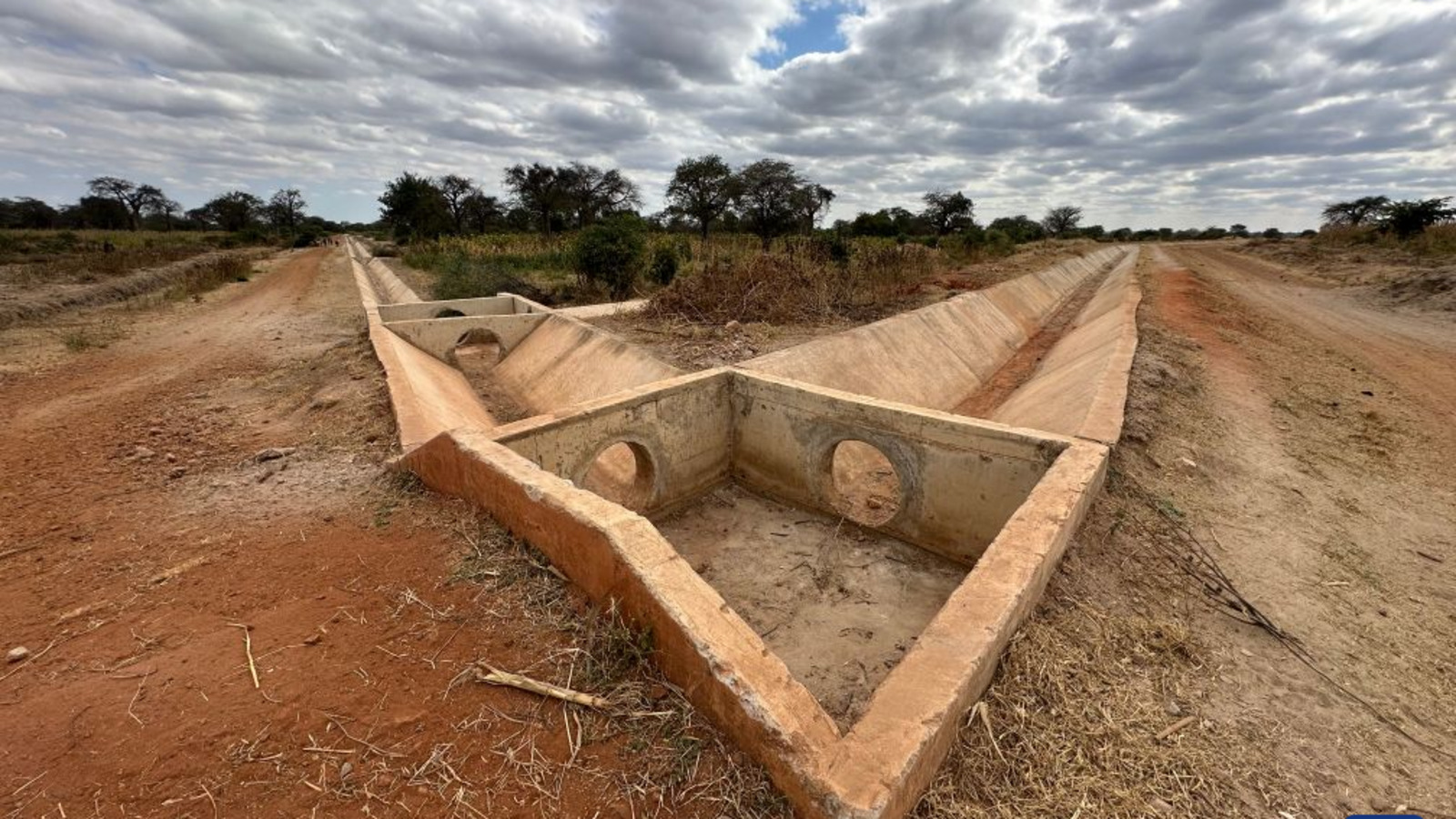
China Builds 400-Hectare Irrigation System in Tanzania to Aid 1,000 Families Dependent on Rainfall


The event showcased practical examples that demonstrate how farmers can lead solutions when provided with technical support and adequate financial instruments.
The discussions also addressed the importance of creating clear metrics capable of guiding investments and improving the sustainable performance of farms.
The federal agricultural tax auditor Luís Rangel represented Mapa and highlighted that the exchange between specialists from Africa, Australia, FAO, and young researchers expanded understanding of the topic.
According to him, linking soil health to rural credit has become a strategic necessity.
The appreciation of international data platforms emerged as another essential point to drive initiatives such as Green Path Brazil.
The program encourages practices that restore soil vitality and generate environmental and productivity benefits.
Soil Science for Resilient Agriculture
The discussion showed that soil science offers concrete means to guide agricultural and financial decisions.
The panel highlighted that reliable technical information serves as a basis for policies that connect producers to credit lines aligned with environmental outcomes.
FAO reinforced that restoring degraded land reduces climate risks and improves productivity over time, creating conditions for farmers to adopt more efficient methods that are less vulnerable to extreme events.
Sustainable Financing and Green Rural Credit
Luís Rangel’s remarks during the event highlighted that creating specific indicators to monitor soil evolution is essential for integrating farms into green rural credit programs.
This approach reinforces the role of science as a guide for responsible production models.
The alignment between technical data and sustainable financing was identified as key to enhancing outcomes and attracting new investors interested in supporting climate-positive projects.
International Climate Data Platforms
The event also reaffirmed that global information platforms are decisive tools for developing public policies capable of responding to different regional realities.
These systems favor dialogue between institutions, allow for the identification of priority areas, and support the implementation of programs like Green Path Brazil.
By connecting data from various countries, initiatives have a greater capacity to guide projects focused on restoring soil health and strengthening farmers’ climate resilience.
The panels emphasized that integrating environmental metrics into credit models allows for evaluating the evolution of practices adopted by producers.
During the event, it was discussed how sustainable financing can generate social and environmental benefits when associated with reliable indicators of soil and productivity.
This integration favors long-term decisions and enhances the effectiveness of climate policies.
It became evident that programs that connect science, farmers, and financial institutions create consistent pathways to increase investments in the field.
Initiatives that value technical data strengthen the adoption of management practices and broaden alternatives for access to sustainable financing.
In the end, specialists reinforced that expanding credit mechanisms linked to soil health is an essential step to strengthen climate adaptation and consolidate the strategic use of sustainable financing.