Portuguese
  Spanish


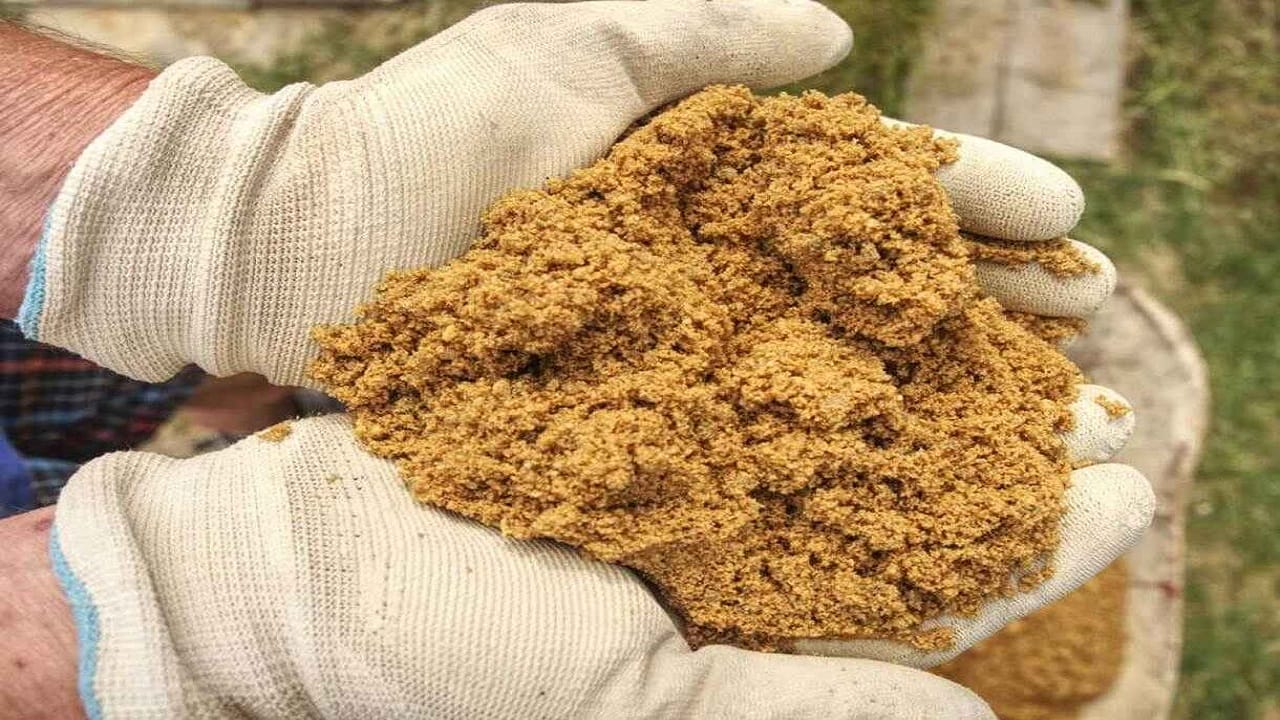

Startup From Finland Developed New Sand Battery That Promises To Eliminate The Use Of Oil And Dramatically Reduce Pollutant Gas Emissions.
A large sand battery will eventually heat the municipality of Pornainen, Finland. The system is a type of thermal energy storage that uses sand. The expectation is that the technology can meet the heating demands of the region, moving away from the use of oil and significantly mitigating carbon emissions.
The project, which promises to end oil usage, is being developed by the startup Polar Night Energy, which plans to complete its construction in one year and one month. The sand battery uses the material as a heat conductor, storing it to later generate energy.


The system from Polar Night Energy is a bit different in this regard, as it replaces sand with crushed soapstone. The goal is to transform the excess energy produced by wind and solar sources into thermal energy through a process called resistive heating. This will heat the air, which will be conducted through heat transfer pipes to the crushed soapstone. This stored hot air can be used to heat homes in Finland during the winter.
-
Longest Solar Eclipse of the Century Will Turn Day to Night for Over 6 Minutes, Allowing Star Gazing; Won’t Recur for 156 Years

-
Brazilian Researcher Develops Protein Supplement from Tilapia Waste, Combining Innovation and Sustainability with Economic Potential

-
Women in São Paulo Unknowingly Tracked by Coin-Sized Tags Hidden in Cars and Belongings, Raising Stalking Concerns
-
Near a $750 million AI data center in Brazil, a resident’s well runs dry, leaving her unable to afford the $25,000 needed for repairs.


The sand battery, which is being produced in Finland and may end the use of oil, will be 13 meters high and 15 meters wide, with a heating capacity of 1 MW and the ability to store up to 100 MWh of thermal energy. This is enough to heat the entire region of Pornainen and consequently reduce the carbon emissions of the municipality.
According to the company, carbon dioxide emissions are expected to be reduced by 70% with the use of the technology, as it will eliminate the need for oil and reduce the burning of wood waste, such as sawdust, by about 60%.
Sand Battery Is More Affordable Than Oil
In contrast to several other environmentally harmful energy generation options, the sand battery from Finland represents a promising alternative. Besides being more affordable, it has a lower environmental impact and contributes to reducing climate change. Although there are still challenges, such as energy loss in thermal conversion, the economic and environmental potential of batteries is encouraging.
It is worth mentioning that Polar Night Energy was founded in 2016 by two young thermal energy specialists. The idea, which originated in the university environment, began to be applied in the real world when the duo partnered with the energy supplier Vatajankoski.
The startup gained support from the local government. The country is facing a fuel shortage due to rising gas prices. Russia cut off gas supplies to Finland for refusing to pay in rubles.
Innovations For Energy Generation
A scientific innovation may change the way we store energy. Researchers at the Chemical Energy and Environment Institute (IQUEMA) of the University of Córdoba (Spain) developed a battery that transforms chemical energy into electrical energy using hemoglobin.
Hemoglobin is present in the blood and is the protein responsible for transporting oxygen from the lungs to the tissues via red blood cells. Thus, it earns the nickname blood battery.
The researchers used zinc-air batteries, which combine atmospheric oxygen and the metal zinc in a liquid alkaline electrolyte, generating electricity with a byproduct of zinc oxide produced in the reaction. The prototype works as follows: Hemoglobin facilitates the electrochemical reaction known as the Oxygen Reduction Reaction (ORR).