Portuguese
  Spanish


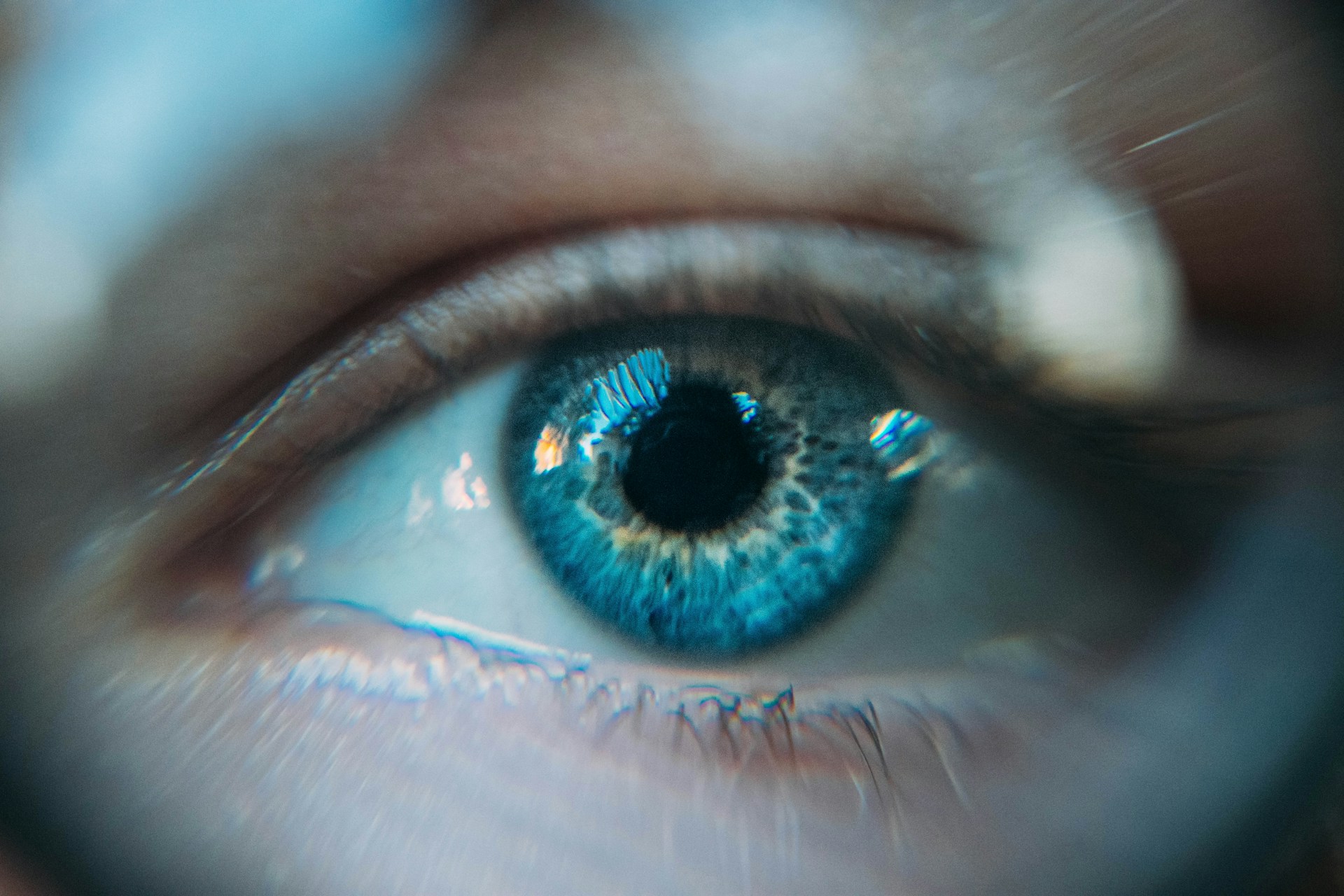


Blue Eyes Emerged From Genetic Mutation Up to 17 Thousand Years Ago, But Still Represent About 10% of the World Population
For a large part of human existence, all Homo sapiens had brown eyes. Blue eyes only emerged much later, as a result of a genetic mutation that affected melanin production in the human body.
The change occurred due to a mutation in the HERC2 gene. This gene influences the activity of OCA2, responsible for melanin production.
The mutation does not eliminate the pigment completely, but reduces its quantity, causing the eyes to appear lighter.
-
The Frenchman Who Brought the World Cup to Life: Overcoming Resistance and Crossing the Atlantic with the Trophy to Create Football’s Biggest Tournament

-
Archaeologists Reexamine 4,500-Year-Old Tombs in Ancient Mesopotamia, Suggesting Some Early Kings May Have Been Powerful Women
-
The North Face Co-Founder Donates Vast South American Lands to Create National Parks in Patagonia, Turning Private Wealth into Environmental Legacy

-
From Rural Brazil to Global Tech: Entrepreneur Builds a 800-Employee Company with Over $40 Million Annual Revenue in 19 Countries




This effect is reinforced by a phenomenon known as the Tyndall effect, which involves the scattering of light in the iris.
When and Where This Mutation Arose
In the past, it was believed that this mutation was recent, dating back to about 6,000 to 10,000 years. However, more recent studies indicate that it may have occurred around 14,000 to 17,000 years ago.
Genetic evidence found in human remains from Italy and the Caucasus supports this. One of the most striking examples is that of a baby from southern Italy, who likely had dark skin, blue eyes, and curly hair.
These data show that the mutation appeared in a single individual but ended up spreading. Even with distinct characteristics, such as dark skin, blue eyes came to exist in the human species.
The Color of Eyes Is More Varied Than It Seems
Many people believe there are only three eye colors: brown, green, or blue. In reality, the genetics of eye color is much more complex.
It involves the action of several genes, not just HERC2 and OCA2. This means there is a huge variety of tones and possible combinations.
The case of the Cheddar Man, a 10,000-year-old fossil found in the United Kingdom, illustrates this well. At the time of its analysis, headlines claimed he had blue eyes and dark skin.
But researchers explained that, in fact, his eyes were a mix of blue-green with hints of brown and yellow.
Blue Eyes Are Not Disappearing
Many have claimed that blue eyes could disappear over time. But this theory has no scientific basis. As it is a recessive genetic trait, it can continue to exist even if it does not appear in every generation.
Today, about 10% of the world population has blue eyes. Moreover, millions of people carry the genes necessary for them to re-emerge in the future.
With information from Olhar Digital.