






 Portuguese
  Spanish
  4 min of reading
  0 comments


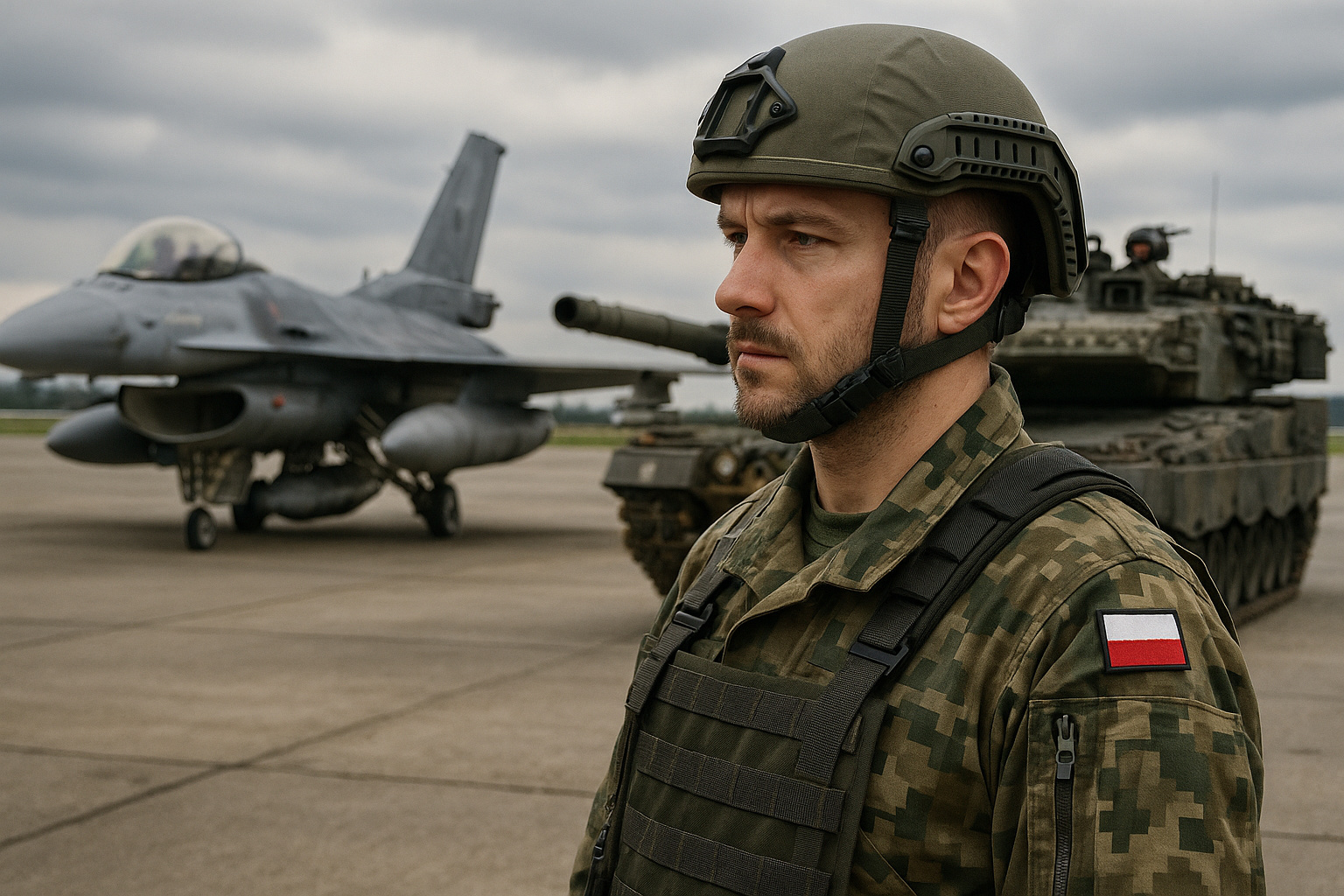
European Country Expands Arsenal With Fighters, Tanks, and Anti-Air Systems in Direct Response to Russian Military Escalation.
The Poland announced in September 2025 a record investment of US$ 35 billion (approximately R$ 190 billion) to transform its armed forces. This decision was made following the invasion of Russian drones on September 10 and the execution of military exercises Zapad-2025 by Russia and Belarus.
Thus, the measure places the country as one of the largest military powers in Europe, especially with strategic support from the United States and South Korea.
Modernization of the Armed Forces
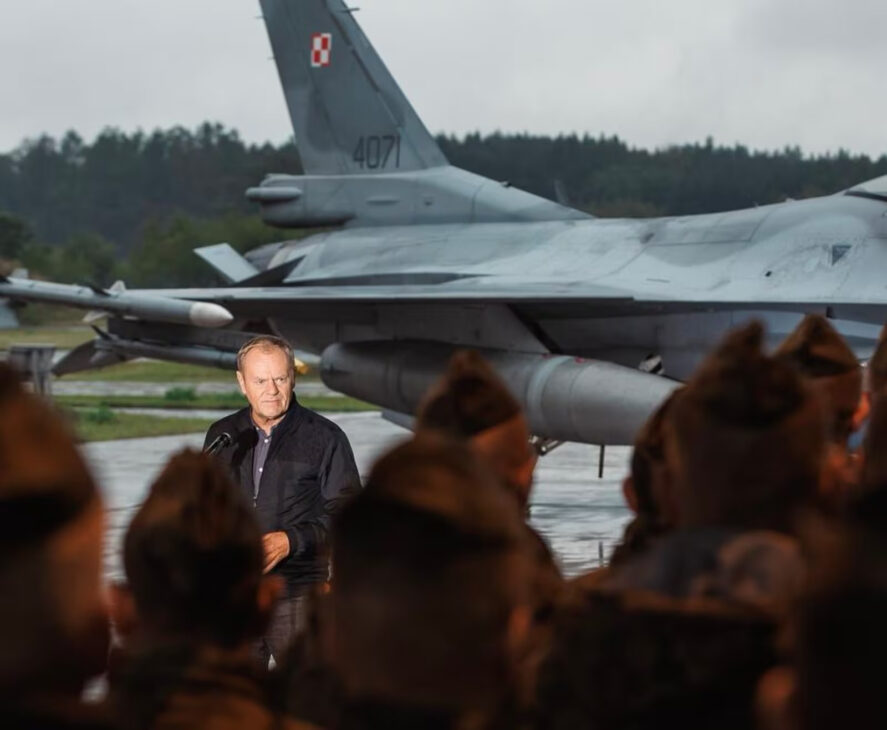
On September 11, during a speech at an air base in Lask, Prime Minister Donald Tusk announced that Poland will receive, as early as 2026, the first U.S. F-35 fighters. The order includes 32 aircraft, and delivery will be completed by 2030.
-
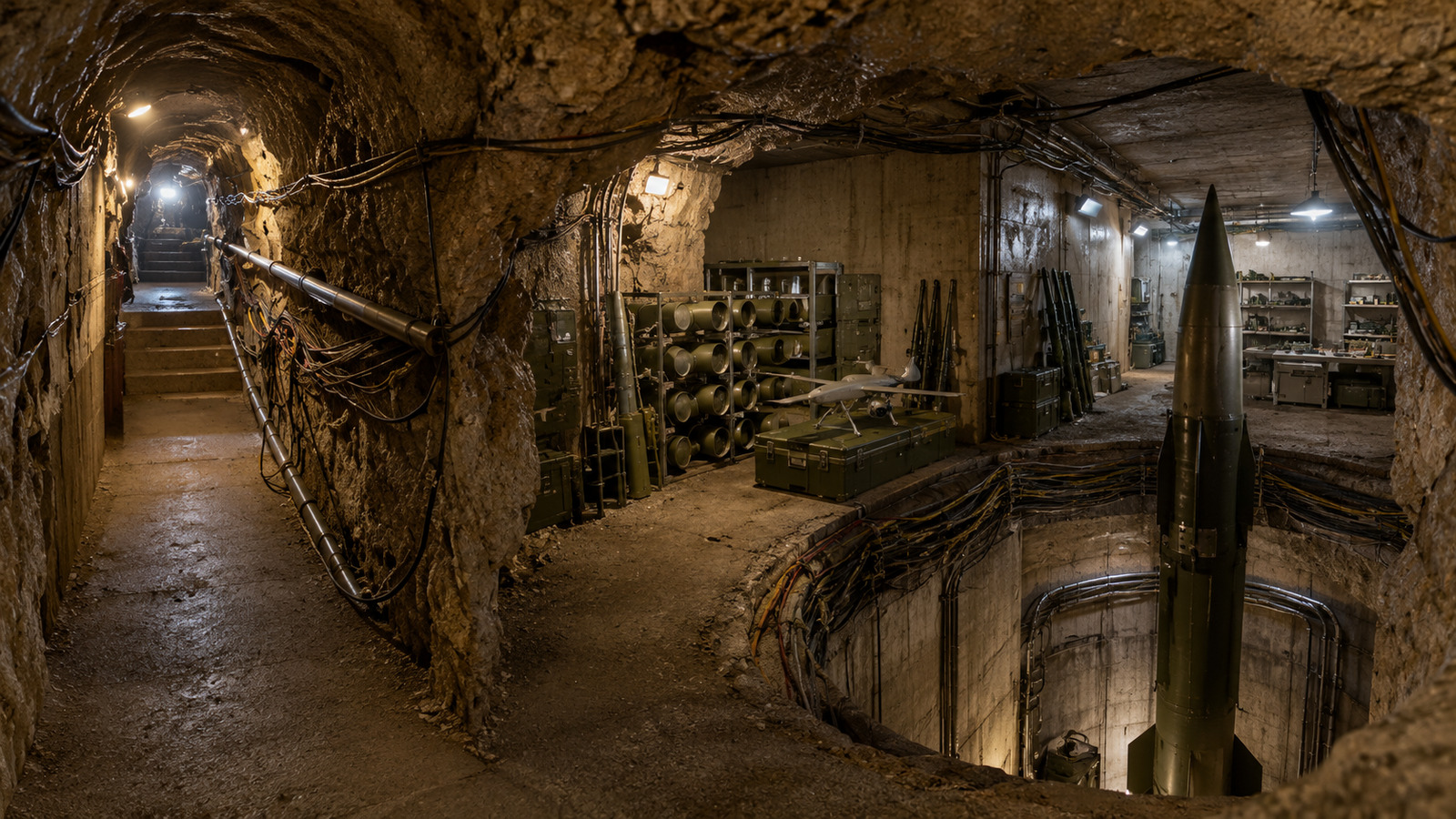
Israel finds Hezbollah militarized tunnel over 200 meters long under village, with 4 missile launch shafts, 12 chambers, anti-tank missiles, drones, and weapons depots at a depth of 25 meters.

-
Ukraine launches largest drone attack on Moscow since 2022, Russia claims to have intercepted nearly 200 aircraft near the capital, Kapotnya refinery targeted again, and offensive reignites alert about war reaching the Russian energy heart just a few kilometers from the Kremlin.

-
Truck drivers, freight, and fines from 2022 take center stage in politics: Chamber approves MP with amnesty, mandatory tracking by CIOT, million-dollar penalties, and new minimum wage for those who spend more than 24 hours on the road.

-
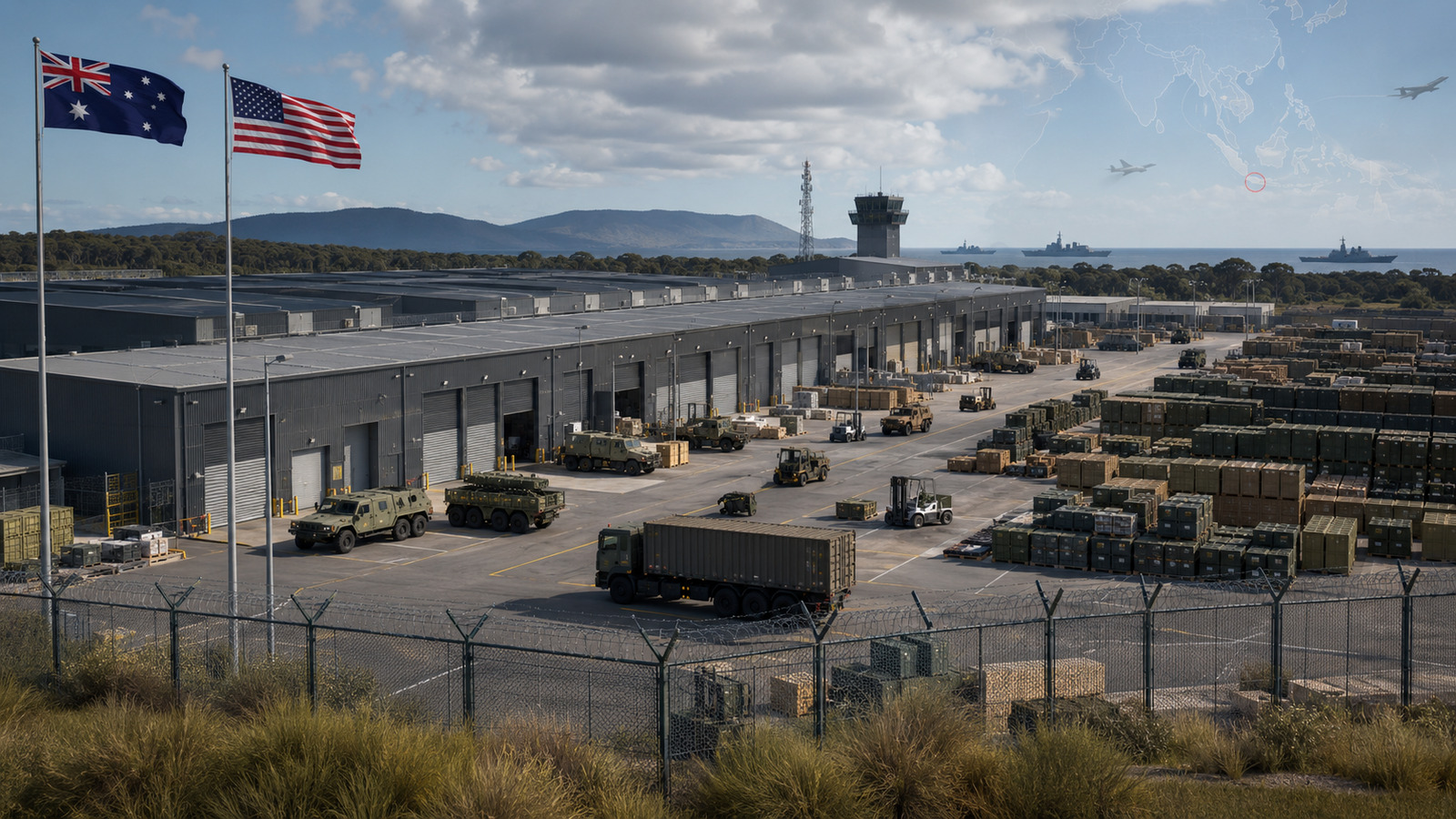
China off the radar: US plans mega $30 million weapons depot in Australia, out of reach of most Chinese missiles, with full capacity expected by 2028


In addition, Tusk emphasized: “Poland will fulfill its obligations to NATO”, reinforcing the commitment to collective security. At the same time, the country is advancing in purchases of tanks, Apache attack helicopters, and Patriot air defense systems.
Drone Incursion in Airspace
In the early hours of September 10, 2025, 19 Russian drones were detected in Polish territory during attacks against Ukraine. The Ministry of the Interior confirmed that 16 drones crashed in different regions.
As a result, the response was immediate. Polish F-16s, Dutch F-35s, Italian AWACS surveillance aircraft, and NATO refueling aircraft sprang into action. In light of the incident, Warsaw invoked NATO Article 4, used in situations of direct threat.
Tusk classified the air invasion as “a large-scale provocation”. On September 11, Poland restricted air traffic in the east until December 9 and announced that the UN Security Council would discuss the case in an emergency meeting.
Zapad-2025 Increases Regional Tension
On September 12, 2025, Russia and Belarus began the Zapad-2025 military exercises, mobilizing 13,000 soldiers in areas near the Polish border. The maneuvers included simulations with nuclear weapons and the hypersonic missile Oreshnik.
However, NATO contested the numbers presented by Moscow, stating that the Kremlin is dividing large operations into smaller maneuvers to avoid the rules of the Vienna Document, which requires notification for exercises involving over 9,000 military personnel.
Therefore, Poland responded by mobilizing 30,000 soldiers at the borders with Belarus and Kaliningrad, as declared by Deputy Minister of Defense Cezary Tomczyk to Polsat News. Additionally, Tusk announced the closure of border crossings with Belarus, including railways, for national security reasons.
Military Escalation Since 2014
This offensive is part of a process that began in 2014, when Russia annexed Crimea. At that time, Warsaw understood that it needed to rapidly expand its defense capacity.
Since then, the country doubled the size of its armed forces to over 200,000 military personnel and tripled the military budget in real terms. Currently, Poland ranks third in NATO military personnel, behind only the United States and Turkey.
According to the British newspaper The Economist, only the United Kingdom, France, and Germany spend more in absolute terms. However, Poland leads when observing the percentage of GDP allocated to defense.
Strategic Alliances and Billion-Dollar Purchases
In recent years, Poland has entered into agreements with the United States and South Korea, totaling over US$ 60 billion in military acquisitions. Among the items acquired are South Korean K2 tanks, K9 howitzers, and multiple launch rocket systems.
For former Defense Minister Mariusz Błaszczak, this stance represents a direct message to the Kremlin: “There will be no stronger country in Europe in artillery and armored troops”.
In addition, the current Defense Minister and Deputy Prime Minister, Wladyslaw Kosiniak-Kamysz, told The Economist that failing to invest in security would be “a historical and tragic failure” in light of threats coming from Eastern Europe.
The Military Future of Poland
With all these investments, Poland is leaving behind the status of a secondary nation in defense and is consolidating itself as one of the main military pillars of NATO in Europe.
Thus, the country bets on technological modernization, reinforcement of borders, and strategic alliances to face possible Russian threats and ensure its sovereignty.
However, given such high expenditures, an inevitable question arises: to what extent can Poland maintain this pace without compromising its internal economy?






-

1 person reacted to this.