Portuguese
  Spanish


Luiz Weber founded LW Soluções Metálicas in 2010, saw the business take off with a budget for a soybean terminal, and today has 530 employees working within the largest terminals and fertilizer industries in the country
LW Soluções Metálicas, from Rio Grande do Sul, has been doubling in size driven by demand from agribusiness industries, and aims for R$ 600 million in contracts building structures for companies like Yara and Mosaic, according to AgFeed, in an exclusive interview published on July 8. The company was founded in 2010 by the “almost gaucho” Luiz Weber, who was born in Rio de Janeiro, arrived in Rio Grande at the age of 3, and began his career serving the naval and energy industry in Rio de Janeiro.
The numbers of the leap are impressive: LW expects to reach at least R$ 200 million in contracts by 2026, which means doubling in size compared to the previous year, repeating the 100% growth already recorded in 2025, according to AgFeed. And all this in a market where deliveries of fertilizers grow less than 10% per year.
The budget for a soybean terminal that changed the company
The turning point for LW has a date and client. With relationships at the Port of Rio Grande, Weber made his first budget for a soybean terminal for CCGL, the Central Gaúcha Cooperative, and the project transformed the business, according to AgFeed. “It was there that we professionalized the company, which still had a small team, to handle this specific project, and we decided to set up headquarters in Rio Grande,” the founder said in the interview.
-
He went bankrupt with the first app, started over with $40,000 and 2 employees, bought 50 “forgotten” internet brands like Evernote and AOL, and debuted on the stock market valued at R$ 130 billion, with shares rising 40% in one day.

-
Almost 4 in 10 Brazilians have already experienced fraud or attempted fraud, and the company that “sells trust” for 30 years uses biometrics and 3D proof of life to expose deepfakes, aiming for R$ 350 million in 2026.

-
Brazil’s North-South Railway to Auction Two Grain Terminals in Central Tocantins

-
Trump’s 25% Tariff Threatens Brazilian Products: WEG, Portobello, and Schaefer Lobby in the U.S. to Protect Exports and Jobs from Chinese Competition


The decision was made due to the demand from other companies in the port industry, mainly fertilizers. The services, which initially were limited to engineering, were expanded to include warehouse assembly, industrial metal structures, industrial mechanics, and maintenance, and in 2021 LW set up its first factory in Rio Grande, with 500 square meters, still according to AgFeed.
530 employees within the giants, and even a metro station in the curriculum
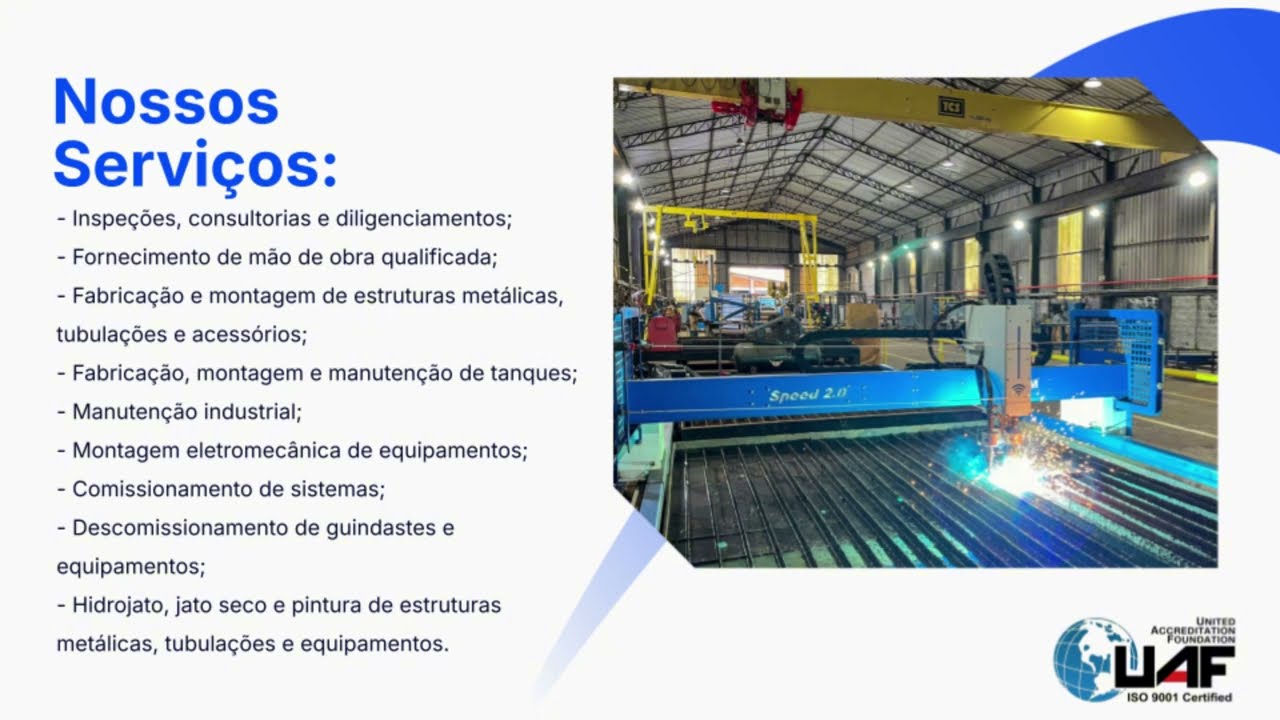
The current size of the operation is shown in detail. “With CCGL we work to this day and each year we took on more projects, more work. Today we have 530 employees working within Termasa itself, one of the largest terminals in Rio Grande, of Yara Fertilizers, of Mosaic, outside of Rio Grande, in Paranaguá, Pará, and Rio de Janeiro,” revealed Weber to AgFeed.
Diversification also moved beyond the port: LW was responsible for assembling the Santo Amaro station in the São Paulo subway construction project, according to AgFeed. Even so, agribusiness today represents between 60% and 70% of revenue, driven by demand from the fertilizer sector, including Yara, Mosaic, and Fospar, in Paranaguá.
Why the company doubles in a market that grows 10%
The question is inevitable, and the answer lies on the other side of the world. Geopolitical concerns, with logistical challenges like the one that occurred this year in the Strait of Hormuz, have led the fertilizer industry to invest more in its own storage capacity, which multiplies orders for warehouses and structures, according to AgFeed. The fear of product shortage turned into work at the port.
There is also a silent driver: maintenance. “In fertilizers, there is a constant demand for maintenance. Every metal structure, in the middle of fertilizers, has a very low lifespan. There is all the transportation of raw material, the equipment inside, they are metallic. So we are quite involved in these annual maintenances,” stated Weber in the interview. LW’s projects are smaller in scale compared to larger companies in the sector, like Kepler Weber, but both sides sometimes work together on larger projects, notes AgFeed.
The new factory: 4 times larger and production almost tripled
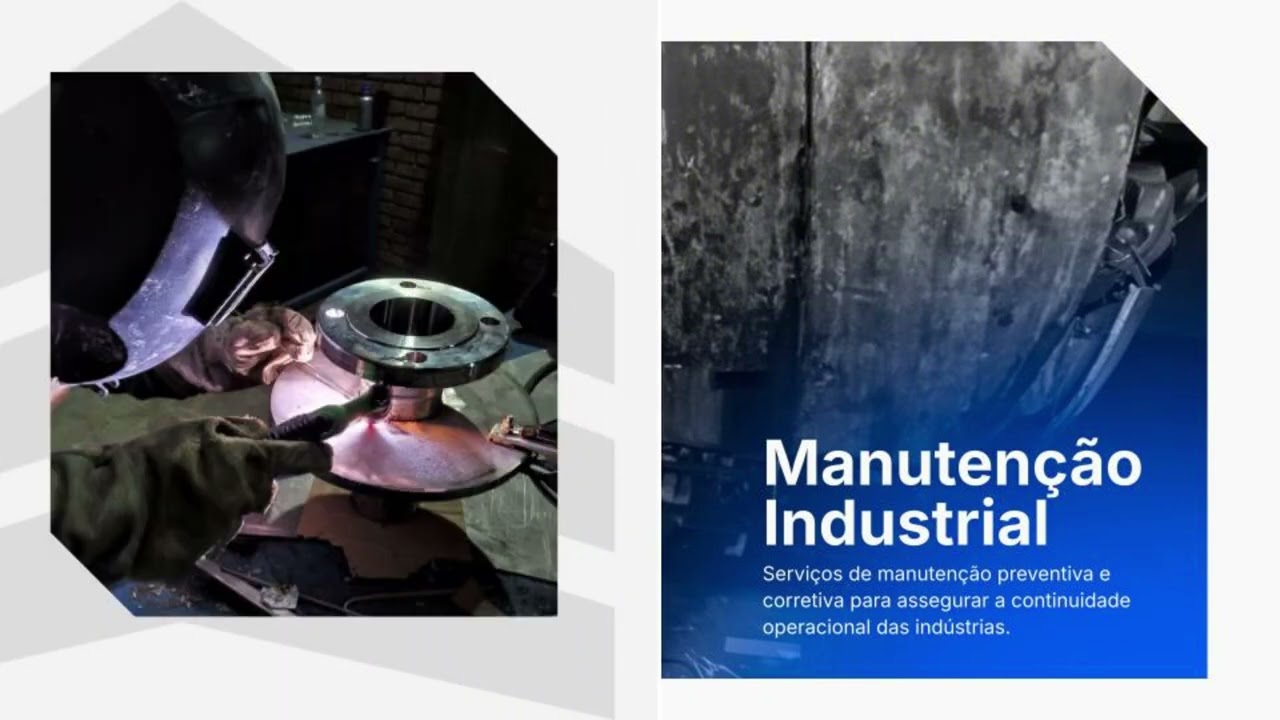
Growth demanded a headquarters to match. LW is building a new industrial headquarters with an investment of R$ 14 million and 20,000 square meters, 4 times larger than the current one, which will increase production from 150 to 400 tons of metal structures per month, according to BRA 1, which also recounted the company’s history.
The modernization comes with technology from outside and inside: “We are already importing some equipment from China for the new factory and implementing technology to be developed by the university of Rio Grande (FURG) itself to automate processes,” said Weber to BRA 1. The company is also eyeing opportunities in the Midwest, in cities like Sinop, in Mato Grosso, and Três Lagoas, in Mato Grosso do Sul.
The bet on biofuels: a R$ 5 billion project in the neighborhood
The next opportunity might be just a few kilometers from the headquarters. Weber observes new investments in soybean terminals in the Rio Grande region due to a billion-dollar biofuel project led by a local company controlled by three national giants of energy and chemistry, with an investment estimated at over R$ 5 billion, according to AgFeed. The site has already processed soybean oil during a test period, and the investment decision is expected this year.
If confirmed, the plan is to produce advanced biofuels such as sustainable aviation fuel, SAF, and green diesel, HVO, still according to AgFeed. For a company that thrives on erecting and maintaining metal structures, a billion-dollar project in the neighborhood is the definition of being in the right place.
The goal: R$ 600 million by 2029, with R$ 400 million coming from agribusiness
The long-term plan is outlined. LW’s forecast is to reach a revenue of R$ 600 million by 2029, with about R$ 400 million of that total expected to come from agribusiness clients, according to BRA 1. It is the consolidation of a trajectory that started in the naval industry, moved through fertilizers, and reached grains, following the money circulating through the southern ports.
Here’s the observation from this editorial, duly noted: while Brazilian agribusiness breaks production records, those who build and repair the steel behind the warehouses have found a way to grow 10 times faster than the very sector they serve.
From the budget of a soybean terminal to the 20,000 square meter factory, the story of LW shows that sometimes the best agribusiness is not planting, but building where the harvest passes.
Tell us in the comments: do you think the industry behind agribusiness still has room to grow, or has the sector already reached its peak?