





 Portuguese
  English
  Spanish
  2 min of reading
  2 comments


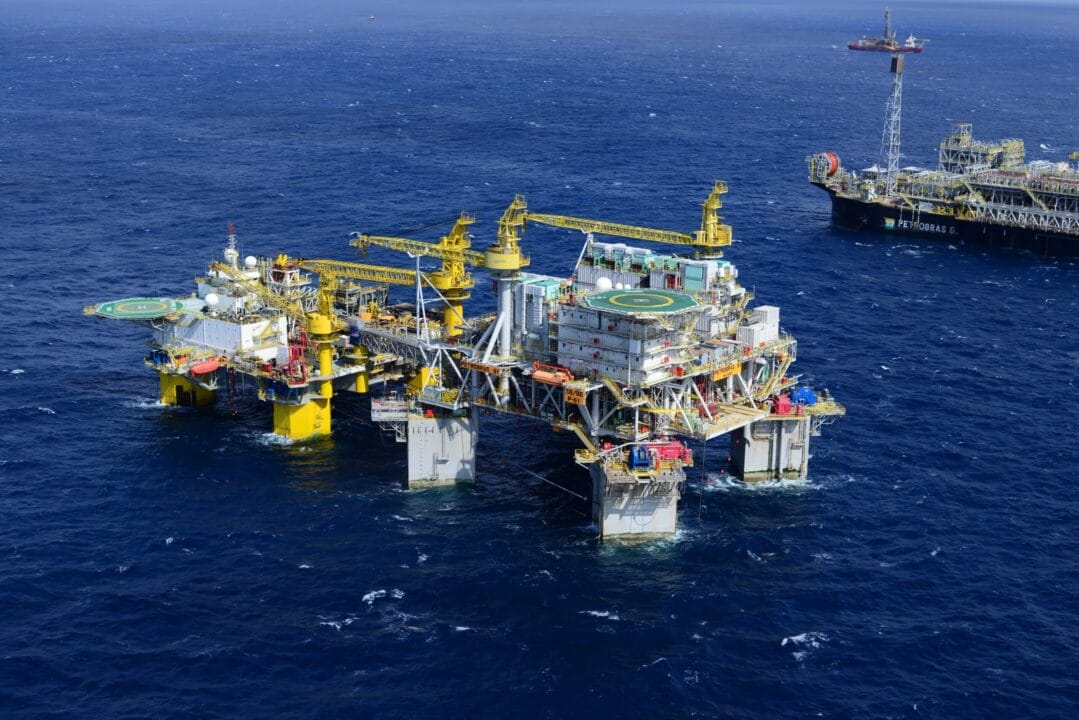
Petrobras Announced at a Lecture in Brasil Offshore That the Campos Basin and Surrounding Cities Will Be Completely Revitalized, Creating Jobs and Boosting the Economy in the Coming Years
Petrobras intends to implement 4 Oil Units in the Campos Basin Starting from 2018. The FPSO Cidade de Campos de Goytacazes is slated to first produce from the Tartaruga Verde and Tartaruga Mestiça fields. The Merlim field will also feature 2 brand new platforms. The Albacora field will also receive an additional platform to produce from the pre-salt.
Mauro Destri, who is the manager of the Complementary Projects area of the Campos Basin, stated that revitalizing the Marlim asset is a priority, as the project aims to produce oil and gas until 2052 if everything goes well, as announced in the presentation at the Brasil Offshore 2017 Fair(click here to see the event recap). Destri also added that while the global average decline in mature fields reaches 12%, the Campos Basin has an average of 9%, so if new technologies and investments are applied, more economic development for the cities of Northern Fluminense and the Lakes Region could be maximized.

Currently, Petrobras Produces About 1.3 Million Barrels of Oil Daily in the Campos Basin. This figure accounts for a colossal 64% of the company’s output.
-
A new survey shows that the circular economy is gaining traction among Brazilians, but the preference for conventional products still hinders the sector’s progress, affecting investments, green job creation, and long-term environmental goals.
-
A new survey shows that the circular economy is gaining traction among Brazilians, but the preference for conventional products still hinders the sector’s progress, affecting investments, green job creation, and long-term environmental goals.
-
A new survey shows that the circular economy is gaining traction among Brazilians, but the preference for conventional products still hinders the sector’s progress, affecting investments, green job creation, and long-term environmental goals.
-
Man built a 5-acre lake to raise bass, but after 1,000 days the project turned into a wildlife sanctuary with eagles, deer, ducks, owls, and live cameras that transformed the farm into a biodiversity laboratory.
Do you wish to work on these platforms in the future? Then click here to find out the step by step for your professional success in this field.


Be the first to react!