






 Portuguese
  Spanish


Free flow undergoes adjustment on highways of Serra Gaúcha and Vale do Caí, increasing the cost of passing through six automatic gantries and changing the travel costs for category 1 drivers on roads operated by CSG.
The free flow will become more expensive on the highways managed by Concessionária Caminhos da Serra Gaúcha, CSG, with an adjustment applied to the six automatic toll gantries located in Serra Gaúcha and Vale do Caí. The change affects category 1 drivers and alters the amount paid on important sections of the granted network in Rio Grande do Sul.
The tariff update was authorized by the State Agency for Regulation of Delegated Public Services of Rio Grande do Sul, AGERGS, in a meeting held on Monday, during the Ordinary Session No. 15/2026 of the Superior Council. According to the concessionaire, the annual adjustment was already foreseen in the contract, which enacts a new price table for those using the automatic toll system on these highways.
What changes with the free flow adjustment on CSG highways

In practice, the adjustment raises the cost of passing through the six automatic gantries operated by the concessionaire. This means that each crossing now has a higher value for category 1 drivers, which directly impacts those who frequently travel these sections in Rio Grande do Sul.
-
Brazilian Startup Turns Coffee Grounds into Plant-Based Leather, Cutting Water Use by Over 50 Times for High-Impact Sustainable Fashion

-
Eco Invest Auction Aims to Unlock $10 Billion in Investments, Focusing on Green Fertilizers, Critical Minerals, Batteries, and AI for Clean Industry in Brazil

-
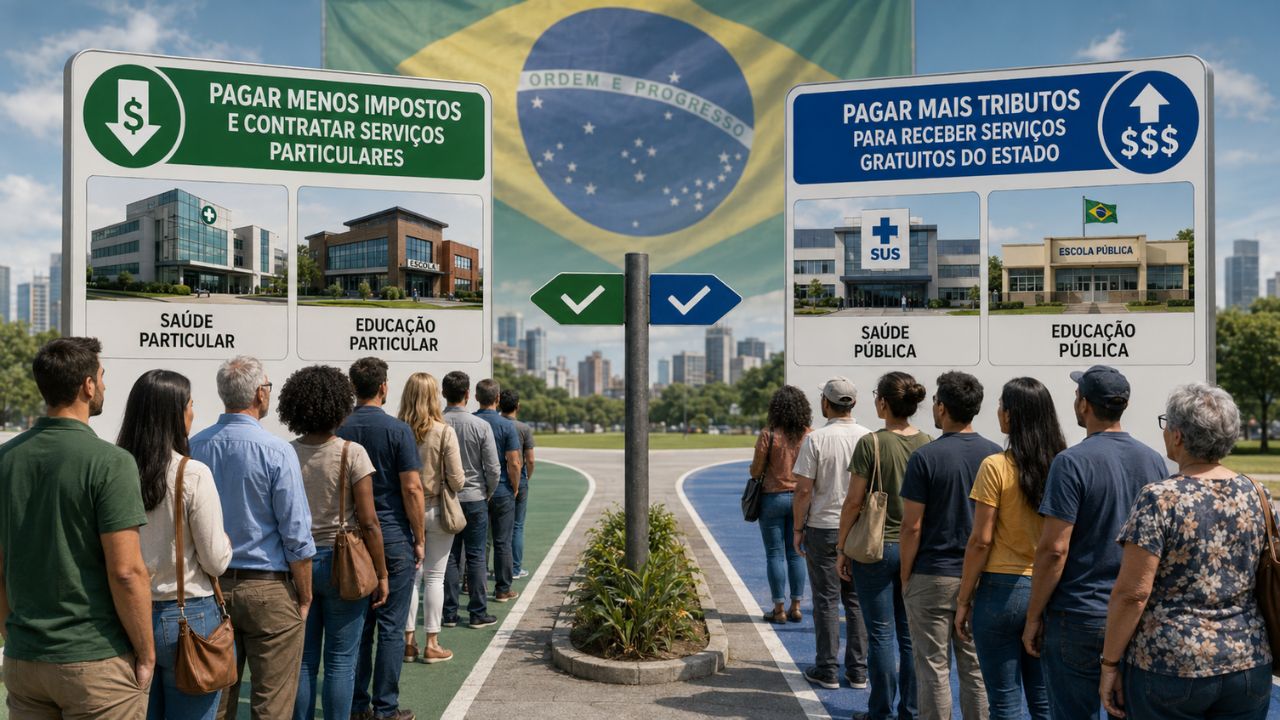
Half of Brazilians Prefer Lower Taxes with Private Health and Education, While 44% Opt for Higher Taxes for State-Provided Services, Datafolha Survey Reveals

-
Brazil’s Most Expensive Toll Rises to R$ 40.60 on Route from São Paulo to the Coast, Nearly Matching Bus Fare to Santos



The topic draws attention because the free flow differs from traditional tolls by charging automatically without the need for physical plazas with stops. Thus, any increase in values immediately affects the cost of travel, especially for those who make frequent trips between cities in Serra Gaúcha and Vale do Caí.
The new free flow values at each of the six gantries
The new category 1 prices will apply at the following automatic toll points:
In São Sebastião do Caí, on ERS-122, km 4.6, the tariff rises from R$ 13.00 to R$ 13.30.
In Antônio Prado, on ERS-122, km 108.3, the value goes from R$ 9.10 to R$ 9.20.
In Ipê, on ERS-122, km 151.9, the charge goes from R$ 9.10 to R$ 9.30.
In Capela de Santana, on ERS-240, km 30.1, the tariff increases from R$ 9.50 to R$ 9.70.
In Farroupilha, on ERS-122, km 45.5, the price rises from R$ 11.30 to R$ 11.50.
In Carlos Barbosa, on ERS-446, km 6.5, the value goes from R$ 10.40 to R$ 10.60.
Why the adjustment was authorized and how the values are defined
According to CSG, the free flow adjustment follows the rules established in the concession contract. The definition of new tariffs occurs within the annual mechanism provided in the agreement governing the operation of the granted highways.
The concessionaire also informs that there is oversight and approval by AGERGS. This means that the values are not applied in isolation by the company but within a regulatory process conducted by the body responsible for delegated public services in the state.
How to pay the free flow without a tag and without stopping on the highway
The driver can pay the free flow with an electronic tag installed on the windshield. In this case, the charge is made automatically to a checking account or credit card, without the need for additional action at the time of passage.
It is also possible to use the CSG FreeFlow app, available for free in virtual stores. Through it, the user can track passages, check statements, and make payments via Pix or credit card. On the concessionaire’s website, the driver finds the same functions, such as registering the license plate, checking passages, and settling outstanding amounts.
What changes for those who prefer in-person service
In addition to digital channels, CSG maintains nine service bases along the granted highways. These points are distributed in municipalities such as Ipê, Flores da Cunha, Farroupilha, Bom Princípio, São Sebastião do Caí, Capela de Santana, and Montenegro.
At the service kiosks, it is possible to make payments with debit and credit cards, even without prior registration. During business hours, according to the concessionaire, there is also the possibility of cash payment, which expands the options for those who use free flow and prefer to handle the payment in person.
What this means in practice for those traveling on granted highways
The adjustment of free flow represents a direct increase in travel costs for category 1 drivers passing through the portals of Serra Gaúcha and Vale do Caí. For those who frequently use these highways, the change may weigh more on the budget over time, especially on repeated routes.
As the system works with automatic billing, the impact is quickly felt. A driver who passes through more than one portal on the same trip will already notice the difference in the final sum of the values, making the adjustment relevant for residents, workers, transporters, and travelers who depend on these roads.
Why free flow has gained so much weight in the toll debate
The free flow has been drawing attention because it changes the traditional logic of tolls, replacing physical plazas with automatic vehicle passage reading. This makes the trip smoother but also requires greater attention from the user with registration, passage consultation, and payment of values.
When there is an adjustment, the discussion gains even more strength because the impact appears dispersed along the route. Instead of a single stop, the cost can be distributed across different portals, making it essential to monitor updated values to avoid surprises in the final travel bill.
Do you think the free flow system makes life easier for drivers even with adjustments that make the trip more expensive?


