






 Portuguese
  Spanish
  5 min of reading
  0 comments


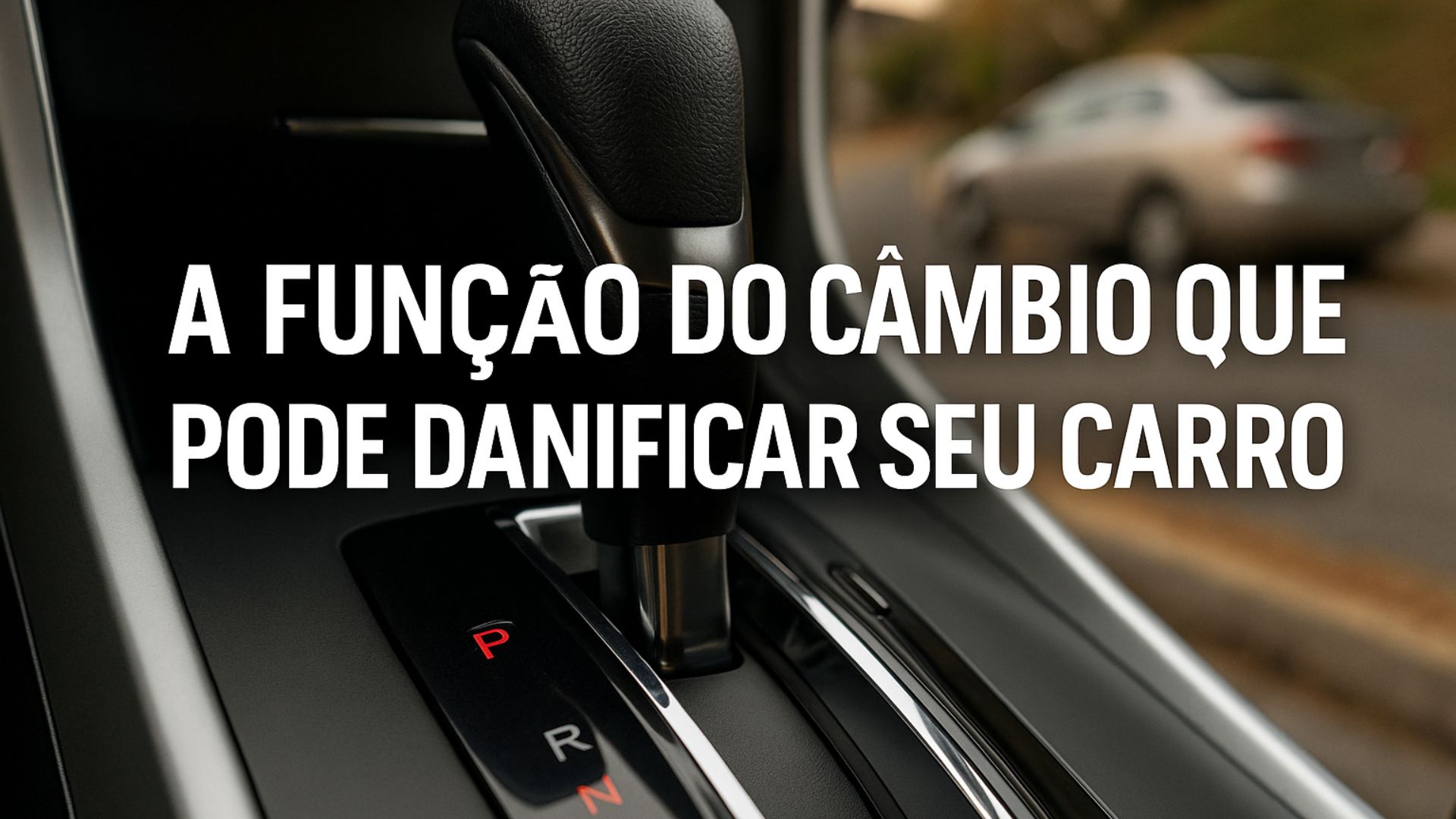
The Parking Function of the Automatic Transmission Seems Simple, But Hides Risks When Used Improperly. Technical Details and Recommendations from Experts Show How to Avoid Costly Damage and Preserve the Vehicle Transmission.
The P position of the automatic transmission is a mechanical lock designed to immobilize the vehicle when it is already stopped.
Used outside this context — especially with the car still in motion or as a substitute for the parking brake — it can transfer undue forces to the transmission and cause costly damage.
Industry experts and guidance from manufacturers emphasize that the feature should be applied cautiously and in the correct sequence of maneuvers to prevent the weight of the vehicle from resting on sensitive internal components.
-
The War of Jenkins’ Ear: How a Severed Ear Sparked One of the 18th Century’s Most Unusual Conflicts

-
The True Story of Beavers Parachuted into Idaho: A Post-WWII Mission Using Planes and Special Crates to Relocate 76 Animals to a Remote U.S. Region
-
Trailblazing Brazilian Mother of Three Becomes First Woman to Drive BYD Electric Truck, Inspiring Her Daughter to Follow Suit

-
6-Year-Old Boy Finds 1,000-Year-Old Viking Sword During School Activity in Norway


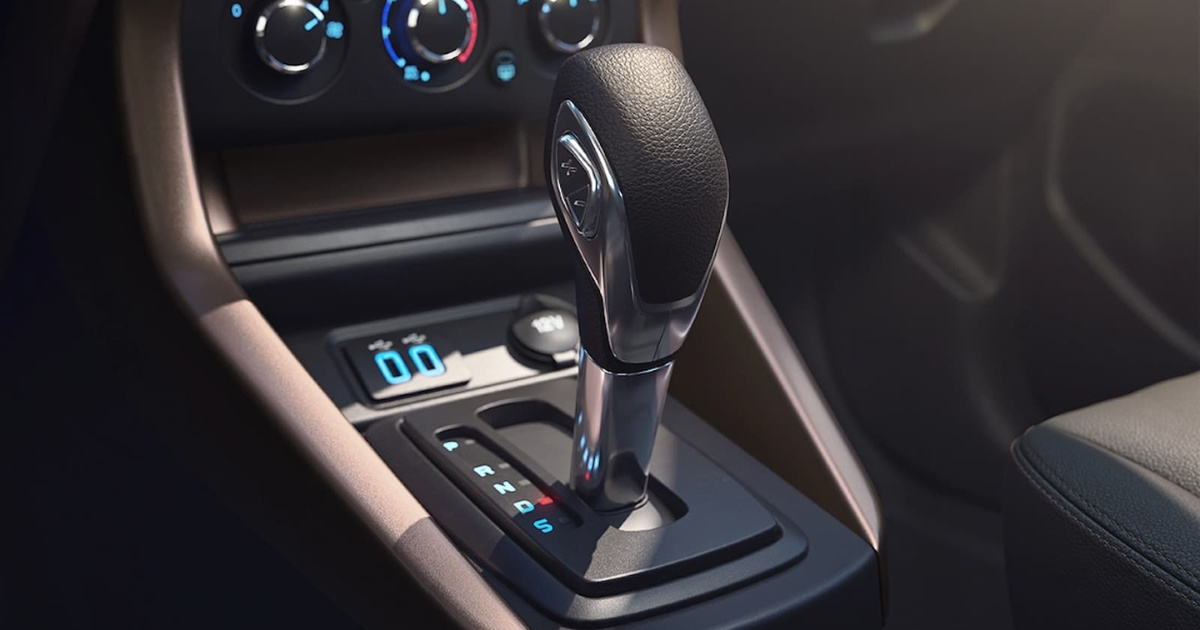
How the P Position Works in the Automatic Transmission
When selecting P, an internal mechanism known as the parking pawl engages a pin into a gear coupled to the output shaft of the transmission.
This engagement blocks the rotation of the assembly and prevents the vehicle from moving through the transmission.
This is not a braking system for the wheels, but a lock of the powertrain.
For this reason, any effort of the vehicle trying to “move” — due to incline, pushing, or inertia — acts directly on this pawl.
According to technical material from Street Smart Transmission, a company specializing in automatic transmissions, the assembly is designed to keep the car stationary when the selection has been made with the vehicle immobilized.
If there is movement at the moment of engagement, the collision between the pin and the gear can chip teeth, deform the piece, or break it, compromising the entire transmission.
The recommendation is simple: engage P only after the vehicle is completely stopped.
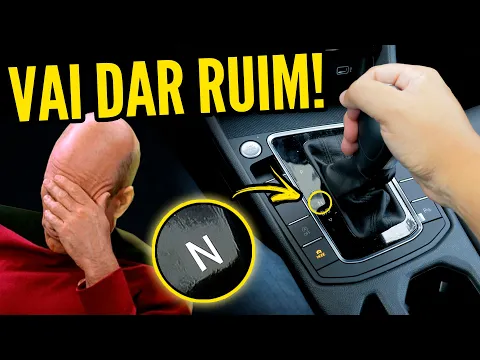

When to Use the P Position Safely
The function is intended to be used when finishing driving and exiting the car.
Proper use involves immobilizing the vehicle with the brake pedal, engaging the parking brake, and then selecting P.
In this order, the weight of the vehicle is supported by the braking system, not the transmission.
On flat roads, the risk of overload is lower, but the guidance remains valid as it reduces unnecessary stresses on the assembly.
According to guidance released by Ford Mexico, leaving the weight of the car supported by the internal pawl — a common situation when engaging P before applying the parking brake — accelerates wear on the transmission and can lead to component failure.
This alert is especially relevant for vehicles parked in visibly inclined locations, where the tendency for the car to “pull” on the transmission is greater.
P on Ramps and Hills: Locking and Overloading
On ramps and hills, careless use of P brings two frequent problems.
The first is overloading on the locking mechanism.
The second is the locking of the selector, as supporting the weight of the vehicle on the pawl may make the lever difficult to move when exiting P.
This requires above-normal force and increases the risk of damage.
Street Smart Transmission stresses that, on declines, it is preferable to prioritize the parking brake to hold the car, resorting to P only after the vehicle is secure and not tending to roll.
This way, the transmission remains unloaded, and the selector retains smooth operation.
This practice prevents the feeling of a “stuck” lever when trying to switch back to R or D.
Correct Sequence for Parking Without Damaging the Transmission
Upon arriving at the stopping location, keep your foot on the brake until the car is immobilized.
Engage the parking brake to support the weight of the vehicle.
Then, select P and turn off the engine.
On ramps, visually confirm that the car remains stationary supported by the brake.
If there is any movement, reinforce the activation of the parking brake before touching the selector.
This sequence reduces vibrations and avoids impacts on the pawl and the gear of the assembly.
In vehicles with electronic parking brakes, the logic is the same.
First, immobilize with the pedal, then engage the electronic brake, and lastly, shift into P.
In both cases, the transmission should not be the component responsible for “holding” the vehicle in place.
What Not to Do with the P Position
Some practices significantly increase the risk of damage.
Do not engage P while the car is in motion, even at low speed.
Do not use P as if it were a handbrake in quick stops.
Do not let the vehicle support its weight on the transmission assembly on hills, especially when the wheels have not yet been secured by the parking brake.
And do not try to force the lever if it is “stuck” when exiting P.
In this case, relieve the load by applying the parking brake, release the pressure from the transmission, and only then move the selector.
Additionally, avoid rocking the car between D and R to “release” locks after using P on declines.
This maneuver multiplies the load on the powertrain and can worsen the problem.
Procedures such as chocking the wheels on steep inclines also help preserve the system, especially in heavy vehicles or when the surface offers little grip.
Why Caution Avoids Losses
The pawl and gear associated with the P function are relatively small components compared to the total cost of the automatic transmission.
When they suffer impact or abnormal wear, the damage may require extensive intervention on the transmission, with costly repairs and long vehicle immobilization periods.
Therefore, prevention involves using P as a final lock, not as a primary brake.
Under normal conditions, the combination of parking brake and P applied in the correct sequence provides reliable immobilization without overloading internal parts.
In summary, the “parking mode” is a supplement to the braking system and does not replace it.
Care with the order of actions — brake, engage the parking brake, and only then shift into P — aligns with what experts like Street Smart Transmission report and the guidance from manufacturers such as Ford Mexico.
These simple steps reduce the risk of selector jams, avoid undue stress on the transmission, and preserve the vehicle’s operation over time.
Have you noticed the “hard” lever when trying to shift out of P on a hill or heard a click when engaging the position with the car still moving, and how do you plan to adjust your parking routine from now on?





-

1 person reacted to this.