





 Portuguese
  English
  Spanish
  4 min of reading
  0 comments


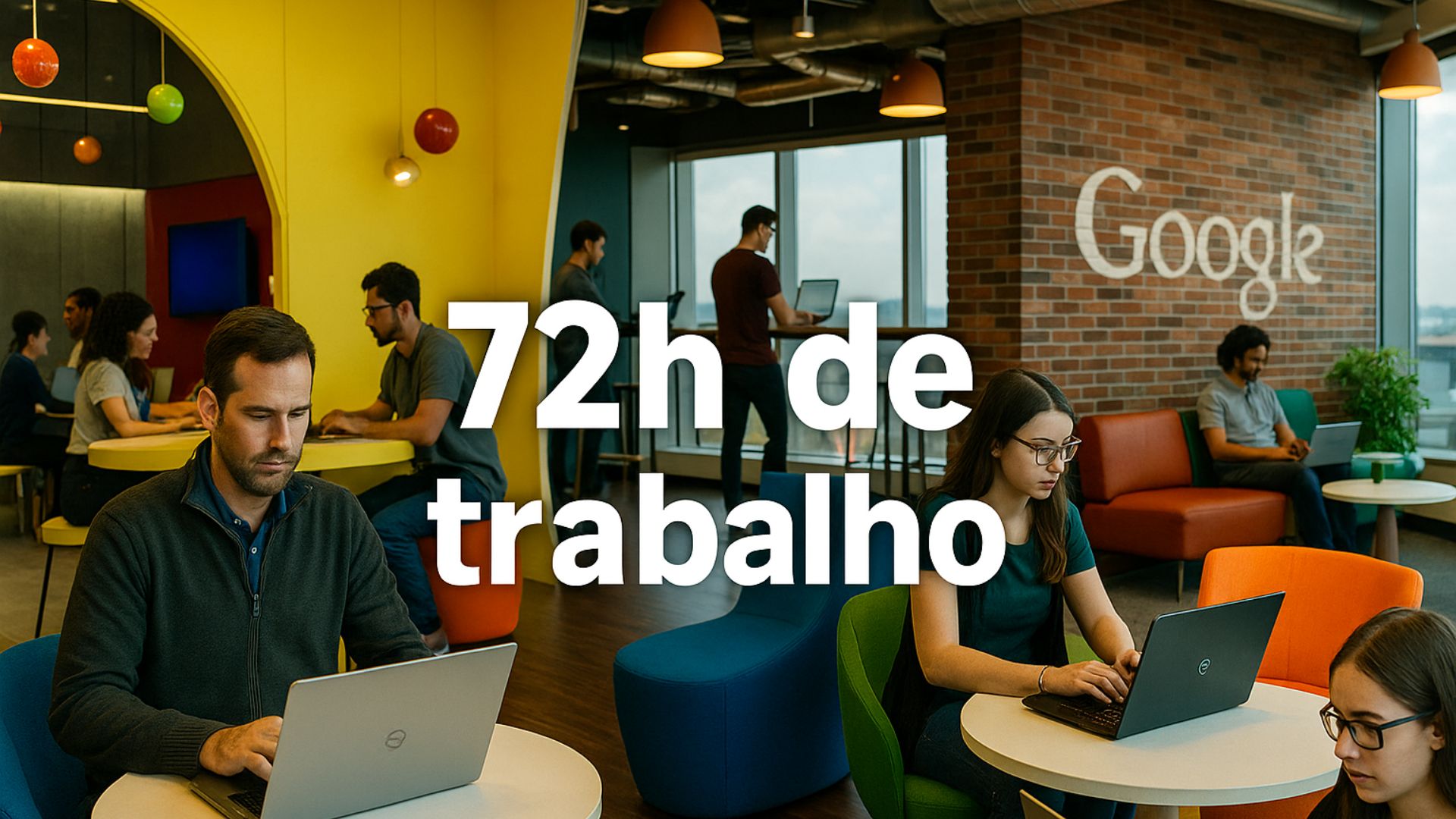
Eric Schmidt, Ex-CEO of Google, Rekindled the Debate on Productivity and Remote Work by Praising the Chinese “996” Routine and Saying That Comfort and Personal Balance Would Be Holding Back Innovation in Large Tech Companies.
Eric Schmidt, former CEO and former chairman of Google, rekindled the debate on remote work and productivity by citing the “996” routine from China — 12 hours a day, six days a week — as a reference for discipline in technology.
In a recent conversation released by the All-In podcast, he stated that “working from home won’t win in tech” and that winning requires “trade-offs” in the balance between personal and professional life.
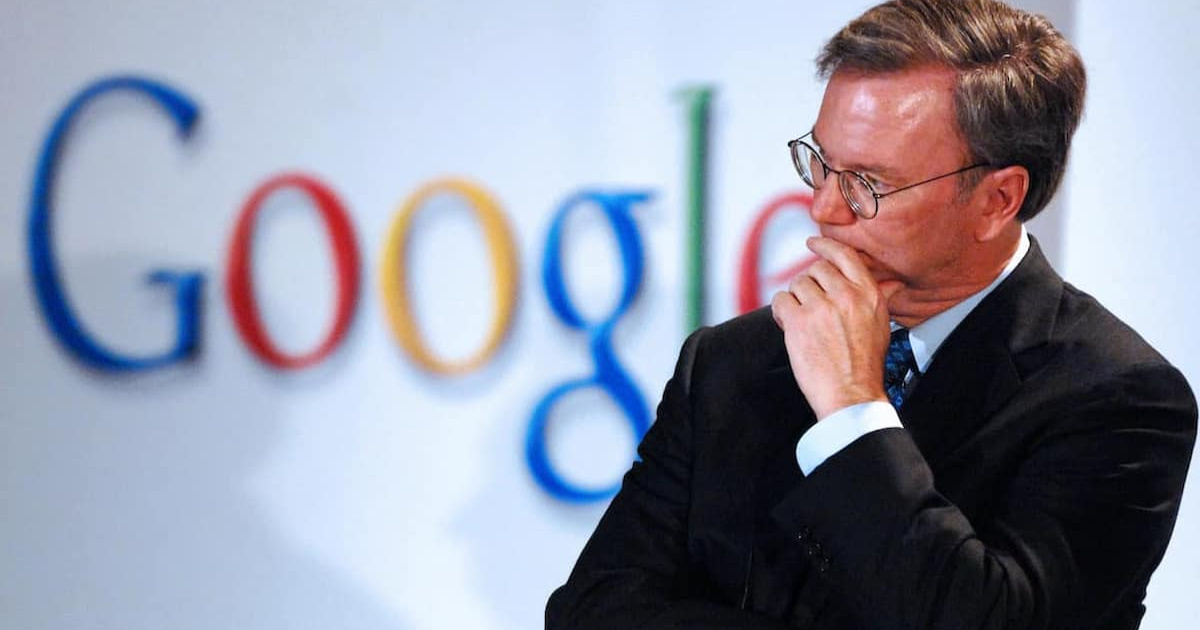
Schmidt Targets the “996” and Criticizes Working from Home
By comparing Silicon Valley with China, Schmidt argued that American companies lose speed when prioritizing comfort, while Asian competitors maintain a strong focus on execution.
-
The paycheck that seemed impossible: São José employee receives R$ 7.94 after legal strike, while deductions by the City Hall affect over a thousand employees and become a target of inquiry in the City Council.

-
With only R$ 50 in his pocket and a dream, the 26-year-old Tocantins native Willian Gomes left Tocantins and has already cycled over 4,000 kilometers towards Ushuaia, at the southern tip of Argentina, without accepting a single ride in eight months.

-
Pink lagoon of Torrevieja appears in NASA image as if it were an artificial structure, but impresses scientists by hiding a natural process formed by salt and microscopic life.
-
City in India turns trash into currency: 1 kg of bottles and plastic packaging becomes a full meal at the “trash café” that has already removed 23 tons from the streets and has become a weapon against hunger, pollution, and landfills.


According to him, the “996” practice — considered illegal in China but still influential in corporate culture — encapsulates the competitiveness of those “on the other side” of the rivalry.
“Remember, we’re competing with the Chinese; their ‘work-life balance’ is 996,” he said.
In his assessment, 100% remote environments hinder the training of younger professionals, who miss out on absorbing technical discussions, references, and mentorship that occur in the office in person.
Schmidt even sarcastically remarked that those seeking stability and a predictable routine should “work for the government,” emphasizing that, in technology, the rule is to chase results.
“Work from Home Won’t Win in Tech”: Phrase Rekindles the Cultural Dispute
Schmidt reiterated that “work from home won’t win in tech”, arguing that competition in artificial intelligence requires presence and a faster pace.
He cited his own experience early in his career when he learned by listening to veterans debate at Sun Microsystems, and questioned how to replicate that via video calls.
At the heart of the provocation is the idea that physical proximity shortens cycles, resolves conflicts faster, and speeds critical decisions.
Sergey Brin Had Previously Proposed 60 Hours for AI Teams
Months earlier, Sergey Brin, co-founder of Google, sent an internal message to AI teams advocating for about 60 hours per week as the “ideal point” of productivity and presence “at least” on all weekdays.
Brin linked the guidance to the race for AGI and the need to “turbocharge” the work pace, which sparked reactions from experts who warned of risks of burnout and decreased creativity when the workload is continuously extended.
Although Brin’s directive primarily applied to groups connected to Gemini and not to the entire staff, the message was interpreted as a signal that Google has raised the stakes in the competition with OpenAI and other rivals.
The discussion since then has exposed a well-known dilemma in technology: more hours do not always mean better performance, especially in knowledge-based jobs that rely on focus and quality of decision-making.

Old Friction: From the Retreat of 2024 to the Hardening of 2025
Schmidt’s criticism of remote work is not new.
In 2024, he attributed the loss of momentum for Google against startups like OpenAI to the encouragement to “go home early” and to flexibility.
Later, he backtracked and stated that he had “expressed himself poorly.”
However, in 2025, he resumed the hard line by saying that to “win,” it will be necessary to accept less comfort and more presence — especially for those starting their careers.
Competition USA vs China: AGI Versus Practical Applications
In Schmidt’s view, the United States and China compete for leadership in AI through different paths.
While Americans aim for AGI and ambitious projects, the Chinese industry appears to be gaining ground in everyday applications — from consumer apps to robotics — despite chip and capital restrictions.
For him, this practical focus, combined with intense workdays and rapid execution, could translate into a real competitive advantage.
Why the Office is Seen as an Asset
For the former executive, office culture serves as a strategic asset for four reasons: it accelerates cadence, fosters spontaneous mentorship, facilitates negotiation of impasses, and increases alignment among teams regarding priorities.
Under these conditions, he says, companies learn and correct their paths more nimbly than dispersed structures do.
On the other hand, full remote work, he claims, dilutes the informal transmission of critical knowledge and delays decisions that rely on non-verbal cues and trust built through interactions.
Internal Impacts and the Debate on Competitiveness
Schmidt’s and Brin’s statements exert pressure, directly or indirectly, on return-to-office and workload policies at Google and in the industry.
The advocacy for 72 hours per week as a competitive benchmark — echoing the “996” — raises alarms about legal limits, mental health, and talent retention in a market where engineers can migrate to companies with less rigid routines.
On the other side, proponents of physical presence see daily contact as the leverage to reduce rework, integrate teams, and expedite deliveries in AI.
As the discussion continues, a practical question arises for Big Tech: is it possible to combine high pace and well-being without sacrificing competitive advantage?
The answer is likely to vary by area, team maturity, and product phase, but Schmidt’s message is clear — in technology, he argues, convenience has a cost and, in his view, the results demand payment.
In light of this clash between productivity and quality of life, what should be the acceptable standard for hours and presence for AI companies to advance without exhausting their teams?








-

-

-

-

-

35 people reacted to this.