Portuguese
  Spanish


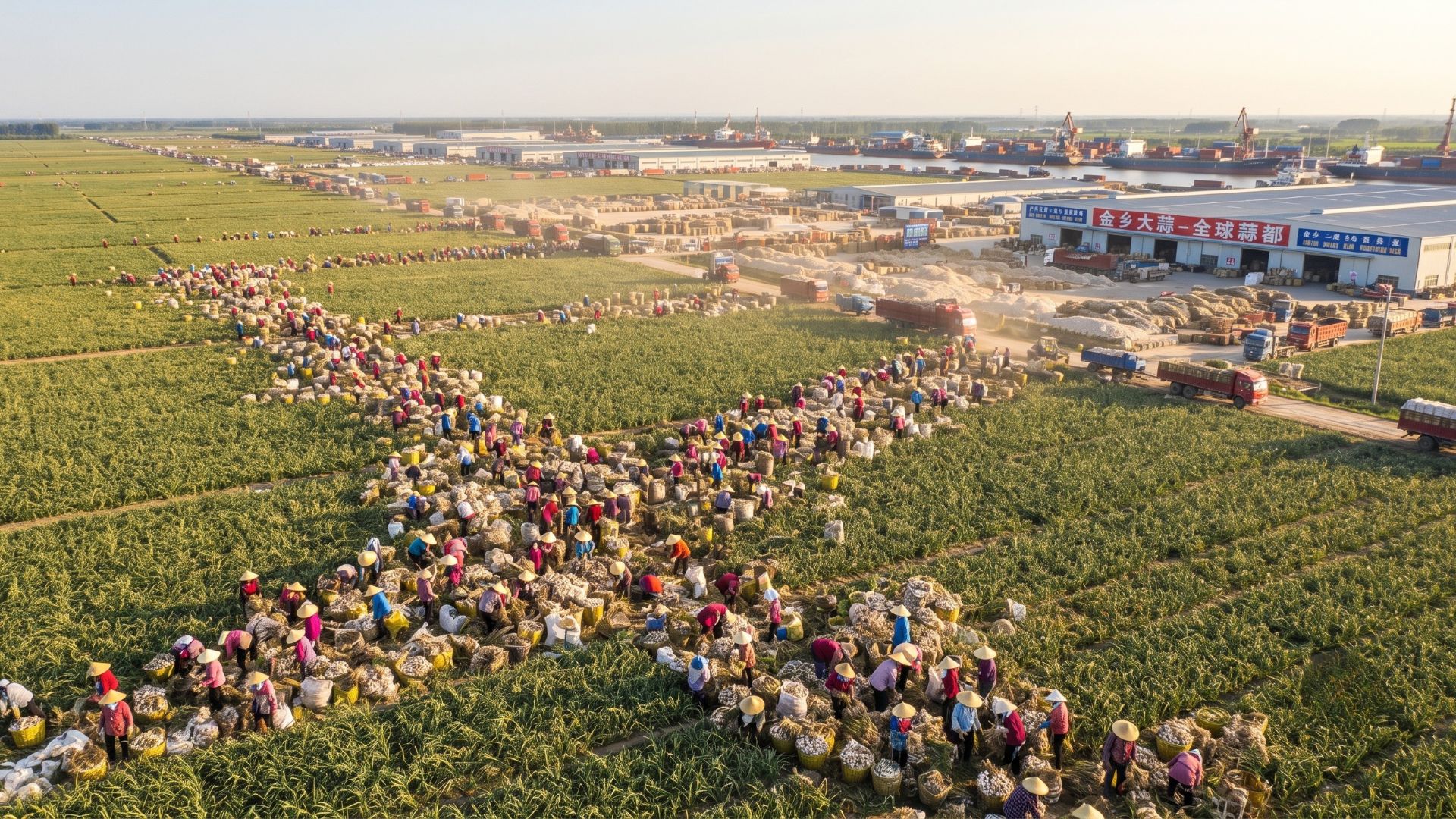

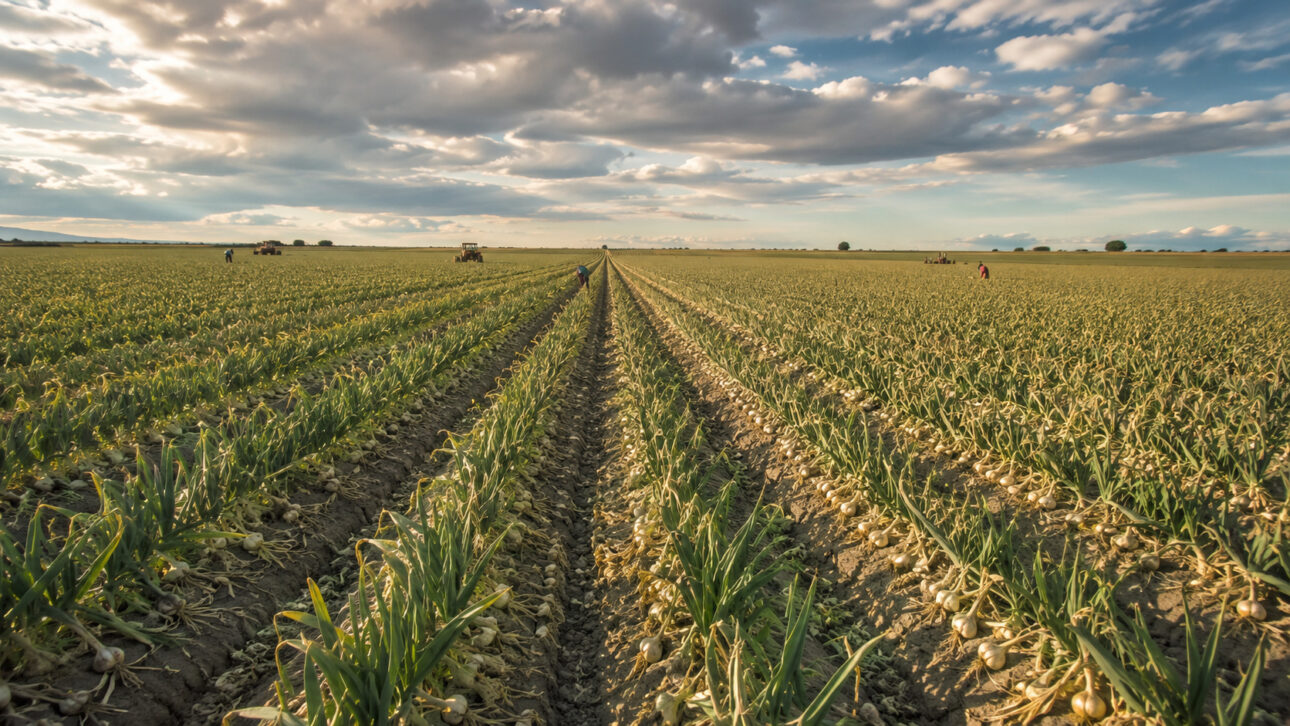
China leads the world in garlic production with 21.3 million tons per year, accounting for about 73% of the global harvest and dominating the international market.
In 2022, China produced 21,337,798 tons of garlic and established itself as the world’s largest producer of this crop, with a significant lead over all other countries. According to data from FAOSTAT, the statistical database of the Food and Agriculture Organization of the United Nations, the global garlic production in the same year reached 29,149,438 tons, placing the country with about 73% share of the world total.
The extent of this dominance becomes even clearer when the numbers are converted into a daily scale. Mathematically, China’s volume in 2022 equates to about 58.5 thousand tons per day, approximately 2,436 tons per hour, and just over 40 tons per minute, although the actual harvest follows the agricultural calendar and does not occur continuously throughout the year.
China dominates the world garlic production with a rare concentration in agribusiness
The numbers show an unusual concentration for a single agricultural crop. When a country accounts for almost three out of every four tons produced on the planet, the leadership becomes not just statistical but defines the structure of the global market.
-
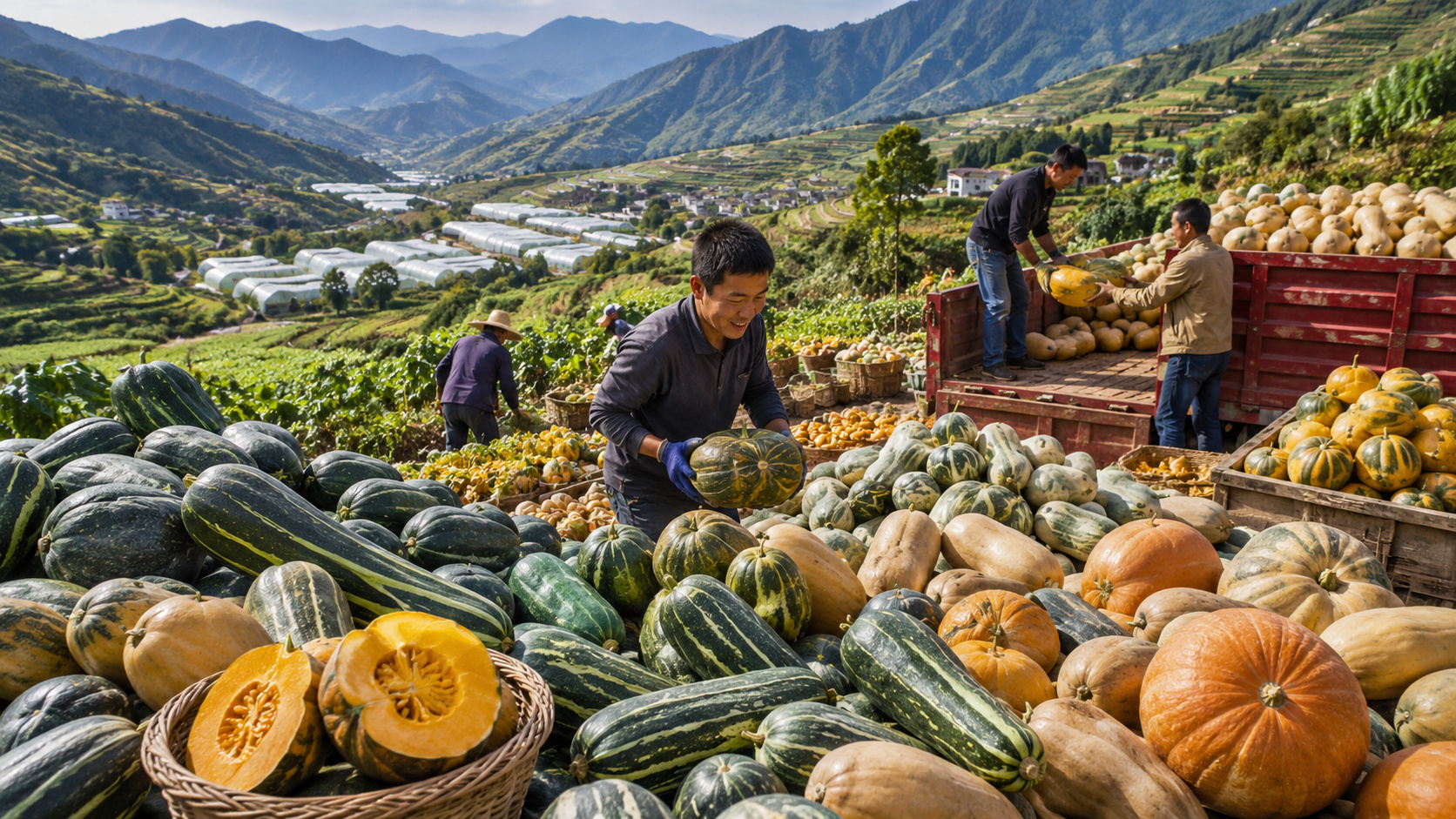
China harvests 7.37 million tons of pumpkins, zucchinis, and gourds in a single year, dominates 31.2% of global production, and transforms mountainous areas into export hubs.

-
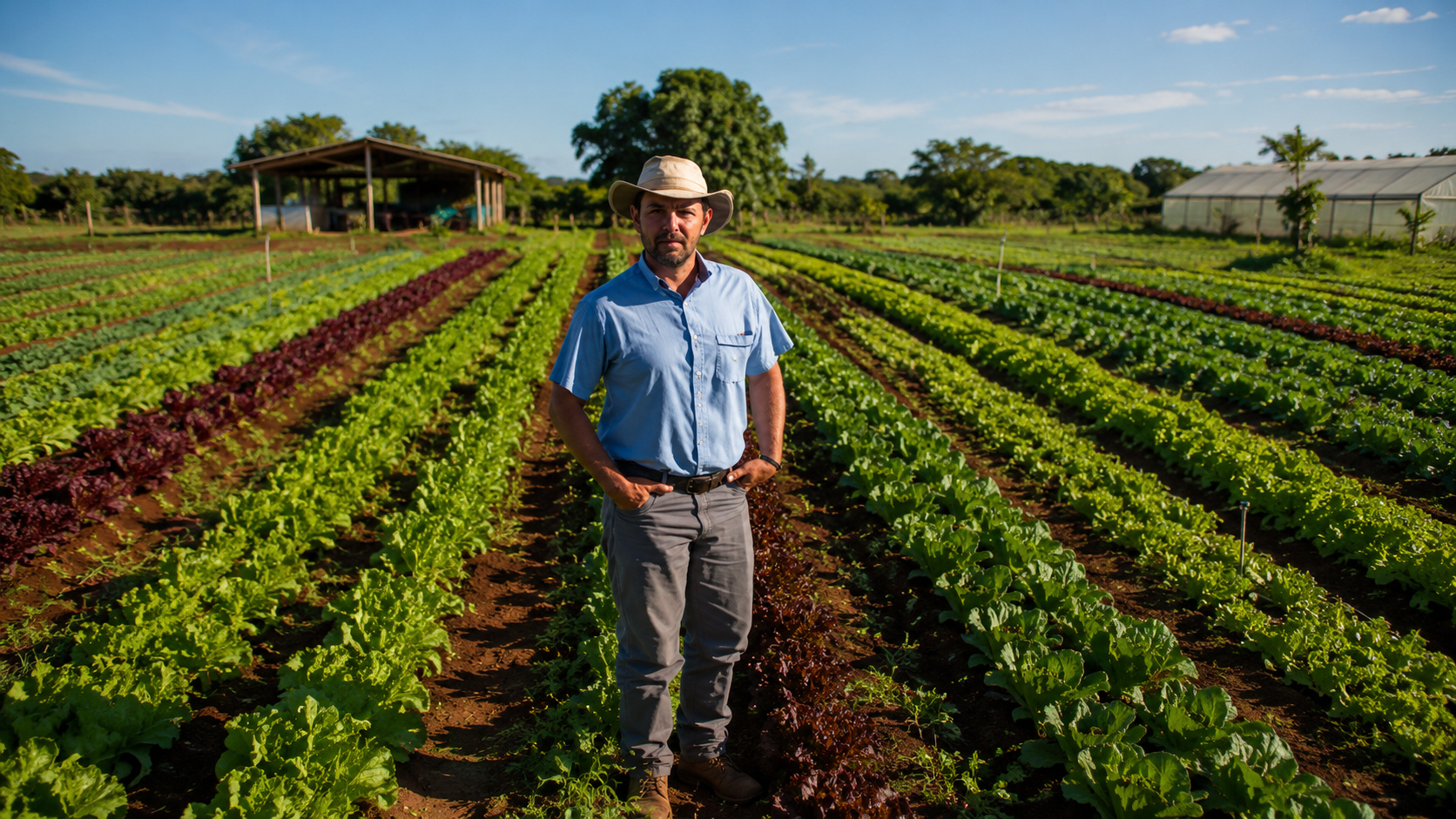
An executive left his career in the city to restore the family’s small property, started with an organic garden of just one thousand square meters, and transformed the land into a farm that supplies supermarkets, employs hundreds of people, and became a national reference in organic food.
-
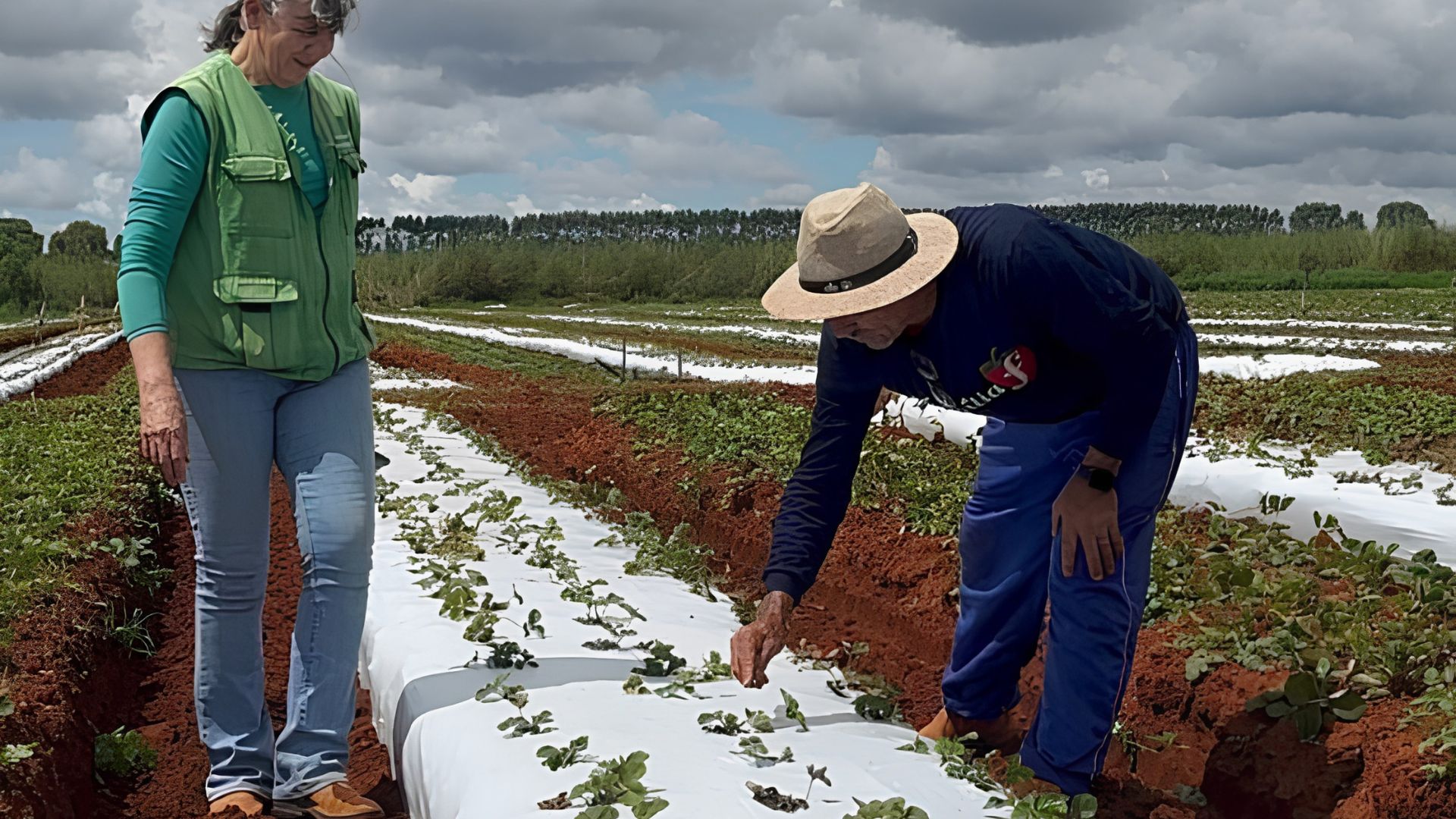
A couple escapes the city’s violence, starts from scratch on leased land, buys their own farm, invests in strawberry cultivation, and transforms the small production into a family business that keeps children and grandchildren working in the field.

-
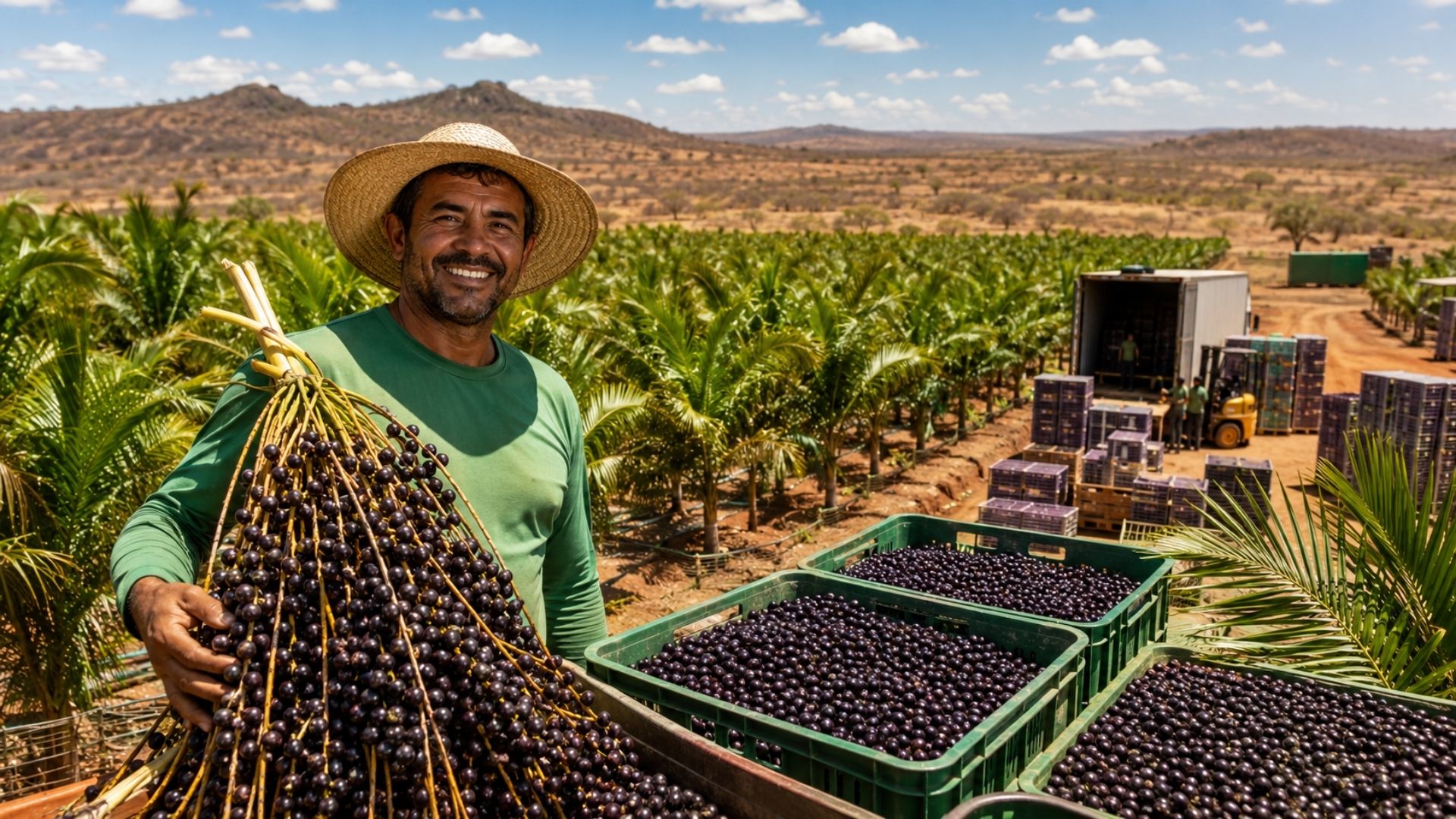
Without anyone betting that Amazonian açaí would catch on in Rio Grande do Norte, he brought the seedling from Pará, planted 80 hectares, and transformed the “unlikely land” into a business that harvests 280 tons of fruit and exports pulp to Italy, the Netherlands, and Kuwait, proving that the superfood from the North thrived in the semi-arid region.
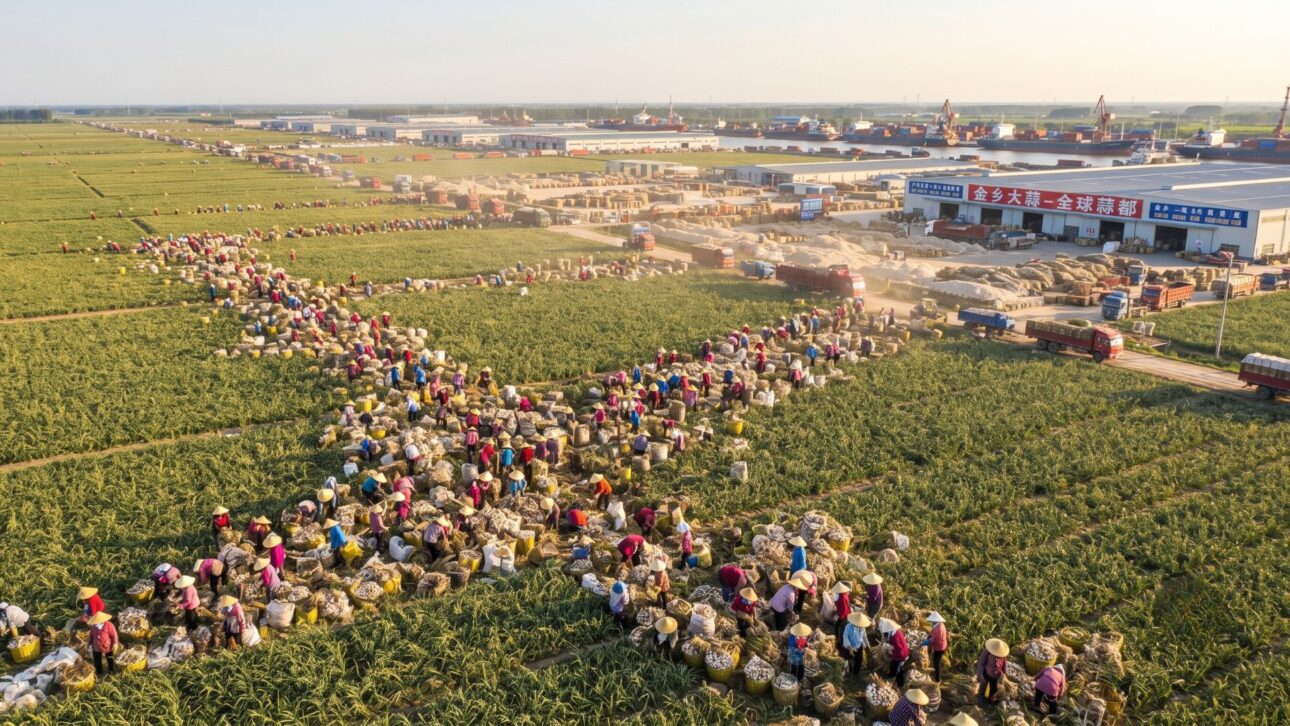
This position did not arise from an isolated harvest. It reflects a large-scale agricultural chain, supported by voluminous production, processing, storage, and the capacity to place large quantities of garlic in the domestic and external markets.
Chinese annual production equals more than 58 thousand tons of garlic per day
The division of the annual volume by 365 days of the year is just a mathematical exercise, but it helps visualize the size of the harvest. The average is about 58,460 tons per day, a number that alone surpasses the entire annual production of many countries.

When the same account is taken to the hourly scale, the result exceeds 2.4 thousand tons per hour. In minutes, the average surpasses 40 tons, a level that shows why China holds such a dominant position in the global garlic supply.
These values do not describe the actual harvest pace in the field, because cultivation depends on planting season, climate, and the window for bulb removal. Even so, they help to translate into concrete scale a volume that, on an annual basis, is already extraordinary.
China also leads the world’s fresh garlic exports
Besides dominating production, China ranks first in the international trade of fresh or refrigerated garlic. According to WITS, a platform linked to the World Bank based on UN Comtrade data, the country led the world’s exports of the product in 2024, with sales of US$ 3.15 billion and shipments of 2.353 billion kilograms.

This data helps explain why Chinese garlic appears so frequently in markets across various continents. The country’s strength lies not only in harvesting a lot but in being able to clean, dry, sort, pack, and distribute the product on a large scale for global trade.
Productive scale helps sustain China’s position in global supply
Chinese leadership does not rely on a single gigantic farm, but on a broad productive base, articulated with processing and logistics. It is this combination that allows the country to harvest in massive volume and, at the same time, maintain such a strong presence in the international market.
In practice, this makes China the main global reference when it comes to garlic. The weight of Chinese production affects prices, supply, trade, and the availability of the product in different regions of the world.
Garlic is an ancient crop and remains relevant for food and industry
Garlic is one of the oldest known agricultural crops. The USDA Agricultural Research Service reports that garlic grows wild only in Central Asia, a region identified as the center of origin for this species.

This long history helps explain why garlic has become a central ingredient in so many cuisines and also a raw material for dehydrated products, seasonings, pastes, and other derivatives. The strength of the current market combines food tradition with great industrial and commercial capacity.
China maintains a difficult-to-reach advantage in the global garlic market
The available data confirm that China remains far ahead of other global producers. With 21.3 million tons in 2022 and about 73% of the world’s production, the country occupies a position that few nations can achieve in such a widespread agricultural crop.
More than just a large harvest, this performance reveals a productive and commercial structure of continental scale. The result is a market where the Chinese presence has become not just strong but decisive for the global supply of garlic.