






 Portuguese
  Spanish
  3 min of reading
  0 comments


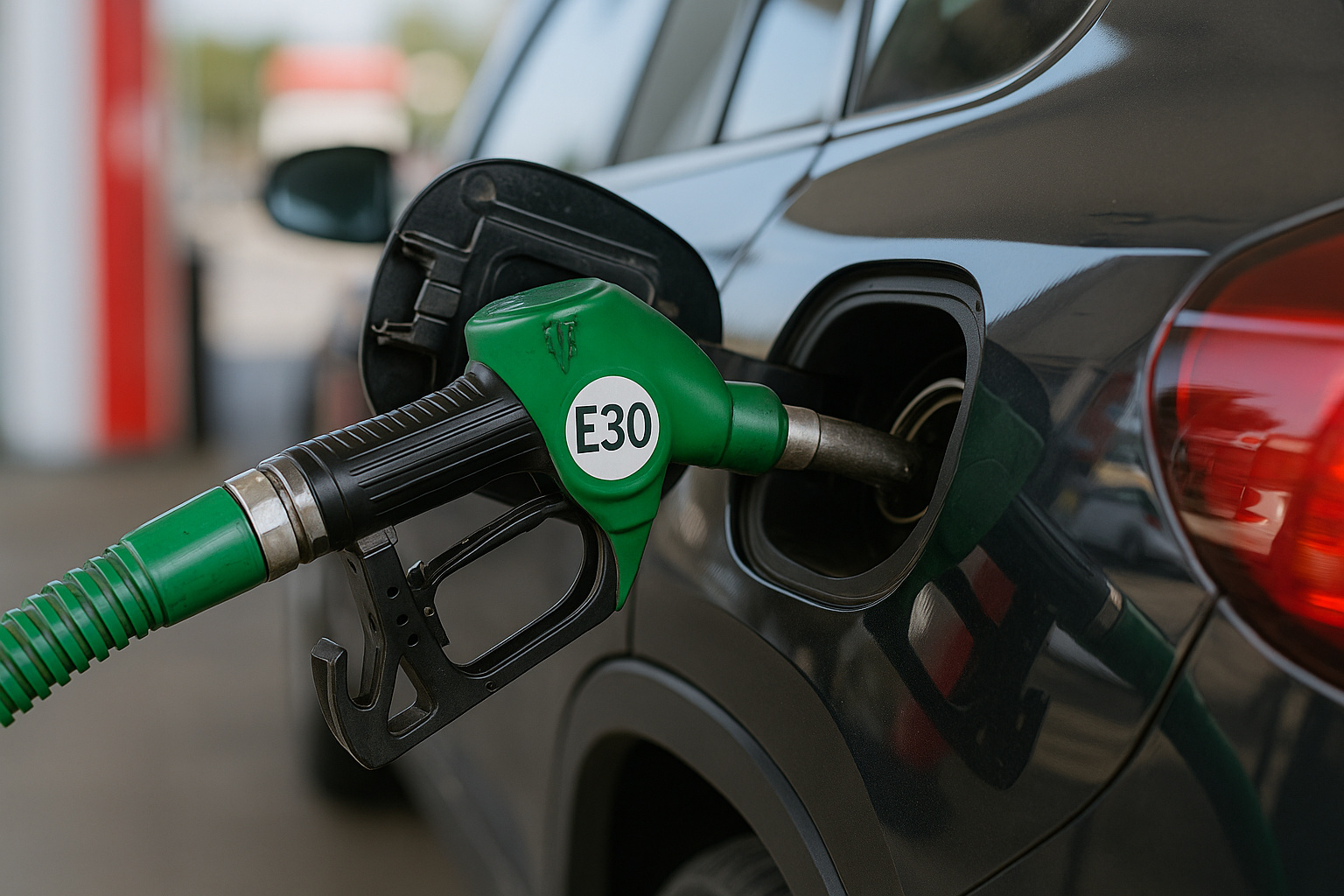
New Blend Aims for Price Stability and Strengthening of Domestic Biofuel Production
Since August 1, 2025, Brazil officially adopted E30 gasoline, a new formulation with 30% anhydrous ethanol in its composition, implemented in all national refineries.
The measure, approved by the Ministry of Mines and Energy (MME) and the National Agency of Petroleum, Natural Gas and Biofuels (ANP), symbolizes a milestone in the Brazilian energy policy, as well as reflecting the ongoing effort to reduce dependence on imported oil.
Structural Change in the Energy Matrix
The introduction of E30 was designed to reduce the influence of international oil fluctuations on domestic gasoline prices.
In this way, the government hopes to stabilize costs for consumers and strengthen the use of ethanol, a biofuel whose national production is a worldwide reference.
According to official data released in July 2025 by the MME, the new composition may represent a reduction of up to R$ 0.11 per liter at the pumps.
In addition to the economic impact, the transition has clear environmental objectives, as the increase in ethanol participation helps to reduce greenhouse gas emissions, promoting a cleaner energy matrix.
-
US$ 7 billion, green hydrogen, and steel with up to 95% less CO₂: the first green steel plant on the planet emerges in Sweden and targets Brazil as the next chapter

-
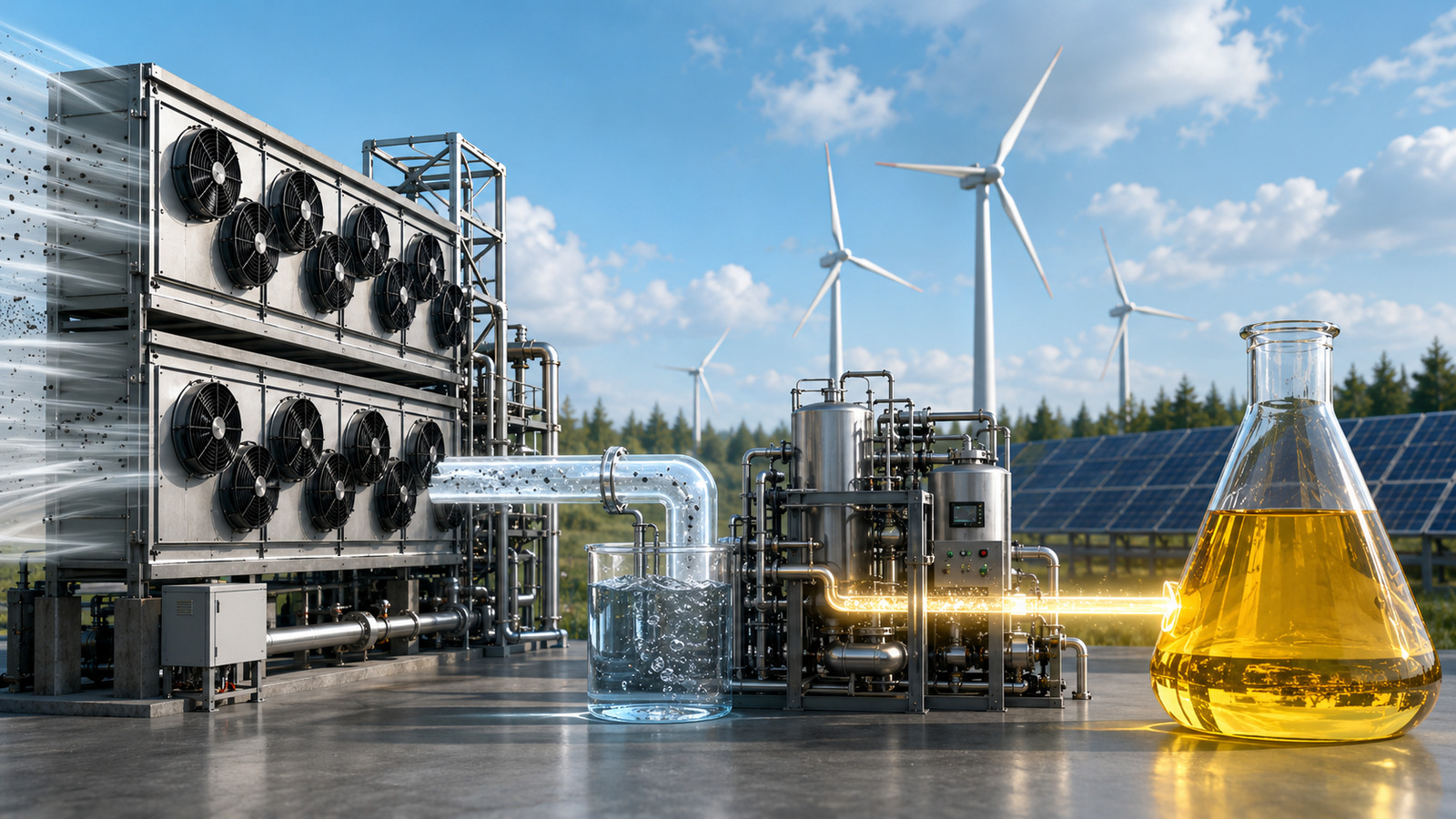
Swedes manage to create synthetic fuel with CO₂, water, and renewable energy, compatible with current engines, but face a huge problem: the energy expenditure is still double the return.
-
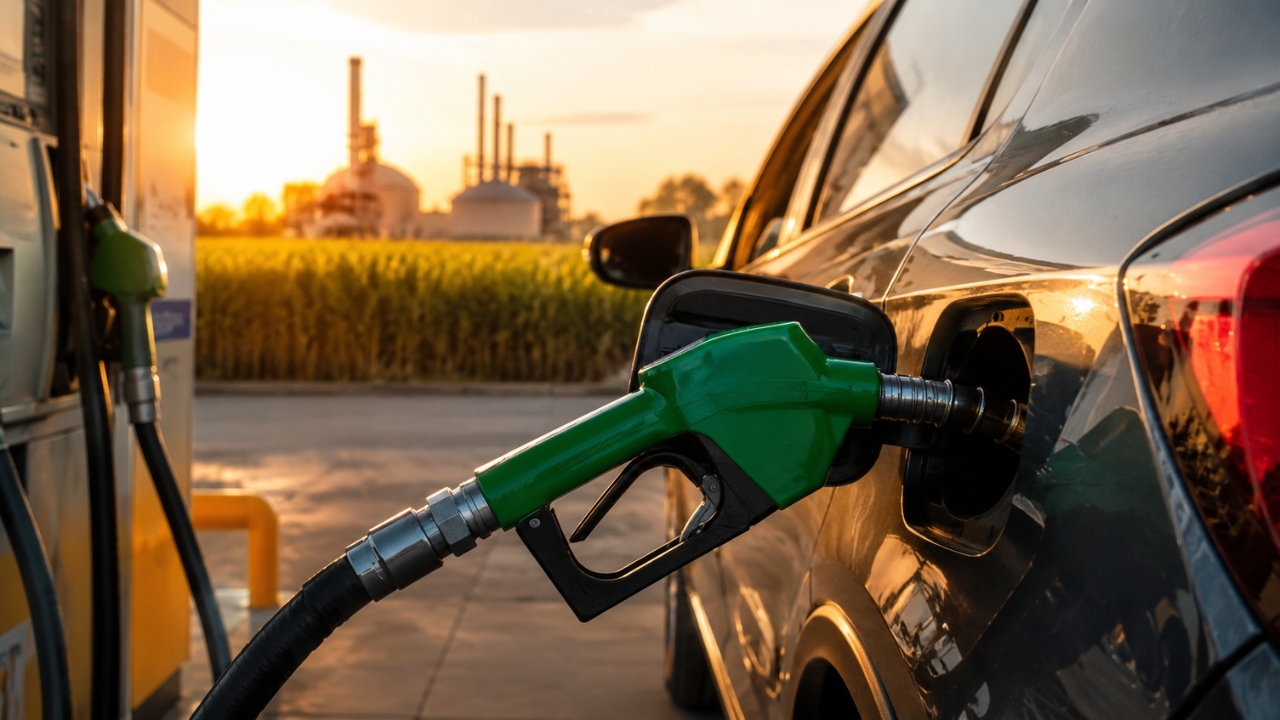
Brazil begins to transform wheat, residues, sweet potatoes, and soy molasses into ethanol, in a new phase of biofuels that seeks to utilize leftovers from the field and industry to fuel flex-fuel cars.

-
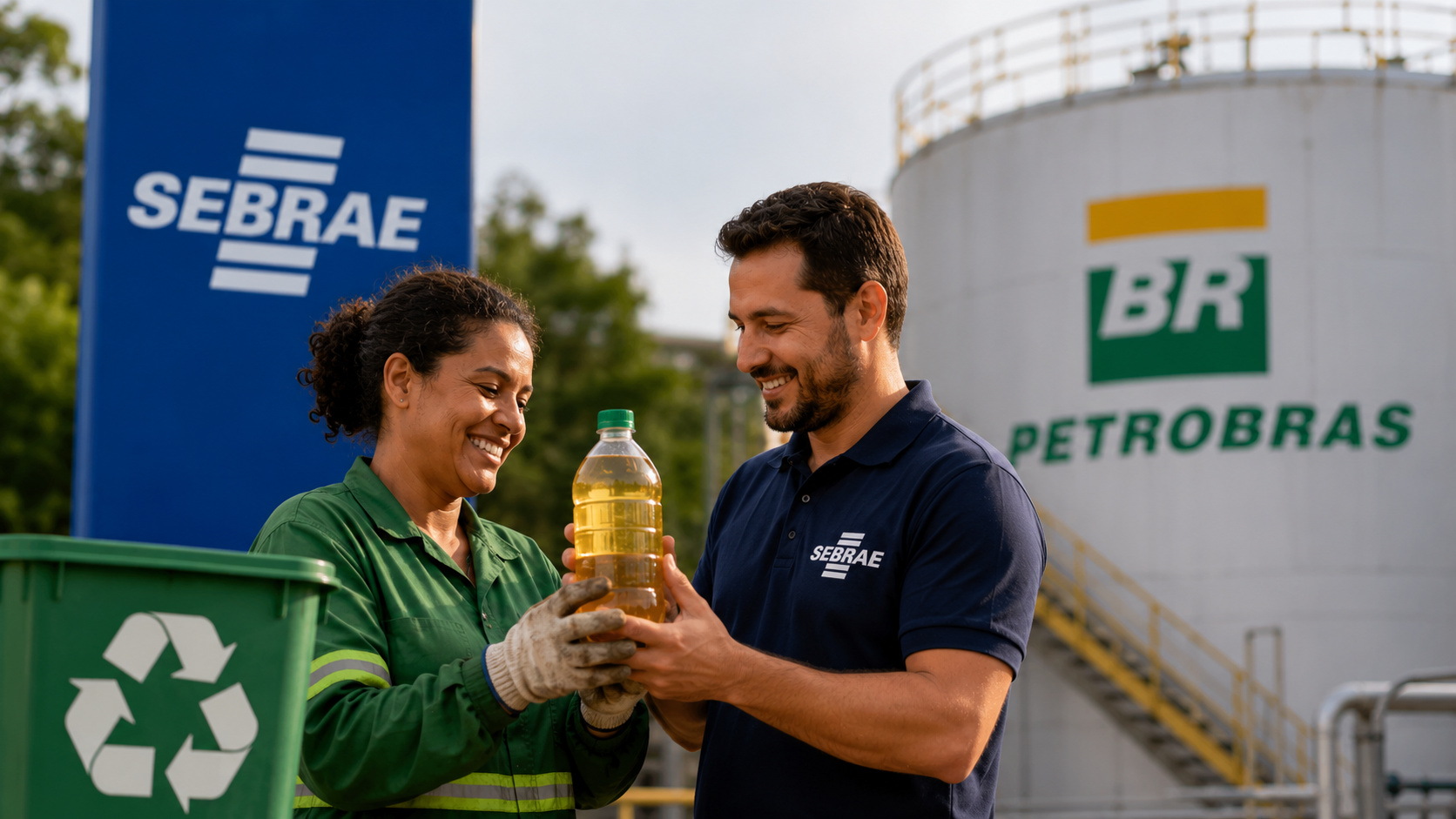
Sebrae and Petrobras join forces in Ceará to include waste pickers in the circular economy and strengthen the biofuel chain, creating new income opportunities and expanding the sustainable use of waste with a direct impact on regional development.


Performance and Characteristics of E30 Gasoline
With an octane rating of 94 RON, E30 gasoline provides better combustion efficiency and enhanced engine performance.
Although consumption may slightly increase in flex vehicles, the gains in price stability and sustainability compensate for the adjustment.
According to a technical statement from the São Paulo Metropolitan Trains Company (CPTM), released in August 2025, performance results may vary depending on the type of engine and regional distribution conditions, but tests indicate significant reductions in pollutants.
Thus, the new blend proves to be compatible with Brazil’s commitment to a fair and sustainable energy transition.
Adaptations and Guidelines for Drivers
The majority of flex cars can use E30 without modifications. Even so, drivers of older or imported vehicles should pay special attention.
This is because some older models require specific technical adjustments to avoid premature wear and ensure the optimal operation of the engine.
In a statement published by the National Association of Motor Vehicle Manufacturers (Anfavea), specialists stated that compatibility tests are already underway.
Furthermore, national manufacturers will need to update technical manuals by the end of 2025, ensuring greater safety in the use of the new fuel.
Economic Impacts and Sector Outlook
The new demand is expected to boost ethanol production — especially in the Central-South and Northeast regions, responsible for over 80% of the national sugarcane production, according to the Union of Sugarcane Industry (Unica).
This expansion is likely to create thousands of direct and indirect jobs.
Additionally, it should stimulate investments in infrastructure and agricultural technology. According to an analysis by the Energy Research Company (EPE), released in August 2025, the adoption of E30 could reduce fossil fuel dependency by up to 15% over the next 15 years.
With this, Brazil consolidates its position as a global reference in biofuels and energy innovation.
Summary and Future Expectations
E30 gasoline represents more than a simple change in composition.
It’s a strategic step towards energy self-sufficiency and environmental sustainability.
Although technical adjustments may be needed for part of the fleet, the economic, environmental, and technological benefits make this measure one of the most promising of the last decade.






-

1 person reacted to this.