Portuguese
  Spanish


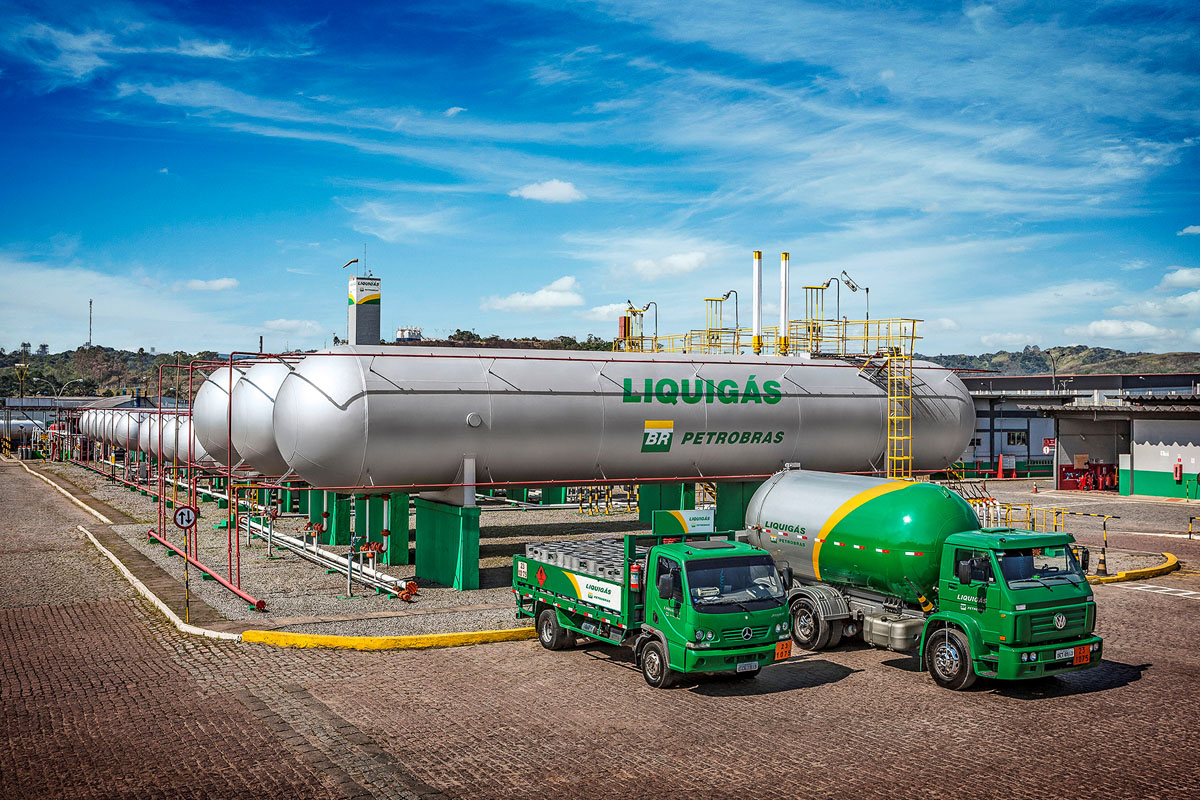

Copa Energia and Aggreko, from the brands Copagaz and Liquigás, Launched a Research Project This Quarter for Energy Generation Using Liquefied Petroleum Gas.
The research on energy generation using liquefied petroleum gas was conducted in collaboration with the Federal University of Mato Grosso do Sul (UFMS). The National Agency of Petroleum, Natural Gas, and Biofuels (ANP) validated the project to initiate the studies. Copa Energia will install an LPG plant connected to an 85 kW generator at UFMS. The device was developed by Aggreko.
See More Details About the Study on Energy Generation Using Liquefied Petroleum Gas
The study will assess the energy efficiency and cost-effectiveness of engine-generator sets, both off-grid (not connected to the grid) and grid-connected (connected to the distribution network). The equipment will operate during peak hours, and the energy will be supplied to the University.
The objective of the study on energy generation using liquefied petroleum gas is to provide technical and scientific data to facilitate the opening of the market for new uses of LPG in Brazil. — Changing these regulations is a long-standing demand from distributors. They, represented by Sindigás, argue that the restrictions were imposed in 1991 due to fears of product shortages during the Gulf War. However, they contend that the situation has changed.
-
With a record production of nearly 3 million barrels per day, Petrobras resumes importing diesel in July, highlighting the bottleneck in Brazilian refining.

-
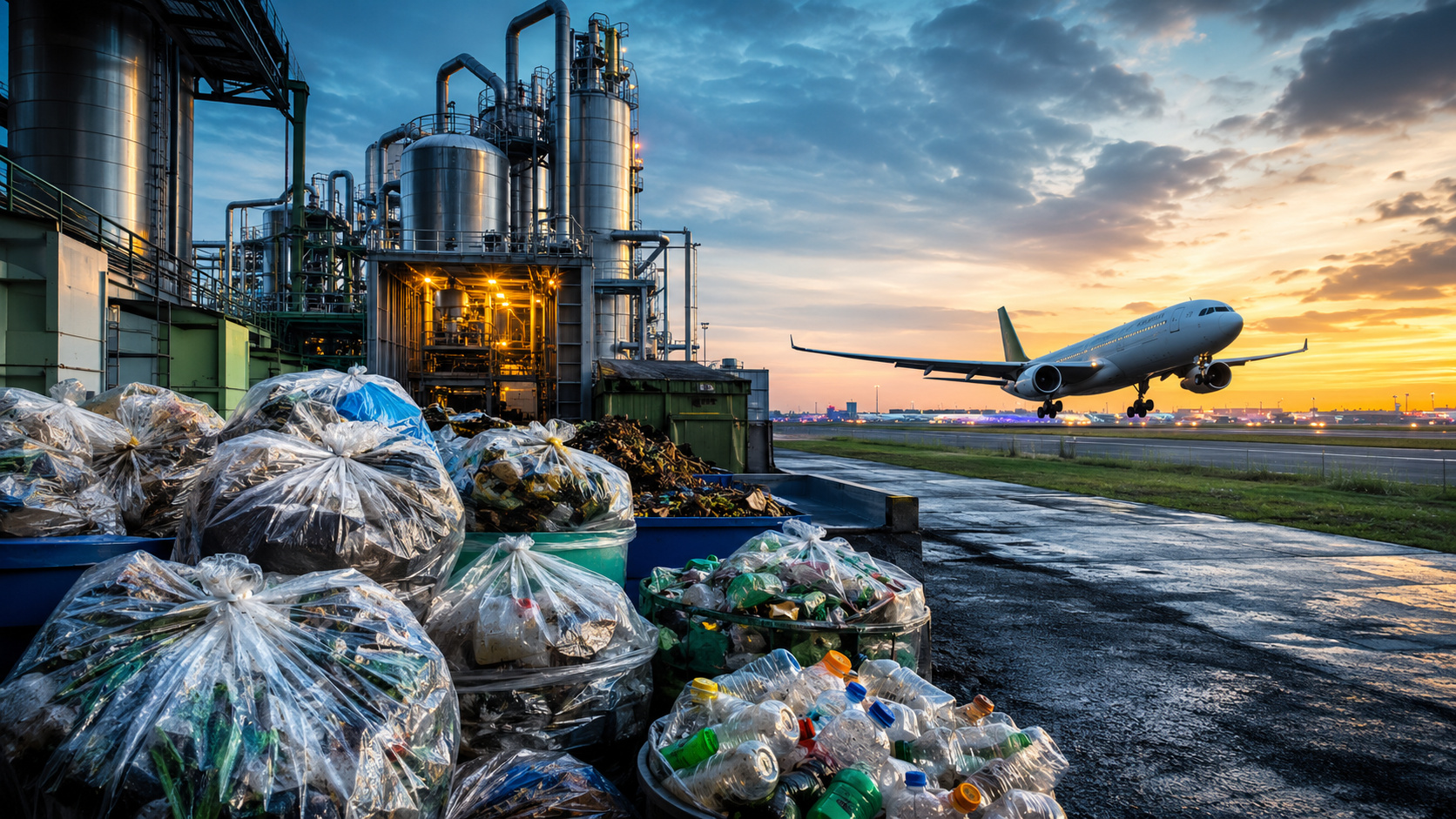
Qantas and Airbus Invest in Company Aiming to Convert Unsorted Household Trash into Jet Fuel

-
Brazil’s ANP Opens 86 New Oil Blocks in the Equatorial Margin, Expanding the Amazon River Mouth Frontier

-
OPEC+ Boosts Oil Supply by 188,000 Barrels per Day in July 2026, Leading to Price Drop from $112 to $89 per Barrel in Under Two Months
Law Criminalizes Unauthorized Use of Gas in Certain Situations
Law 8.176/1991 criminalizes the unauthorized use of liquefied petroleum gas for heating engines, saunas, boilers, and pools, or for automotive purposes as a crime against the economic order. In 2016, the ANP decided to relax the use of fuel for forklifts and industrial cleaning equipment. Brazil still imports LPG, but the Energy Research Company (EPE) estimates that the country could become self-sufficient early next decade with the growth of production at natural gas processing units (UPGN).