






 Portuguese
  Spanish


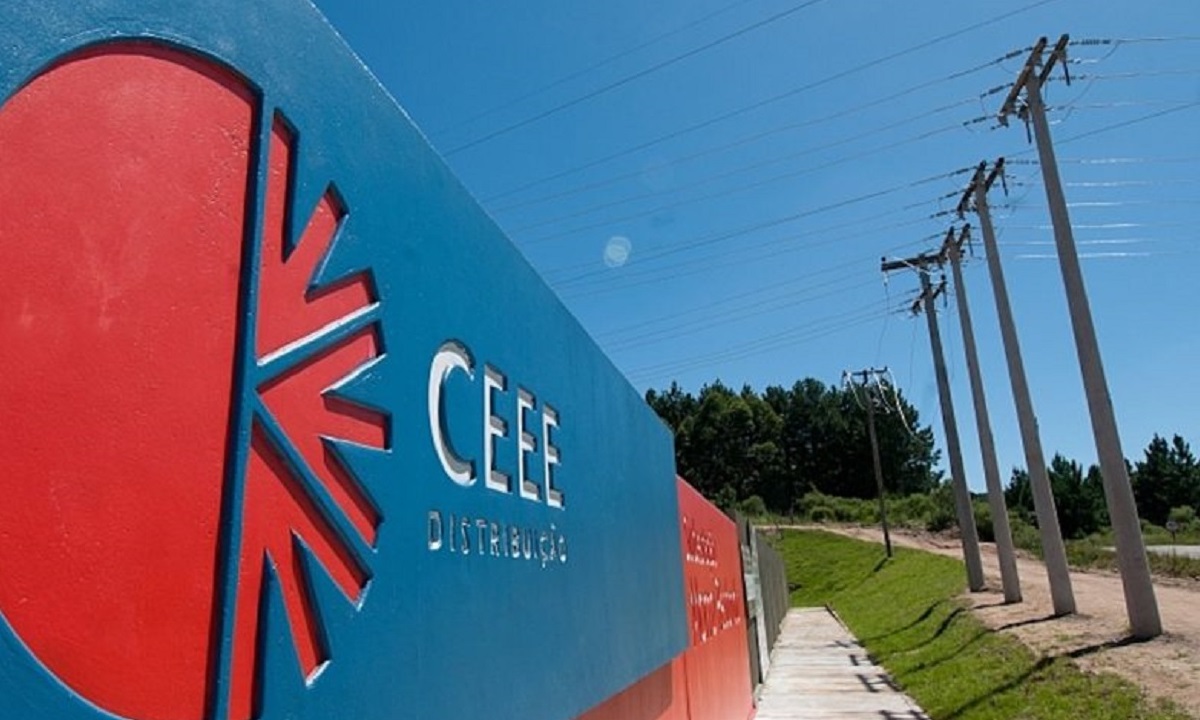
CEEE-G, The Last State Power Company of Rio Grande do Sul, Was Privatized During Auction Held on Friday, Which Obtained a Premium of 10.93% Over the Minimum Price Charged by the Government
This Friday (the 29th), the auction for the privatization of the energy generator CEEE-G – the last state power company of Rio Grande do Sul – was held. In it, the Forest Company of Brazil – a subsidiary of the steel company CSN – was the one who won the company, through a winning bid of R$ 928 million, which represents a profit of 10.93% compared to the minimum price set of R$ 836.593 million.
According to the newspaper O Estado de S. Paulo, Auren Energia acted as a competitor to CSN during the bidding, having offered R$ 927.2 million for the state-owned company. Now, thanks to the acquisition of CEEE-G, CSN will have plants with a total power generation capacity of 1,253.71 megawatts (MW), among its own units and in partnership with other companies.
The Government Had to Lower the Reference Amount for the Auction in Order to Privatize the Energy Company
The bidding was the second attempt to privatize the energy company in question, which became possible only after the government of Rio Grande do Sul decided to reduce the reference amount for the auction by 33%. In March, the state government had already attempted to sell the generator, but no proposals were made.
-
Brazilian scientists are simultaneously advancing two research projects on clean hydrogen and driving solutions that could transform the energy matrix, enhance industrial competitiveness, and accelerate large-scale emission reduction targets.

-
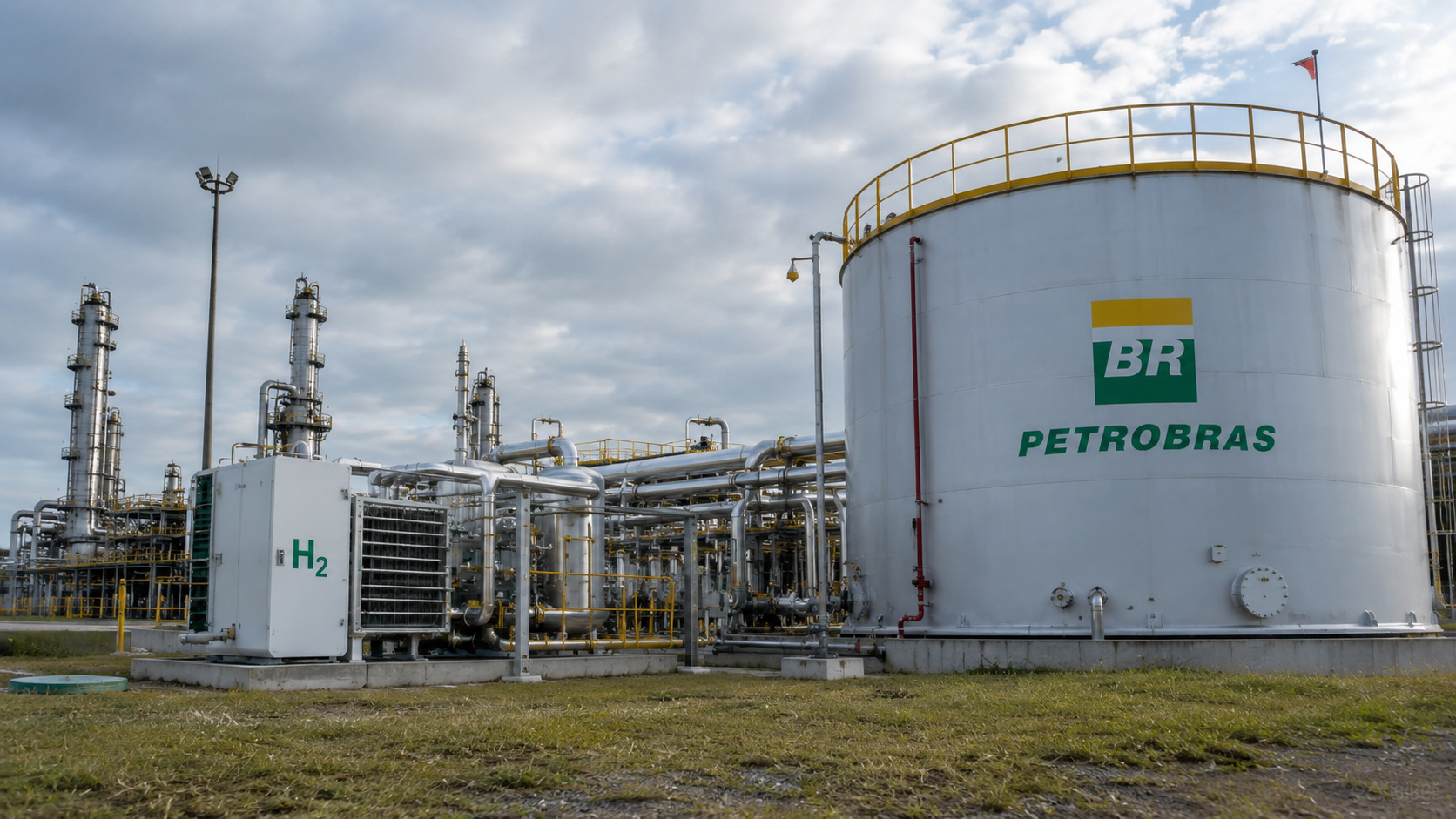
Advancement in renewable energy: A R$ 150 million project launched by Petrobras and Finep aims to create state-of-the-art electrolyzers for green hydrogen, strengthening national research and preparing Brazil to compete in a billion-dollar energy market.
-
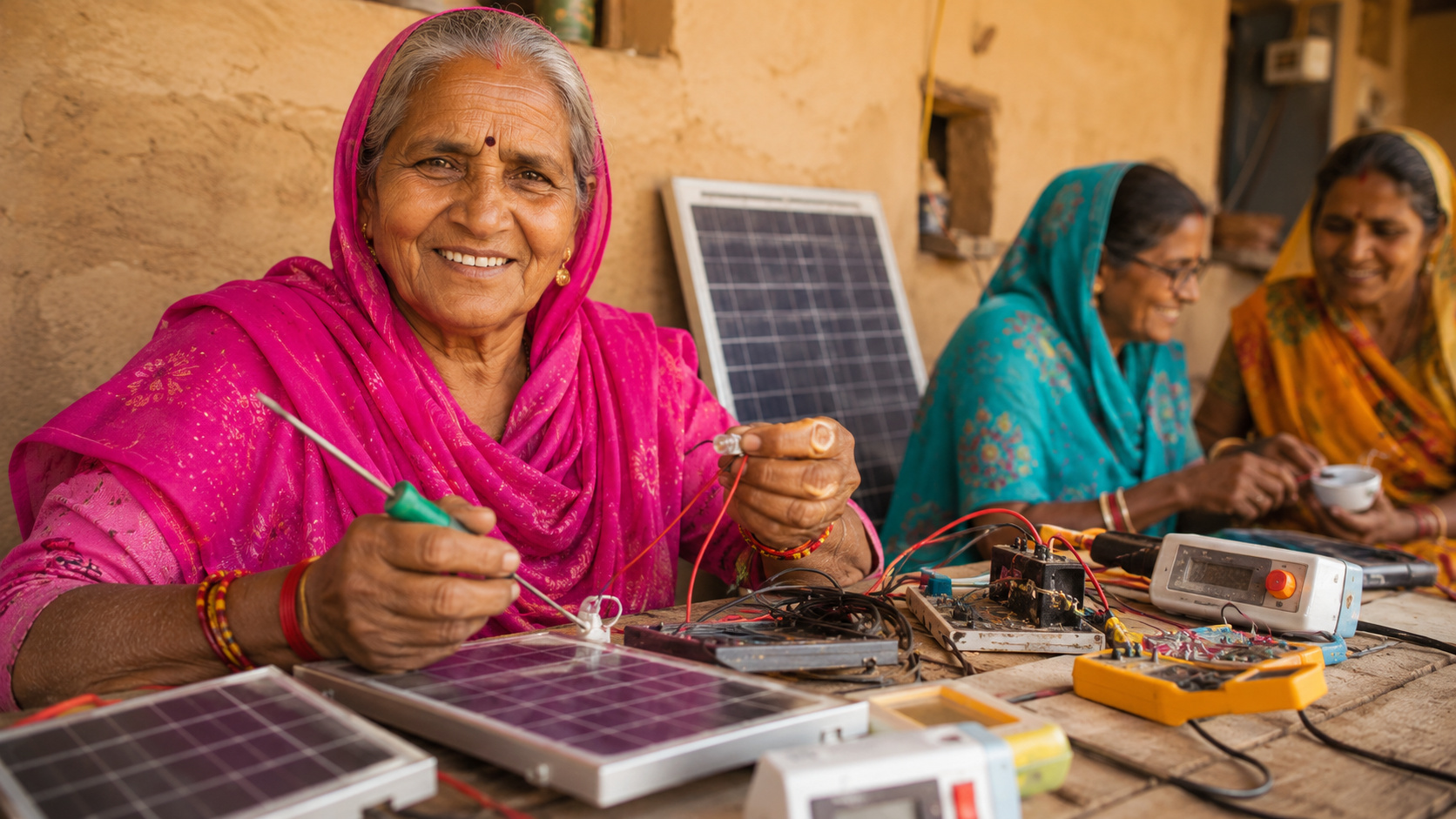
Illiterate or semi-literate grandmothers were trained to repair solar systems, open rural workshops, and light up homes that still depended on kerosene.
-
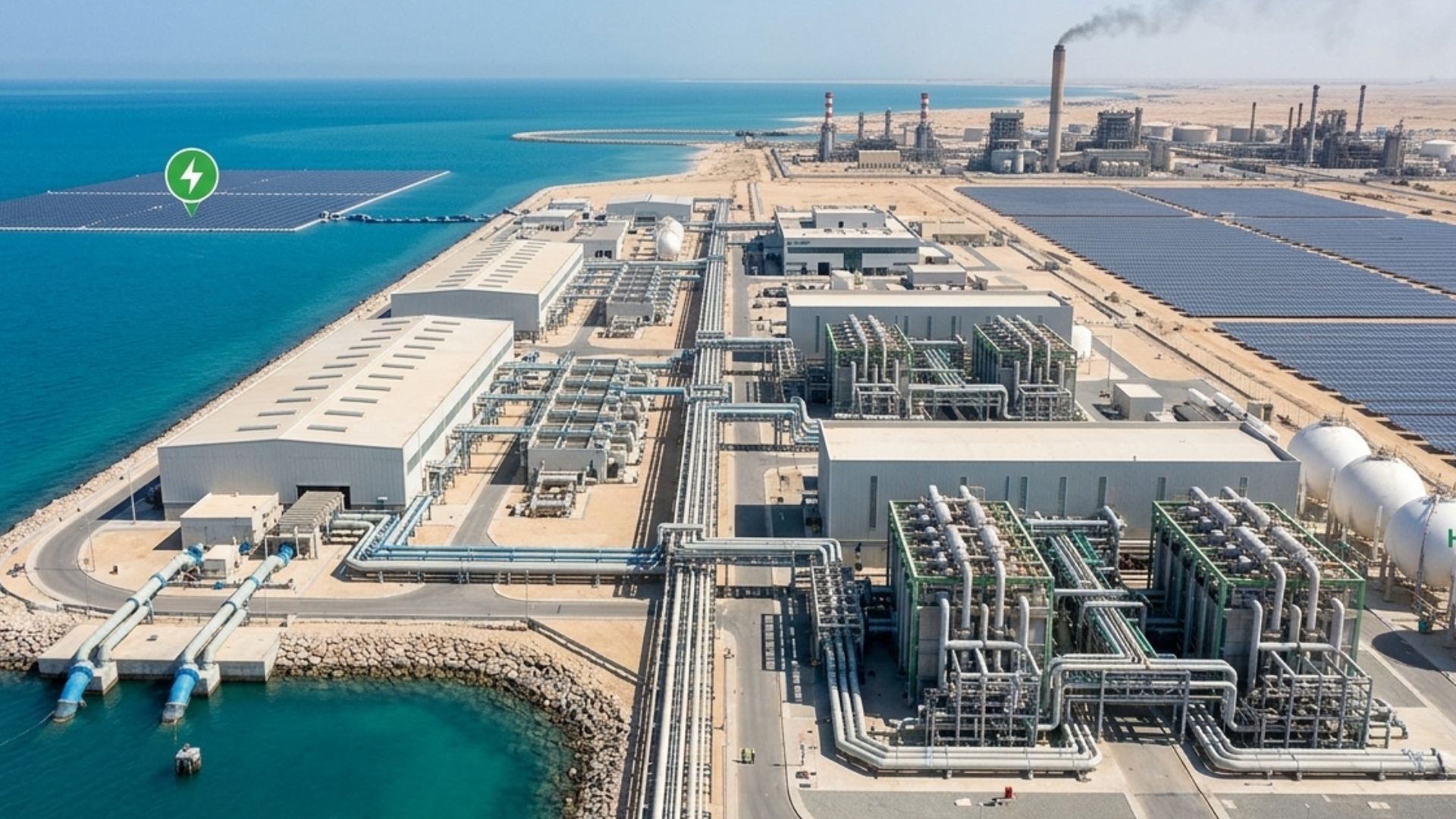
The world has bet on green hydrogen as the fuel of the future, but now faces the side effect: producing 1 kilogram requires about 9 liters of ultrapure water, and the largest projects on the planet are precisely in the driest regions of the Earth, where water is already scarce for people.


Other companies, in addition to CSN and Auren Energia, also considered participating in the privatization of CEEE-G, but they withdrew from the bidding, claiming the amount was excessively high. Among them are CPFL, EDF, Spic Brazil, Comerc, AES Brazil, and Eneva.
From this perspective, CPFL was considered the main interested party in acquiring the state-owned company, as it operates in the southern region of Brazil and is also a partner of CEEE-G in Ceran, an energy complex that owns three hydropower plants. However, the company chose not to participate in the auction and instead preferred to exercise its right of first refusal for the plants in which it already operates.
For the state government, the bidding also served as a way to evaluate the future privatization of Corsan – a state-owned company in the sanitation sector. This is because after realizing how difficult it would be to conduct a stock offering for the company on the stock exchange, the government of Rio Grande do Sul decided to change the privatization model by selling its entire stake in the sanitation company.
The Auction Faced Resistance from a Political Segment in Rio Grande do Sul
In light of the reduction in the minimum amount charged for CEEE-G, Deputy Pompeo de Mattos (PDT/RS) and unions of workers in the electric sector decided to file a representation with the Securities and Exchange Commission (CVM), questioning the government’s request for the privatization of the state company in the Rio Grande do Sul.
The complaint was based on an assessment made by the consulting firm UPside Corporate Finance, which revealed that the company’s net asset value is R$ 1.361 billion, an amount exceeding the minimum requested by the government during the auction. Additionally, the document further shows that if the assets were sold for the minimum value, the State would incur a loss of R$ 524.4 million.
Finally, the complaint sent to the CVM also notes that, in the analysis used by the state government to determine the minimum selling price for the company, the values of assets that comprise the intangible net worth of the state company, such as its name, its history, and the right to operate the service for another 30 years, are not taken into account.
When approached, the Secretary of Environment and Infrastructure of Rio Grande do Sul (Sema-RS) did not comment.






Be the first to react!