Portuguese
  Spanish


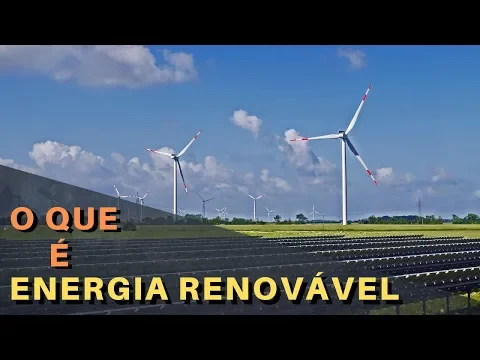
Discover How Renewable Energy Generators in Brazil Need to Adapt to Risks and Challenges to Ensure a Sustainable and Competitive Future.
The renewable energy generator sector in Brazil has undergone significant changes in recent decades. Since the early 2000s, with the rise of global concern about climate change and greenhouse gas emissions, the country started to invest more consistently in clean sources, such as solar and wind energy.
However, these investments require constant adaptation in the face of a complex and uncertain market.
Historically, Brazil built its electric system based on hydroelectric power plants, taking advantage of the vast number of rivers and the country’s favorable topography. Although this model worked well for many years, it also brought challenges, such as the dependence on rainfall to ensure energy generation.
-
Brazilian scientists are simultaneously advancing two research projects on clean hydrogen and driving solutions that could transform the energy matrix, enhance industrial competitiveness, and accelerate large-scale emission reduction targets.

-
Advancement in renewable energy: A R$ 150 million project launched by Petrobras and Finep aims to create state-of-the-art electrolyzers for green hydrogen, strengthening national research and preparing Brazil to compete in a billion-dollar energy market.
-
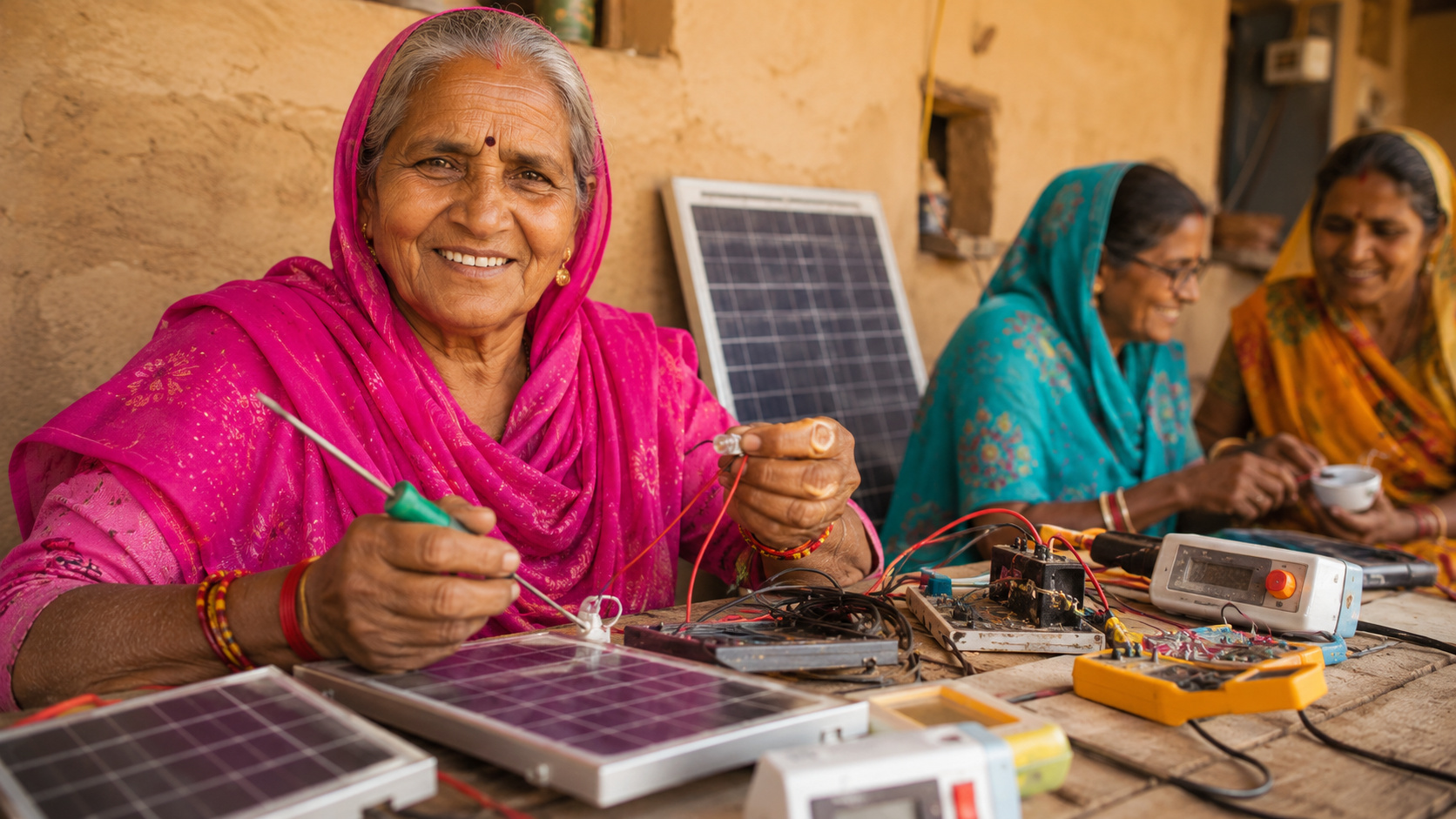
Illiterate or semi-literate grandmothers were trained to repair solar systems, open rural workshops, and light up homes that still depended on kerosene.
-
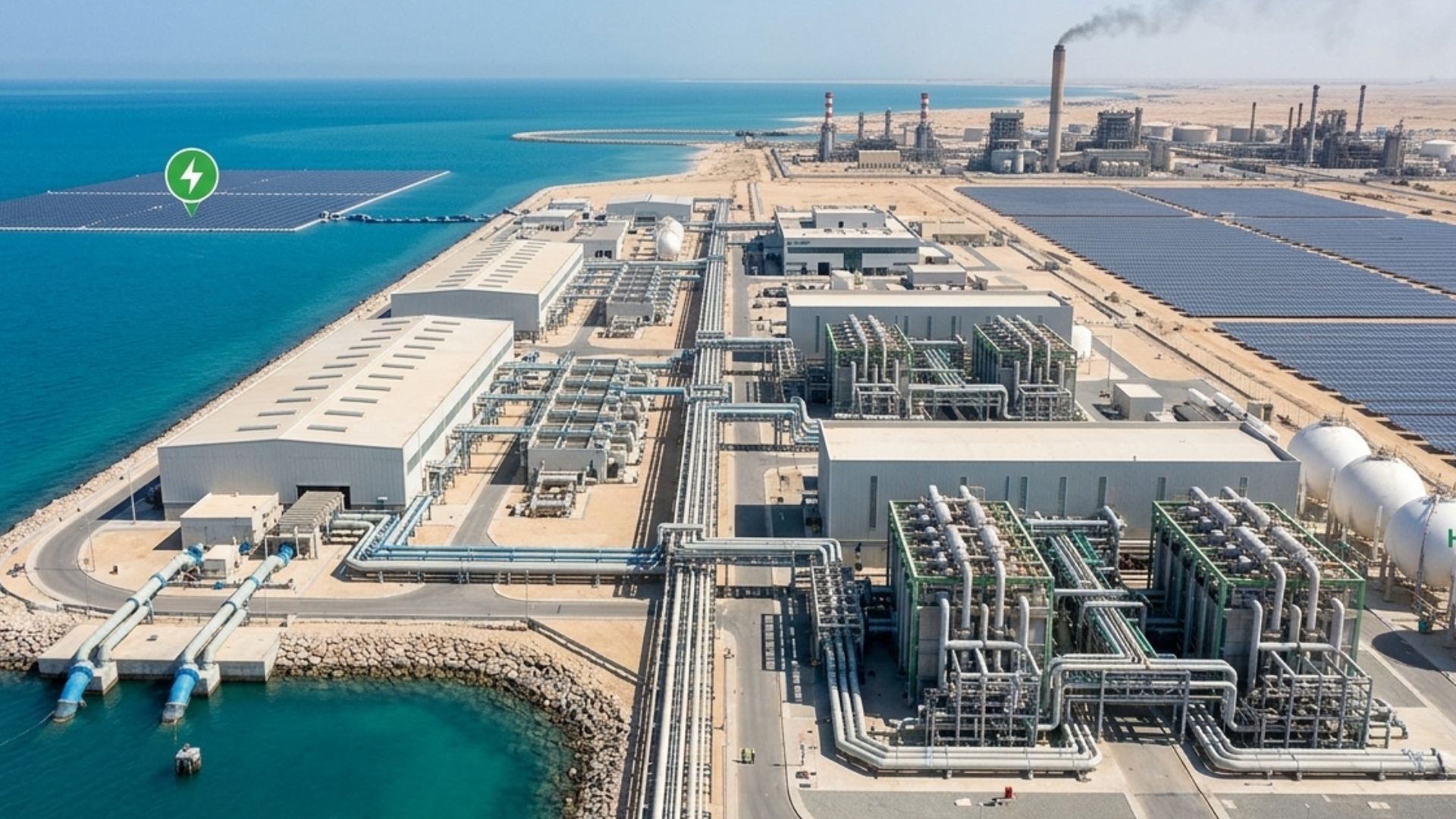
The world has bet on green hydrogen as the fuel of the future, but now faces the side effect: producing 1 kilogram requires about 9 liters of ultrapure water, and the largest projects on the planet are precisely in the driest regions of the Earth, where water is already scarce for people.



Consequently, recent water crises have shown the need to diversify the energy matrix, making room for renewable energy generators to play a central role in national energy security.
In recent years, the advancement of technology has made photovoltaic solar and wind energy viable not only in environmental terms but also economically. However, these sources present specific challenges.
Moreover, the rapid growth of distributed generation, especially solar in homes and industries, has introduced new variables into the electric system.
Therefore, balancing decentralized production with grid demand increases operational complexity and requires renewable energy generators to invest in real-time integration and communication solutions.
As a result, generation forecasting and remote monitoring software are becoming increasingly essential to reduce losses and maximize asset efficiency.
Adaptation and Innovation in the Renewable Energy Sector
Industry experts believe that, despite the challenges, the future is promising. Thus, the need for renewable energy generators to adapt to these new variables demands creative and innovative solutions.
Consequently, new business models, risk pricing strategies, and storage technologies have proven essential to enabling projects with economic and operational security.
An example of this adaptation is the increased use of batteries. Furthermore, energy storage helps to deal with the variability of solar and wind generation, allowing for a more stable supply of energy to the electric system, even when production does not meet demand.
This trend resembles what happened in the past with hydroelectric power plants, which had to create mechanisms to deal with hydrological risk, known as GSF (Generation Scaling Factor). Just as hydroelectric power plants learned to price this risk, renewable energy generators are learning to value curtailment and market volatility.
From a financial perspective, the impacts of these variables can be significant. Therefore, according to industry experts, curtailment and the differences between submarkets require considerable cost increases in projects.
To cover these risks and ensure the attractiveness of investments, energy prices tend to rise, reflecting the need to offset uncertainties and ensure minimum return margins for investors.
Thus, the economic analysis of these projects needs to consider not only the technology cost but also the risk of variations in operation and compensation for generated energy.
The Role of Auctions and Regulation
The development of specific auctions for storage technologies plays an important role. In Brazil, there is already discussion about creating exclusive auctions for batteries, with contracts of up to ten years and the possibility of co-location with renewable generation projects.
These measures increase competitiveness and reduce the risks of new ventures, in addition to stimulating technological innovation.
Therefore, for the auctions to be successful, it is essential to establish clear rules, such as exemptions from prior environmental licensing and the viability of revenue stacking, which allows for generating multiple sources of revenue from the same asset.
The regulatory context also directly determines the attractiveness of the sector. Legislative uncertainties and frequent changes in market rules can affect the projects of renewable energy generators.
In recent years, Brazilian government initiatives have sought to create a more stable environment, but there is still room for improvement.
Thus, clarity in regulations, consistent incentives, and simplification of approval processes accelerate the sustainable growth of the sector.
In addition to economic and regulatory challenges, renewable energy generators face technical issues. Therefore, integrating intermittent sources into the electric system requires careful planning, considering the location of parks, transmission line capacity, and real-time energy management.
In this sense, digitalization and the use of advanced monitoring technologies ensure efficiency and security in the operation of these ventures.
Furthermore, collaboration among companies, government, and universities has proven to be an effective strategy. By sharing data, feasibility studies, and experiences from previous projects, stakeholders reduce risks and accelerate the technological evolution of the sector.
In this way, this cooperation strengthens the resilience of renewable energy generators, enabling the implementation of new projects more securely and with greater financial return predictability.
Social Impacts and Global Trends
The social role of expanding renewable energy also deserves attention. By creating local jobs, generating opportunities for economic development in remote areas, and reducing environmental impacts, renewable energy generators make a significant contribution to the sustainability of the country.
Consequently, this positive effect strengthens support for the energy transition and increases investor and societal confidence in the viability of clean projects.
Globally, Brazil follows a trend observed in other countries, where diversifying the energy matrix becomes strategic to reduce dependence on fossil fuels and address climate change.
Moreover, international experience shows that the earlier renewable energy generators are integrated into national energy planning, the more resilient the electric system becomes and the more competitive the produced energy is.
Additionally, the expansion of renewable projects encourages research into innovative technologies, such as green hydrogen, hybrid systems, and smart microgrids.
In this way, these advances can transform how energy is produced and consumed in Brazil, strengthening the country’s leadership in the global clean energy landscape.
In conclusion, renewable energy generators in Brazil face a significant adaptation period. Amidst curtailment risks, price volatility, regulatory challenges, and the need for storage, the sector requires creativity, innovation, and strategic planning.
At the same time, the historical experience of hydroelectric power plants and international examples indicate that it is possible to overcome these difficulties and establish a solid market capable of offering clean, reliable, and economically viable energy.
Thus, the future of renewable energy in Brazil depends on this capacity for adaptation, ensuring that the country continues down the path of sustainability and technological development in the electric sector.