Portuguese
  Spanish


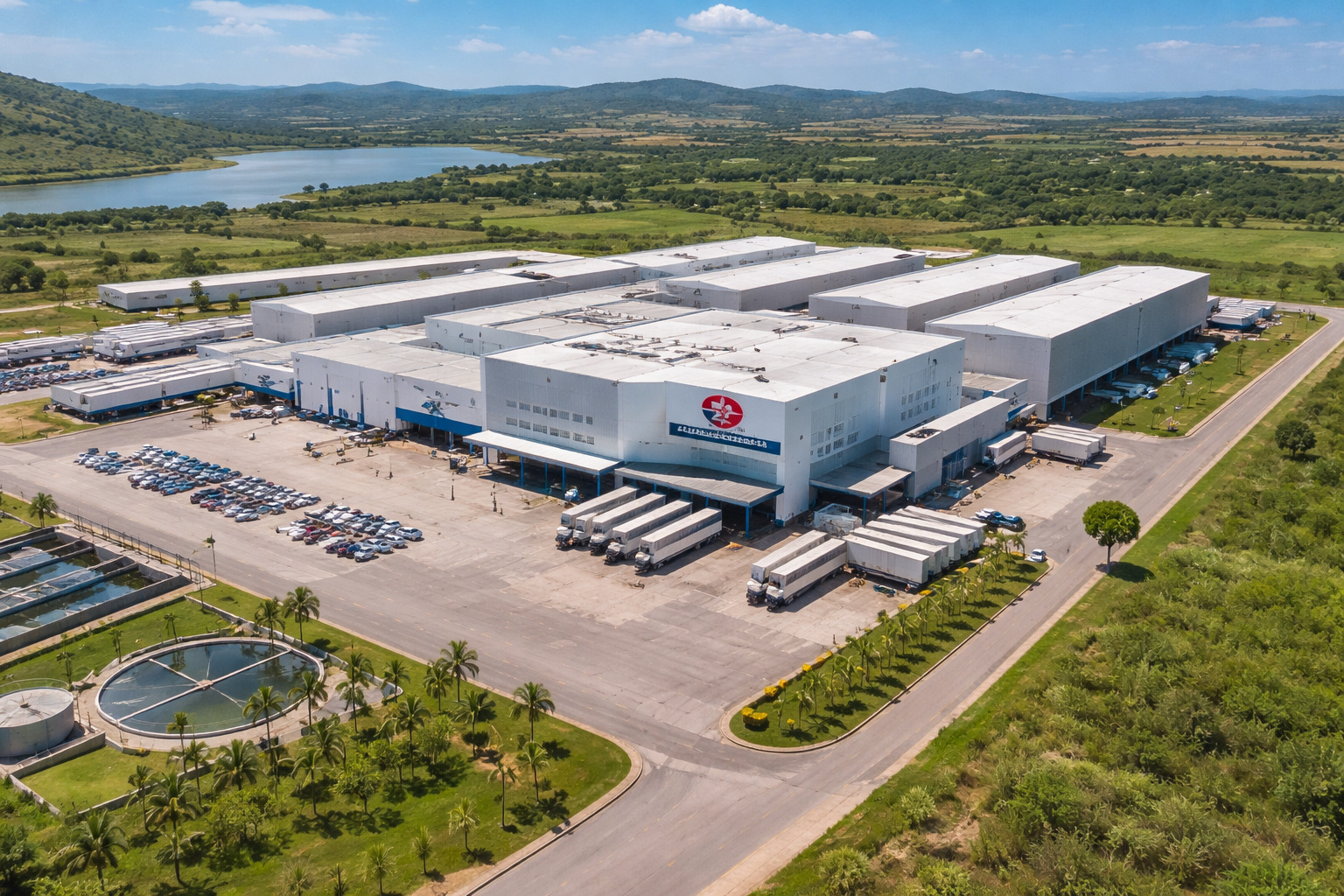

New Masterboi unit in Iguatu will have the capacity to slaughter 1,000 cattle per day, generate up to 1,000 jobs, and strengthen livestock farming in Ceará
Ceará confirmed the installation of a Masterboi slaughterhouse in Iguatu, an investment that is expected to generate up to 1,000 jobs and allow the slaughter of 1,000 cattle per day, with operations scheduled for 2028 and a direct impact on local livestock farming.
Masterboi chooses Iguatu for unit
Masterboi will install a unit in Iguatu, in the interior of Ceará, following negotiations between the State Government and the private sector.
The project is regarded as one of the most important industrial investments in the interior of Ceará.
-
Brazil to Issue “Panda Bonds” in China, Aiming to Raise Up to 5 Billion Yuan at Lower Interest Rates Than Dollar Debt
-
NATO Faces Internal Tensions as U.S. Pushes for Increased Defense Spending, Targeting 5% of GDP by 2035, with Warnings for Countries Near 2% Level

-
Brazil to Introduce B16 Diesel with Increased Soybean Oil Content for Trucks by 2026
-
Brazil’s July Bolsa Família Payments May Include Extra $150 and $50 for Families with Children, Pregnant Women, and Updated CadÚnico Registration


The slaughterhouse will have the capacity to slaughter up to 1,000 cattle per day. The initial estimate is about 750 direct jobs, with the possibility of reaching up to 1,000 positions with the expansion of operations and indirect activities.


Technical criteria influenced the decision
The choice of Iguatu took into account factors identified by the state government as essential for the operation of the slaughterhouse.
Among them are logistics, water availability, and the presence of a consolidated herd of beef cattle.
The project is part of an economic strategy. The expectation is that the arrival of Masterboi will boost local production, generate income, and strengthen the beef production chain in the state of Ceará.
The proximity to the Transnordestina railway was considered decisive for the distribution of production.
To facilitate the installation, the government published Decree No. 37,188 and authorized the expropriation of an area of approximately 60 hectares.
Infrastructure and incentives to enable the project
To ensure the installation of the unit, the State committed to infrastructure improvements. One of the main commitments will be the construction of a water pipeline connecting the Trussu Dam, in the Suassurana district, to the industrial plant.
This measure aims to ensure the necessary water supply for the operation of the slaughterhouse.
The expropriated land is located near the railway axis, favoring the transport of production and reinforcing the logistical structure of the project.
Additionally, the government offered tax incentives to enhance the competitiveness of the operation in national and international markets.
These supports have been pointed out as decisive for enabling the company’s arrival in the municipality.
Operation expected for 2028
The forecast is that the Masterboi unit will be operational by 2028. This way, the slaughterhouse is expected to mark a phase for the Ceará agribusiness and reach the state industry and productive base.
Among the expected effects are the appreciation of the cattle price, the encouragement of small and medium livestock farmers, and the generation of jobs and income in the interior.
The presence of a structured buyer close to production changes the scenario.
Effect on Ceará livestock
The government states that the initiative aims to consolidate Ceará as a competitive hub, focusing on the export of animal protein.
The arrival of Masterboi reinforces the interiorization of the slaughtering industry and the search for new productive fronts.
With logistics, incentives, and herd growth, the state begins to compete in the national beef market.
In practice, the project represents a structural transformation in Ceará’s agribusiness, with effects on production, employment, and regional competitiveness.
With information from Compre Rural.