Portuguese
  Spanish


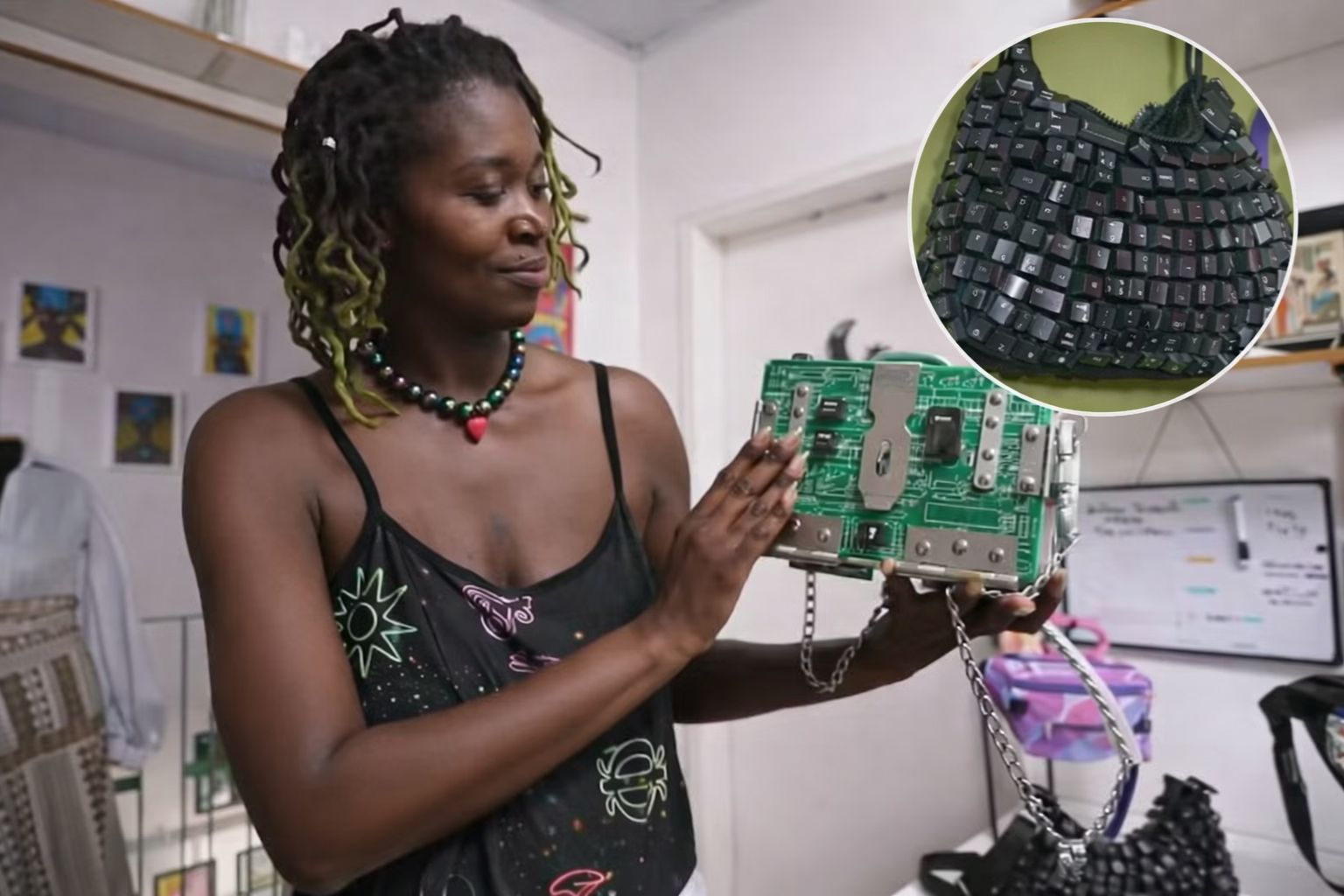

A Joinville entrepreneur in Santa Catarina created a business that transforms computer keys, reused fabrics, and electronic boards into authoral bags sold between R$ 219 and R$ 490. Kayka Couto produces about 20 pieces per month, earns R$ 5 thousand, and attracts customers seeking exclusivity and handmade products with unusual materials.
A entrepreneur Kayka Couto, from Joinville in northern Santa Catarina, found a way to turn trash into income. Using computer keys, used clothing, and even electronic boards, she produces authoral bags that do not exist in any conventional store. The pieces cost between R$ 219 and R$ 490 and generate an average monthly revenue of R$ 5 thousand, a result built from an initial investment of only R$ 4,500 and a vocation that emerged when the entrepreneur, still working in an office, took a sewing course and discovered that she had found her true profession.
The business was born from a hobby that transformed into an opportunity. “Since the first time I touched a sewing machine, I knew this was what I wanted to do,” says the entrepreneur, who started selling to friends and acquaintances before professionalizing her production. Today, Kayka produces about 20 bags per month, mostly made to order, sold primarily online and at local fairs. The entrepreneur’s journey reflects a growing trend in Brazil: transforming creativity and material reuse into viable businesses that combine environmental purpose and income generation.
How the Joinville entrepreneur discovered upcycling out of necessity
According to information from the G1 portal, the creative turning point of the business happened during the pandemic, when the lack of resources forced the entrepreneur to rethink her materials. Without easy access to new fabrics and supplies, Kayka began to reuse items she already had at home, entering the world of upcycling, a practice that transforms waste into higher value-added products. What started as an emergency solution became the identity of the business and the main differentiator of the bags in the market.
-
How to Prevent Brown Recluse Spider Bites: Common Hiding Spots and Free Tips to Reduce Risks

-
Natto: The Unusual Japanese Superfood Gaining Popularity on Social Media and Driving Record Exports
-
Brazilian Mayor Goes Undercover as Homeless for 24 Hours to Assess Public Services

-
15-Year-Old Entrepreneur Malu Lira Publishes 20 Children’s Books on Financial Education, Earns $500,000, and Expands Her Project to the Amazon Rainforest




The entrepreneur discovered that discarded materials offered aesthetic possibilities that conventional fabrics did not have. Computer keys became decorative details, fabrics from used clothing took on new forms, and everyday objects were incorporated into the design of the pieces, creating bags that are both fashion accessories and statements about conscious consumption. Each piece requires adaptations in the production process because the reused materials are never the same, ensuring that no bag is identical to another.
What makes the entrepreneur’s bags different from everything else in stores

Exclusivity is the main selling point. The bags made by the entrepreneur do not follow industrial molds or use standardized materials, which means that each piece is literally unique. A customer who buys a bag from Kayka knows that no one in the world will have the same one, because the repurposed materials that make up each model are non-reproducible. This uniqueness attracts an audience willing to pay between R$ 219 and R$ 490 for a handcrafted piece.
The entrepreneur identifies a shift in consumer perception that supports her business. “People want something they can’t find in stores. Handmade is now seen as a new luxury”, says Kayka. This statement summarizes a market movement where mass production loses appeal and handmade items, with history and purpose, gain value. For the entrepreneur, each bag carries not only repurposed materials but also the narrative of an object that would have been discarded and gained a second life with more value than it had in the first.
The challenges the entrepreneur faces to grow the business
The transition from hobby to business is a challenge that many creative entrepreneurs know well. “Moving from hobby to entrepreneurship requires organization. It seems simple, but it is not”, acknowledges Kayka, pointing to the need to balance the creative side of production with financial management, sales logistics, and customer service. The entrepreneur manages all stages of the business alone, from selecting materials to delivering the final piece, which limits the number of bags she can produce per month.
Producing 20 pieces monthly is the current ceiling, and to increase this volume, the entrepreneur needs help. In the next steps, Kayka intends to hire assistance for the workshop, expand production, and diversify the portfolio with new products made from repurposed materials. Expansion requires investment in equipment, space, and training another person to work with unconventional materials, a demand not met by traditional sewing courses. For the entrepreneur, growth must happen without compromising the artisanal identity that differentiates the bags in the market.
What the entrepreneur’s story reveals about the upcycling market in Brazil
Kayka’s business is not an isolated case. Upcycling is gaining ground in Brazilian entrepreneurship as an alternative that combines environmental sustainability with income generation, especially among women who find in creative sewing a gateway to the market. The practice of transforming waste into higher value-added products responds both to the demand for conscious consumption and to the need for economic alternatives in a country where necessity-driven entrepreneurship is a reality for millions of people.
For those considering following a similar path, the journey of the entrepreneur from Joinville offers practical lessons. An initial investment of R$ 4,500, the willingness to learn on her own, the ability to adapt the business to circumstances, and the persistence to turn a hobby into a source of income of R$ 5,000 per month show that it is possible to create a viable business from materials that others throw away. The entrepreneur proves that one person’s trash can literally be another’s treasure.
An entrepreneur from Joinville earns R$ 5,000 per month by transforming computer keys and used clothing into unique bags. Would you buy a bag made from recycled materials? Do you know someone else who also ventures into upcycling? Share in the comments.