Portuguese
  Spanish


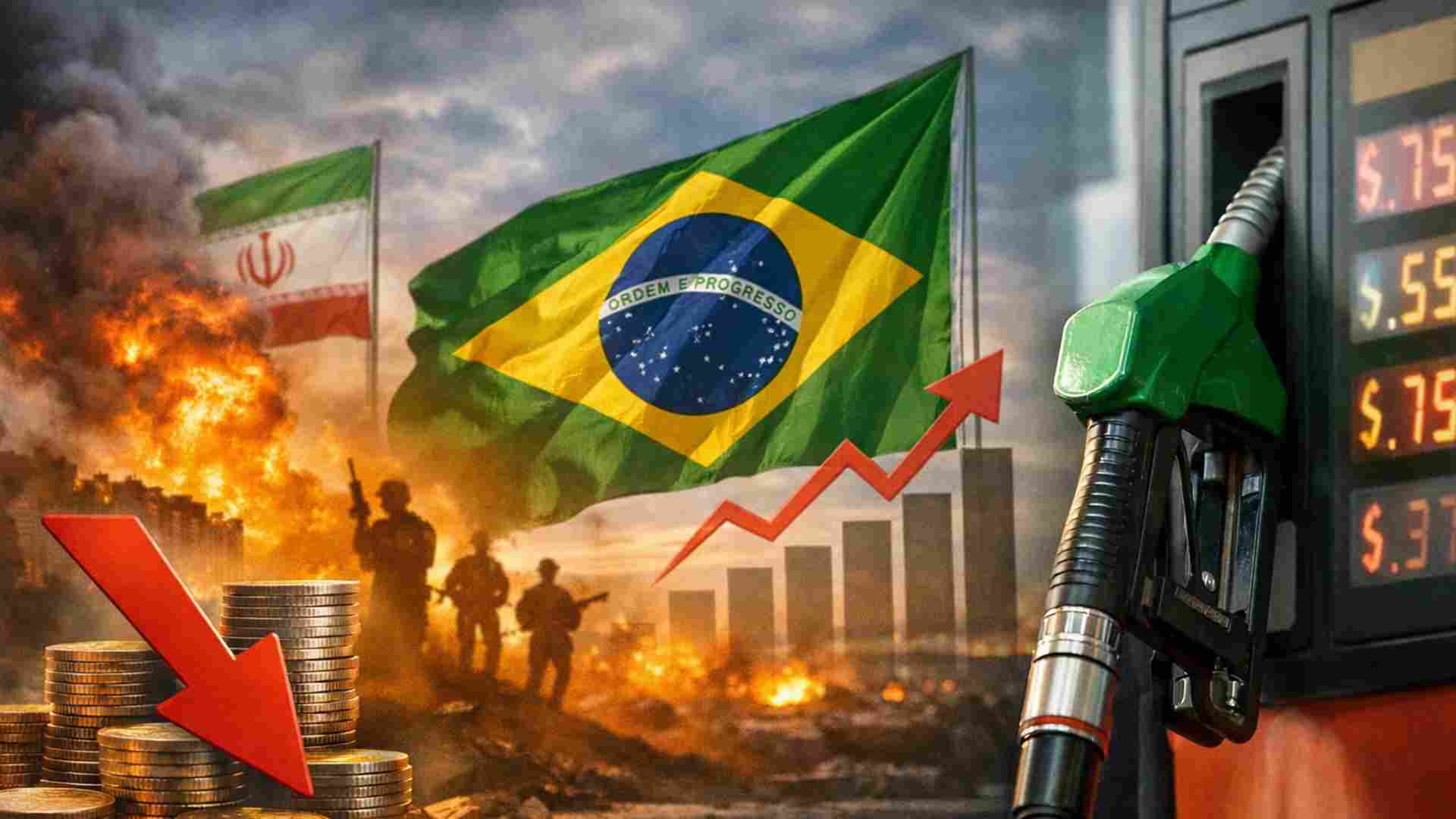

The war in Iran led the Lula government to study a subsidy for gasoline, after measures already announced for diesel and cooking gas, while José Guimarães spoke of new announcements in the coming days, the possibility of greater indebtedness of the country and economic impact with an expectation of lasting two months
The government of Luiz Inácio Lula da Silva is studying offering a subsidy for gasoline to reduce the economic effects of the war in Iran on Brazilian consumers, according to information from Folha. This information was given on Thursday (16) by the new Minister of Political Articulation, José Guimarães, who stated that the measure is under analysis after actions already taken for diesel and cooking gas.
Guimarães said that the government is still drafting additional measures and stated that the goal is to prevent the burden of taxes from falling on the population. He declared that the measures taken so far have been important but insufficient given the broader impact caused by the conflict.
Gasoline and the war in Iran are at the center of new measures
Commenting on the possibility of new public spending, Guimarães even defended increasing national indebtedness to preserve the popular economy. For him, the losses caused by the war in Iran cannot be transferred to the population if it is necessary to expand the state’s efforts to contain the damage.
-
A person from Minas Gerais started as an intern at a technology company, left convinced they wouldn’t return, created their own consultancy, and came back as a partner before becoming president and increasing the revenue from R$ 25.6 million to over R$ 100 million.

-
Hurry: Wikipedia pays up to R$ 2,500 for those who write about Minas Gerais, contest entries end on July 10, 2026, and even beginners can “earn,” with prizes starting at R$ 200.

-
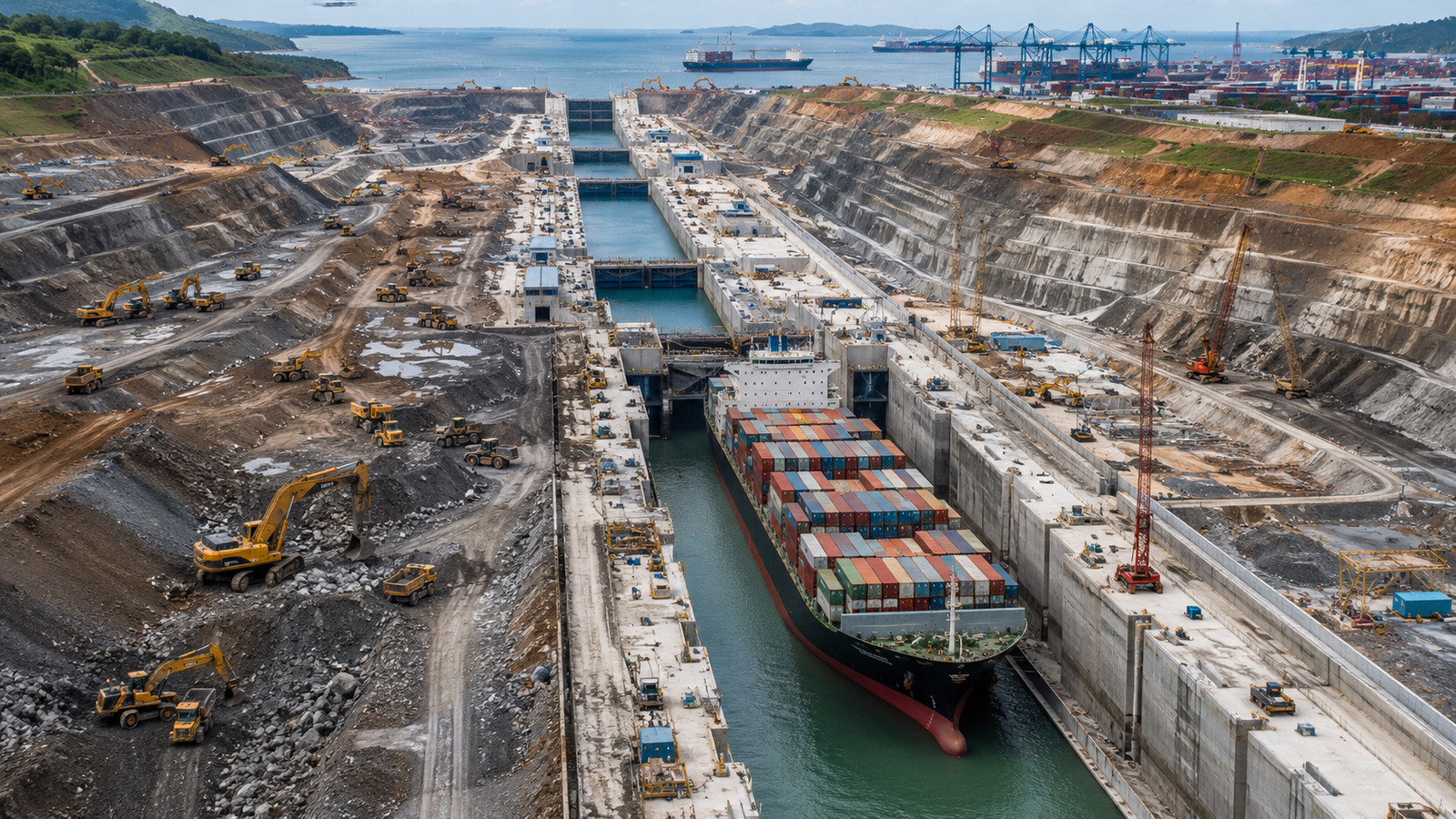
A city with 8,000 inhabitants will receive R$ 25 billion to host the largest single-stage pulp mill in the world, with a production of 3.5 million tons per year and a cost of R$ 45 million.
-
He left India for Oman in 1976, entered through the door of luxury finishes, and took Sobha to the premium real estate market in the Middle East.


The minister also stated that the government should announce new protective actions in the coming days. Among the topics under discussion, he mentioned the indebtedness of Brazilian families as a front that should also receive the president’s attention.
Economic package already includes diesel, cooking gas, and exemptions
With the onset of the effects of the war in Iran on the Brazilian economy, the economic team has already announced a package aimed at controlling inflation.
The measures included the exemption of PIS/Cofins rates on biodiesel and aviation kerosene, in addition to an extra subsidy for diesel and cooking gas.
Guimarães stated that the government is working with the expectation that the war will last two months. He also indicated that the intention is to launch measures similar to those announced on Wednesday (15) for the construction sector, focusing on the Minha Casa, Minha Vida program.
New minister expands speeches on economy and political articulation
During the meeting with journalists, Guimarães also commented on the possibility of revoking the so-called blouse tax.
He stated that he was already against the approval of the measure and assessed that the tax had become one of the factors of weariness for the government, adding that he would view a potential revocation positively.
José Guimarães was chosen by Lula to lead the Secretariat of Institutional Relations, responsible for political articulation between the Executive and Congress, in place of Gleisi Hoffmann. Previously the government leader in the Chamber, he was succeeded in the position by Paulo Pimenta (PT-RS).
Guimarães’ inauguration brought together left-wing parliamentarians and members of the centrão in one of the halls of the Palácio do Planalto. The presidents of both Houses of the Legislative, Hugo Motta from the Chamber and Davi Alcolumbre from the Senate, also participated at a time when gasoline and the war in Iran became central topics in government discussions.