Portuguese
  Spanish


After Exiting Chapter 11, Gol Strengthens Cash and Prepares Fleet Expansion with Boeing 737 MAX; Abra Group Takes Control of 80% and Merger with Azul Under Evaluation
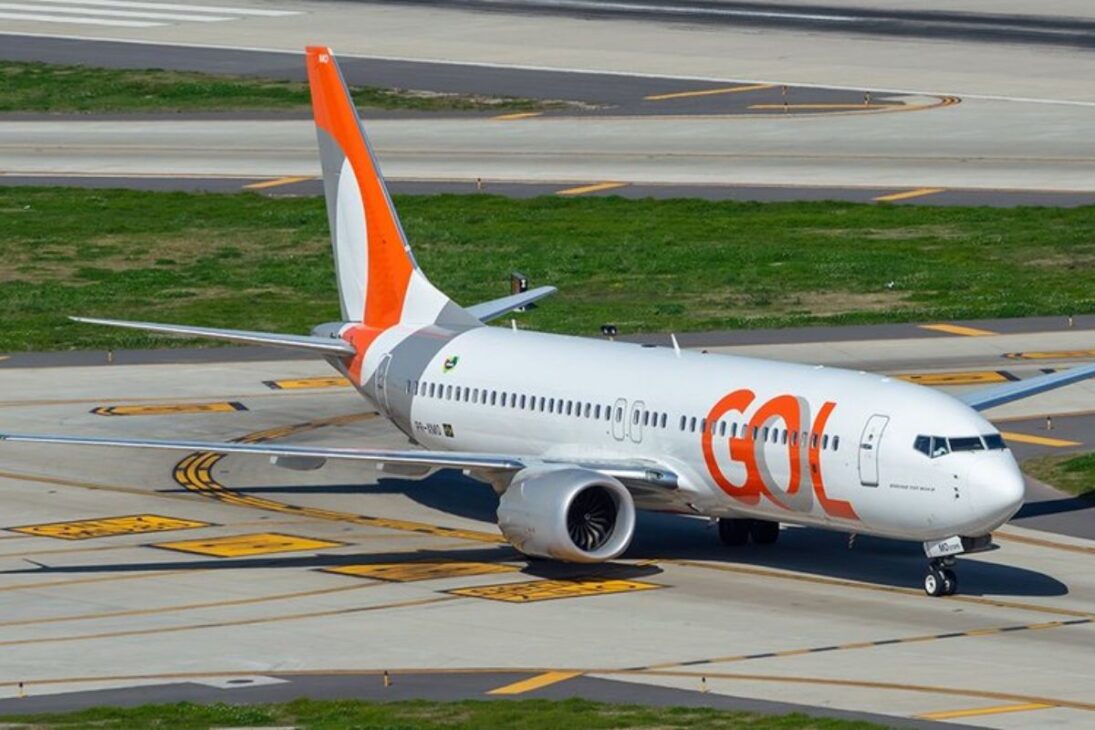
Gol Linhas Aéreas concluded its judicial recovery process under Chapter 11 in the U.S. on June 6, 2025, marking the end of a period of intense adjustments and the beginning of a new operational phase. It has just received US$ 1.9 billion in exit financing and today has US$ 900 million in cash — resources that allow not only to meet commitments but also to drive strategic investments.
The amount was raised through fund infusions from Castlelake and Elliott (US$ 1.25 billion), rights offerings (US$ 570 million), and internal resources (US$ 30 million). About US$ 1.6 billion of previous debts were converted or settled, reducing the leverage ratio to about 5.4×, with a target of 2.9× by the end of 2027.
Fleet Renewal with Boeing 737 MAX and Embraer Under Evaluation
With over 50 engine overhauls completed in 2024, Gol expects to receive five Boeing 737 MAX still this year, part of its modernization plan. The company is also studying the introduction of regional aircraft from Embraer to strengthen its network of smaller destinations. According to CEO Celso Ferrer, Chapter 11 was a “reset” that reorients investments carefully, without haste: the expectation is to recover pre-pandemic levels by 2026, after an increase of 8% to 9% in domestic capacity still in 2025.
-
New Smart Radar Begins Issuing Fines to Solo Drivers in Carpool Lanes, Uses Cameras to Count Occupants, Changing Traffic Enforcement Rules on Busy European Roads

-
Brazil Welcomes Spanish Wamos Air and Nigerian Air Peace, Potentially Transforming International Routes and Increasing Competition
-
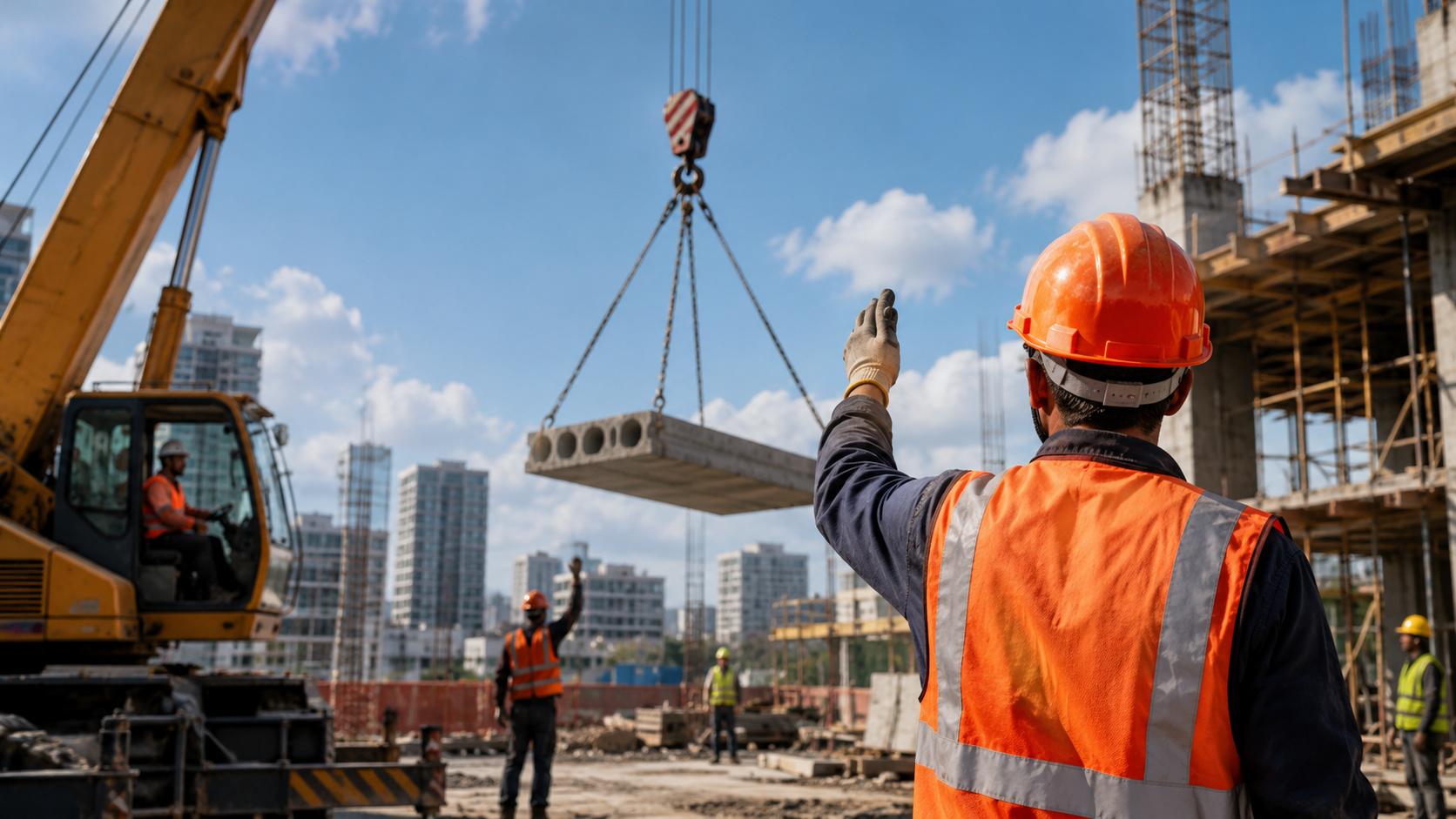
Why can the crane operator only obey the correct signalman on the construction site: among dozens of workers, a hand raised by the wrong person can confuse the maneuver and turn a load of tons into an immediate risk.
-
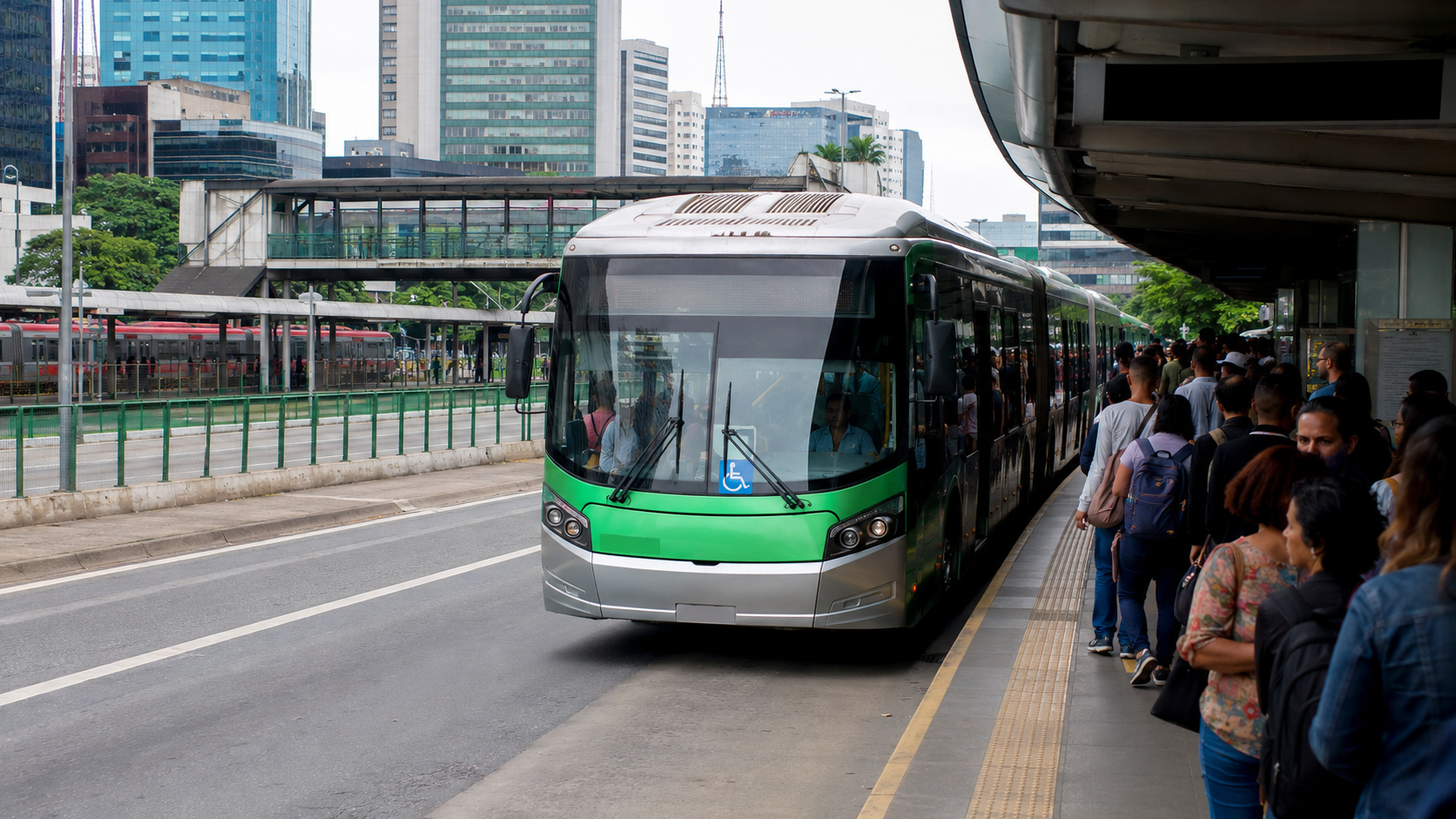
What changes with the new public transportation rules that can reduce pressure on fares and pave the way for zero fare in Brazil?


The resumption of the international network goes through strategic connections, such as between Florida and the far south of Argentina, reducing dependence on the domestic market. This strategy helps protect Gol against currency exposure and ensures resilience in the face of internal economic challenges.
Meanwhile, Abra Group — which already controls Avianca — increased its stake in Gol from approximately 54% to about 80%. As part of the repositioning, Antonio Kandir took over as vice president and Manuel Irarrázaval Aldunate joined the board, replacing Ricardo Constantino and Paul Aronzon. According to Adrian Neuhauser from Abra, this restructuring leaves the company “in a more competitive and sustainable position, with solid cash and more efficient costs.”
Discreet Negotiation with Azul
Gol and Azul signed a memorandum of understanding via Abra in January to evaluate a potential merger, but the process remains cautious, especially after Azul filed for Chapter 11 in May. Ferrer emphasized that the feasibility of the union will be evaluated according to the real benefits in route networks and financial synergies. Regulatory analysts point to a concentration risk of up to 60% of the domestic market, which will increase scrutiny from CADE.
Next Moves for Gol
The expectation now focuses on four fronts: receiving the five MAX aircraft in 2025; gradual recovery of the domestic network; careful expansion into international routes; and the course of discussions with Azul under regulatory oversight. The trajectory of leverage will be crucial to assess the evolution post-restructuring.
Gol is now resuming aviation under the parameters of strategic execution: healthy cash flow, modern fleet, and strong command by Abra. This tripod will form the support for the company to face the future with credibility and operational consistency.