






 Portuguese
  Spanish


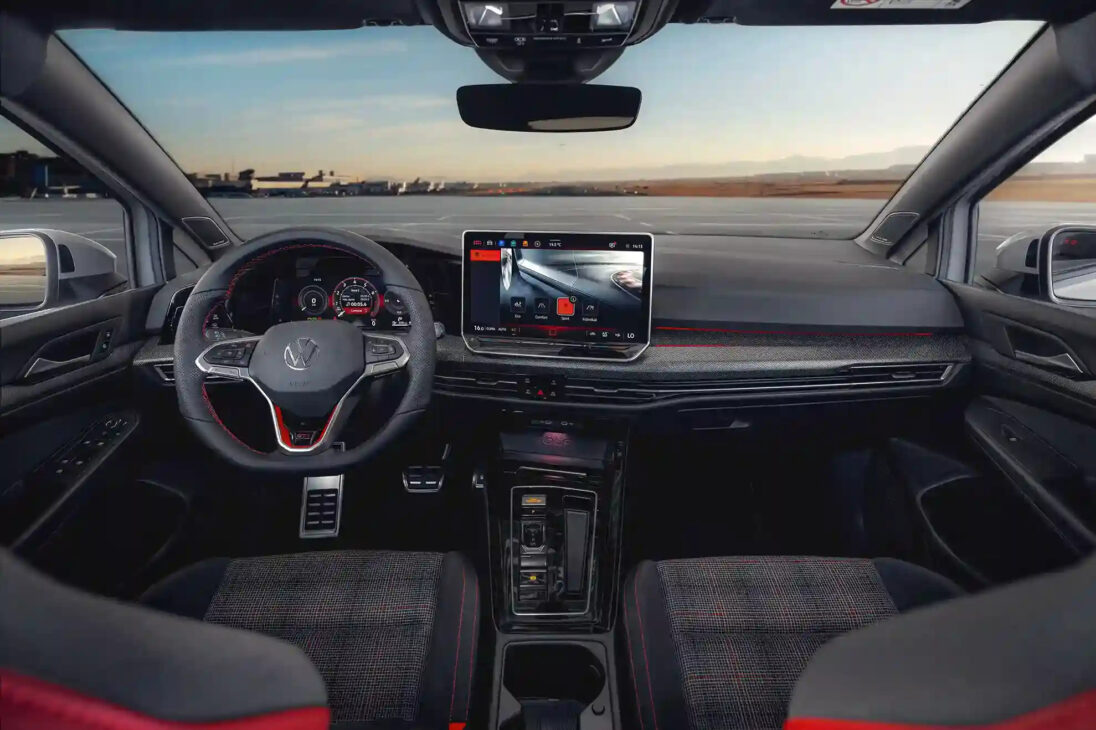
Have you ever stopped to think about how a car manufacturer can turn a car into an object of desire while at the same time preventing it from becoming a target for speculators? It is exactly this bold move that Volkswagen is preparing for the Golf GTI in Brazil, drawing inspiration from a common practice of Ferrari. It is not just about selling a car: it is about creating an experience of belonging, exclusivity, and status.
Golf GTI and the Strategy Inspired by Ferrari
When Ferrari launches a model, it carefully selects who has the right to buy. This prevents opportunists from buying just to resell at a markup. Volkswagen has decided to take the same path with the Golf GTI, which will arrive in Brazil on pre-sale scheduled for September 6, 2025.
However, to secure a unit, it is not enough to have money in your pocket. It will be necessary to prove a history of ownership of other special models from the brand, such as the Polo GTS, Virtus GTS, or Jetta GLI. Furthermore, the policy is clear: one Golf GTI per CPF or CNPJ, and dealership groups will only have access to a highly limited number of units, a maximum of five per region.
-
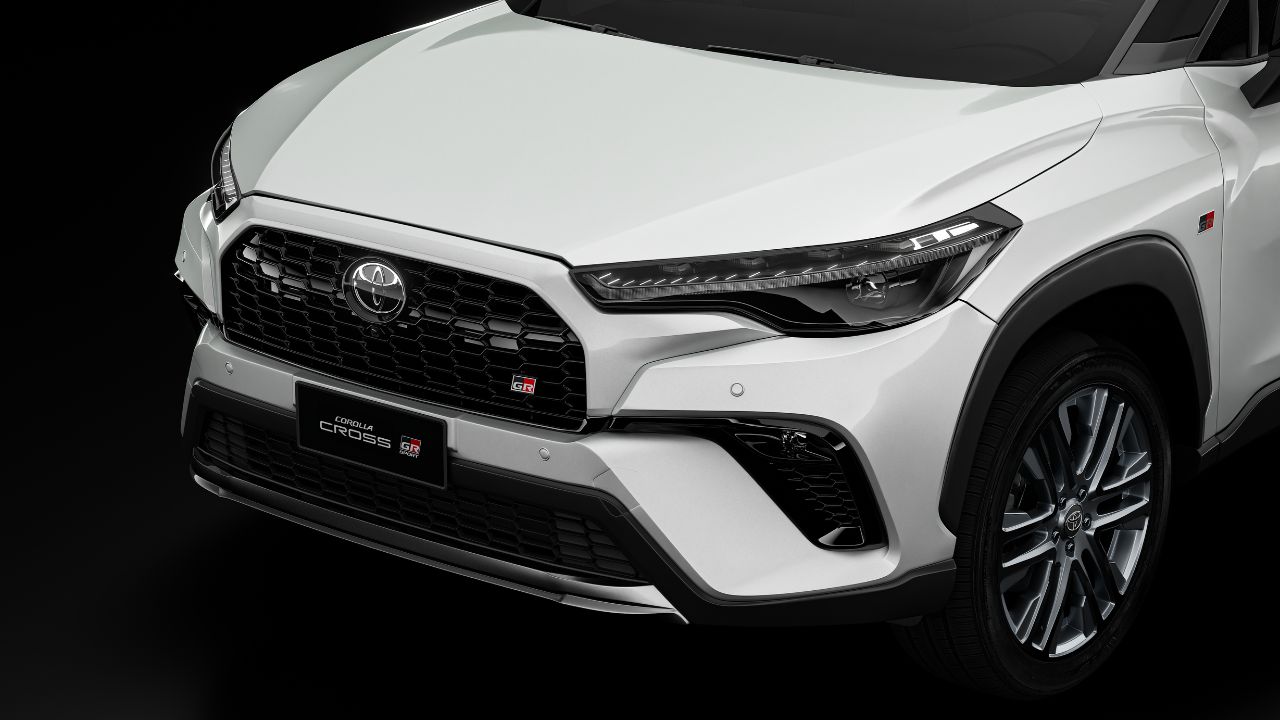
2027 Toyota Corolla Cross Unveiled: New Design, Enhanced Fuel Efficiency, Reduced Maintenance Costs, Advanced Technology, Connected Services, and Up to 10-Year Warranty

-
Fiat Cronos Precision 2018: Affordable Sedan with Spacious Trunk and Reliable Maintenance
-
Volkswagen to Cut Production by 1 Million Cars by 2030, Reducing Jobs and Platforms, Focusing on More Profitable Models

-
Toyota Launches First 100% Electric Car in Brazil: bZ4X with 343 HP, All-Wheel Drive, 361 km Range, Priced at $419,990 BRL, Limited to 99 Units



This strict control aims to keep the car away from speculators, reinforcing its symbolic and emotional value.
Repurchase Agreement: The Lock Against the Parallel Market
Another striking point of the strategy is the repurchase agreement. Just like Ferrari does, Volkswagen will include a clause that prevents immediate resale to third parties. In case of withdrawal, the automaker itself will have the preference to buy the car back.
This mechanism prevents the GTI from becoming currency in the parallel market, where rare models can be resold for values well above the list price. For car enthusiasts, this measure ensures that access will be fairer, and not just a race for those with more bargaining power.
The Buying Experience as a Differentiator
More than just owning a car, Volkswagen is betting on a community experience. Each buyer will receive an exclusive kit, consisting of a personalized acrylic plaque, “GTI Club” membership card, special keychain, and even sunglasses in partnership with Chilli Beans.
The first deliveries are scheduled for 2026, many of them at racetracks, reinforcing the sports DNA of the GTI. The feeling is clear: who manages to buy will not be just acquiring a vehicle, but entering a restricted club.
Golf GTI and Its Legacy in Hot Hatches
The GTI carries a heritage that goes far beyond a simple sports hatch. Since its emergence, it has been a symbol of accessible performance, a balance between comfort and power, and an icon among driving enthusiasts.
In Brazil, the arrival of the Golf GTI has always generated expectations. Now, with stricter purchasing rules, this prestige is likely to intensify even more. The limitation of access tends to make each unit an almost collectible item, enhancing both the GTI name and the Volkswagen brand.
The Electric Future of the GTI
It is worth noting that Volkswagen has already announced that the next Golf GTI will be 100% electric, based on the SSP platform, with an estimated range of 450 km. The projected debut in Europe is set for 2026, showing that the model remains relevant even in the face of technological transition.
This detail reinforces the importance of the current launch in Brazil: it could be the last combustion version of the GTI to arrive here. For collectors and fans, this is an extremely emotional factor. After all, it is about having a piece of history before the definitive shift to electrification.
Exclusivity or Elitization?
Volkswagen’s strategy generates divided opinions. For some, it preserves the essence of the GTI, ensuring that only true fans have access. For others, it may sound like elitization, as it restricts the audience and makes the dream of many enthusiasts more difficult.
However, it is necessary to consider that the hot hatch market has changed a lot in recent years. With SUVs dominating the scene, preserving the charm of the GTI may depend precisely on measures like this, which reinforce the symbolic value of the car.
The Strategic Vision of Volkswagen
Adopting a tactic similar to Ferrari may seem bold for a volume brand like Volkswagen. But looking at the current scenario, the move makes sense. The Golf GTI is not just another model on the shelf: it is the personification of a historic lineage and an automotive lifestyle.
By creating barriers to entry, the brand ensures that each unit delivered carries not only the GTI logo but also the weight of exclusivity. This strategic vision transforms the car into an emotional asset, something that goes far beyond simple mobility.
What Volkswagen is about to do with the Golf GTI in Brazil is a repositioning movement. By limiting, controlling, and transforming the purchase into an exclusive ritual, it elevates the car’s status to another level.
It remains to be seen whether this exclusivity will be viewed as a positive privilege or as a frustrating barrier. In any case, the Golf GTI continues to fulfill its role: to ignite passion, fuel the imagination of enthusiasts, and show that, in some cases, driving is still about emotion — and not just about reaching the destination.








