Portuguese
  Spanish


Gates with a wood-like appearance and aluminum structure advance on facades by combining sophisticated appearance, weather resistance, and automation compatibility, in a change that accompanies the search for more practical, modern, and easy-to-maintain residential projects.
The aluminum gates with a wood-like finish have gained space in residential facades by combining sophisticated appearance, corrosion resistance, and reduced maintenance, features that meet the search for more practical solutions in houses and condominiums.
In contemporary constructions, the gate has ceased to fulfill only a security function and has become part of the visual composition of the facade, alongside walls, gardens, external lighting, and coatings chosen to enhance the property.
For many years, iron was one of the most common choices for conveying robustness and protection, but constant exposure to sun, rain, and humidity requires periodic care against rust, wear, and loss of finish.
-
At a depth of 750 meters, scientists find real gold trapped in the so-called “fool’s gold,” with a content of up to 1.9% in microscopic grains, but the record concentration still does not confirm a deposit ready for commercial exploitation.

-
Mother discovers she may have won £12 million in the lottery but faces an agonizing wait after the shopkeeper threw the ticket in the trash.

-
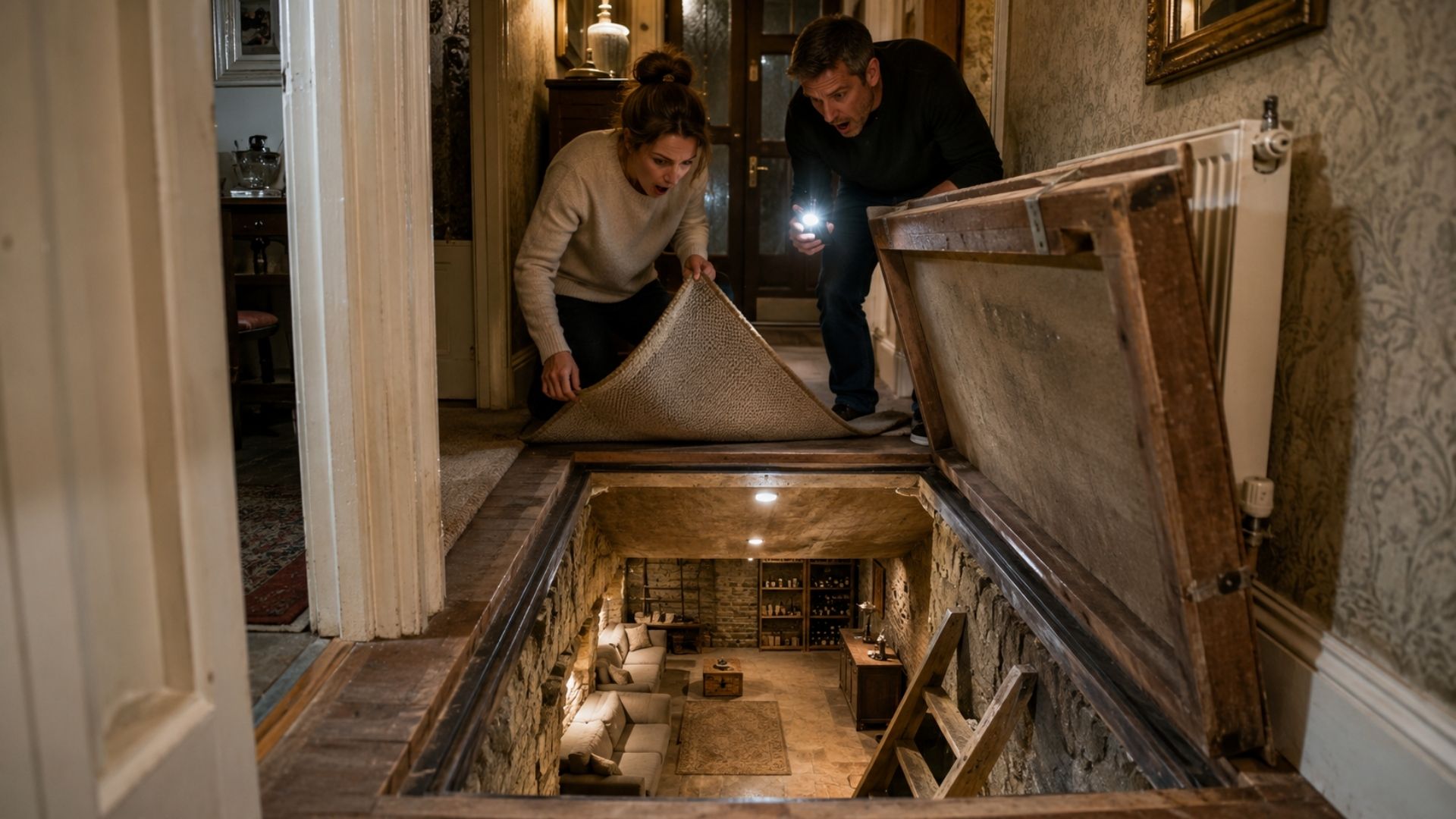
A couple bought a house in Sheffield and, when removing the carpet from the hallway, found a trapdoor leading to a secret 23 m² basement with a 2-meter ceiling height, a discovery that eliminated the need for an expensive extension and, according to them, added £70,000 to the property’s value.
-
A nurse bought for 20,000 a 1955 house abandoned by a hoarder in Texas, and months later, rain revealed a buried pool in the backyard valued at $160,000, which he restored himself for about $10,000, a fraction of the cost of building a new one.



Aluminum, on the other hand, stands out for its corrosion resistance and durability in applications related to construction and design, according to the Brazilian Aluminum Association, which cites the use of the metal in facades, frames, coverings, furniture, and decoration.
Why aluminum advanced in residential facades
Among the factors driving this advancement are the lightness, resistance, and aesthetic versatility of aluminum, which allow for the manufacture of gates with straight lines, continuous surfaces, and more discreet structures.
This combination favors projects with a clean and visually organized facade, especially in renovations and new constructions that seek to reduce the dependency on frequent maintenance without giving up a more sophisticated finish.
According to the Aluminum Association, aluminum is also used in civil construction because of its durability, beauty, corrosion resistance, and the relationship between strength and weight, attributes valued in modern architectural solutions.
Although the material reduces common problems in options more vulnerable to oxidation, the durability of the set depends on correct installation, suitable hardware, periodic cleaning, and a choice compatible with the climatic exposure of the property.
The wood-like finish has increased the acceptance of aluminum because it offers the visual aspect of wood without requiring the same maintenance routine, such as recurring application of varnish or treatments against humidity, sun, and surface wear.
Wooden look without heavy maintenance routine
For those who want a more welcoming facade, the wood-like effect serves as an alternative to natural wood exposed to the elements, especially in gates used daily that need to maintain a regular appearance for longer.
With more precise painting and coating technologies, manufacturers can reproduce shades and textures similar to wood, while the metallic base preserves the proposal of resistance, lightness, and low maintenance.
This balance between warm visuals and technical performance suits properties of various styles, from single-story houses with minimalist facades to urban townhouses, condominium residences, and projects that combine concrete, glass, stone, and landscaping.
The possibility of customization also weighs in the choice, as aluminum allows for different colors, patterns, and shapes, facilitating the adaptation of the gate to the architectural design without compromising the visual unity of the residence.
In coastal regions, very humid areas, or places with high solar incidence, however, the choice should consider stricter specifications of finish, hardware, and installation to preserve the performance of the set.
Automation enhances practicality in daily use
The modernization of gates includes automated systems with remote control opening, push-button operation, sensors, and integration with mobile apps, provided the set is compatible with the motor and electrical installation.
For residents who enter and leave the house by car, this integration brings more practicality in daily life, especially on rainy days or during peak street traffic times when manual opening becomes less convenient.
Despite the technological appeal, automation requires professional installation, correct motor sizing, preventive maintenance, and attention to safety devices, as failures in these areas can compromise functionality and user protection.
The choice between sliding, tilting, or pivoting opening also affects the final result, as each system requires available space, type of track, support structure, and compatibility with the facade design.
Besides the opening system, the desired level of privacy guides the ideal model, as closed gates reduce internal visibility, while versions with slits or openwork designs make the facade lighter.
What to consider before installing an aluminum gate
Before replacing an iron gate with a wood-like aluminum model, it’s worth evaluating the region’s climate, span measurements, frequency of use, style of the residence, available budget, and need for automation.
This analysis also includes hinges, pulleys, tracks, locks, and motors, components that directly influence the durability of the set and can compromise performance even when the gate leaf uses good quality material.
In renovations, the existing structure needs to be checked carefully, especially when the change involves a model alteration, weight change, motor installation, or adaptation of electrical points already present at the property’s entrance.
The demand for aluminum with a wood-like appearance is growing precisely due to the combination of factors such as appearance aligned with contemporary designs, resistance for outdoor use, and less dependency on frequent repairs.
Even with iron still present in many properties, lighter, customizable materials compatible with automation reinforce the search for functional facades, uniform finish, and simpler maintenance in everyday residential life.