





 Portuguese
  English
  Spanish
  5 min of reading
  0 comments


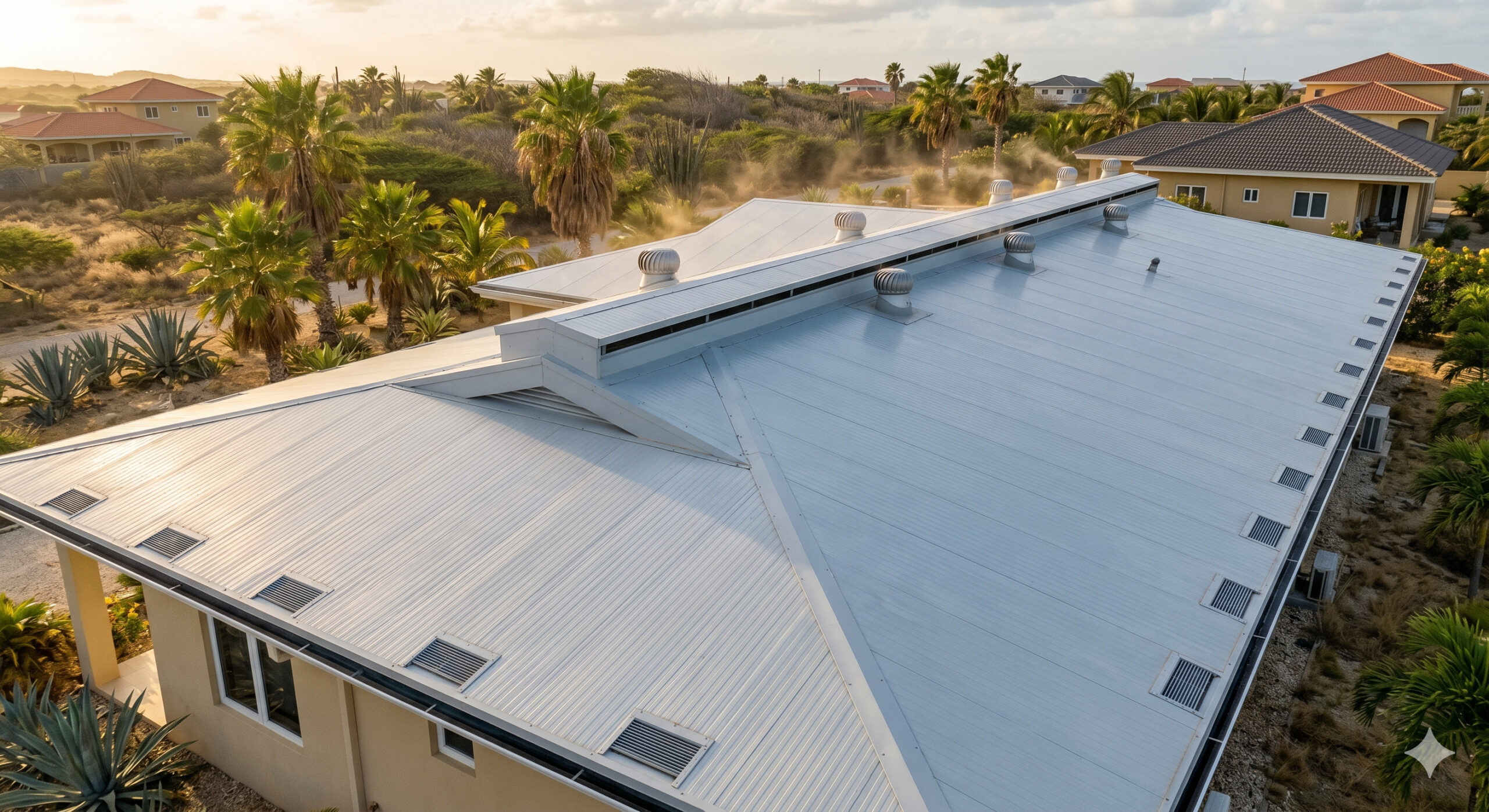
Sandwich roof with cross ventilation reduces up to 8°C inside the house and emerges as an alternative to air conditioning in hot regions.
In 2024, in a context of greater pressure for thermal comfort and energy efficiency in buildings, passive cooling solutions have returned to the center of technical debate. Among them, the combination of insulated roofing, such as the sandwich roof, with cross ventilation appears as a relevant alternative to reduce internal heat in homes without fully relying on electrical equipment. In technical material published by the Ministry of Mines and Energy in July 2020, bioclimatic architecture is defined precisely as the use of local climatic conditions to generate comfort with lower energy expenditure.
This approach is far from experimental. In an official report published by the Ministry of Cities in June 2018, the government highlights that openings for ventilation and the use of cross ventilation have a significant influence on the thermal performance of homes. In a study published in the Journal of Engineering and Technology in April 2020, simulations for Belém indicated that roofs with sandwich tiles reached an estimated internal temperature of 30.85°C, below the 34.74°C observed with fiber cement tiles.
In another work presented at ENTAC in November 2022, researchers showed that insulation in the roof improves thermal performance, although the final result always depends on factors such as solar orientation, openings, absorptance, and local ventilation conditions.
-
Seven world powers including the US, China, and Russia are spending €22 billion on a reactor in the south of France that aims to confine plasma at 150 million degrees Celsius, ten times the temperature of the Sun’s core, using a magnetic field capable of lifting an entire aircraft carrier.

-
Russia will build 10 facilities for recycling construction waste by 2030, including a 462,000-ton-per-year plant in the Kirov region that will transform rubble into laminated wood panels in the largest project of its kind ever planned in the country.
-
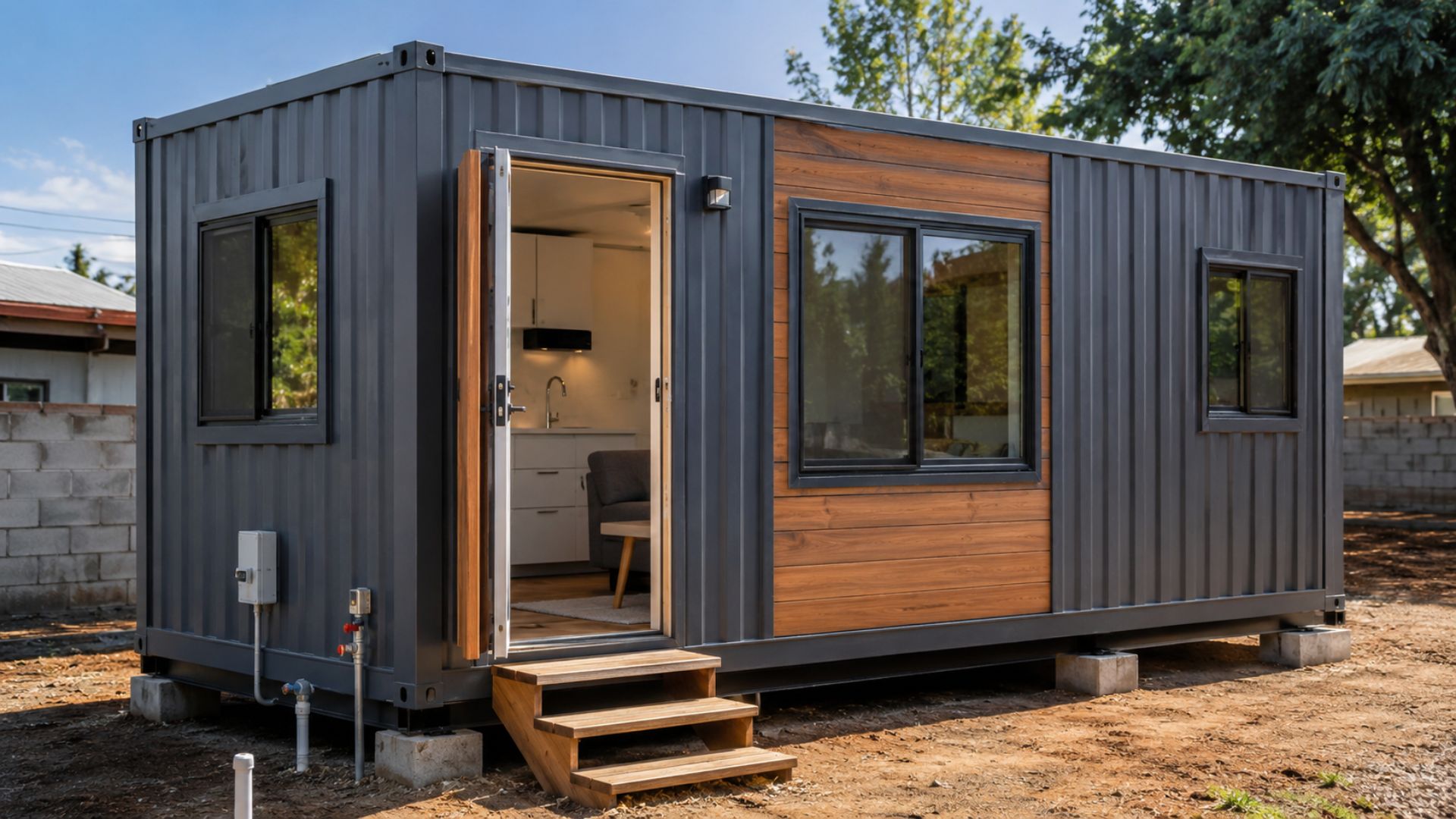
A two-bedroom container house measuring about 30 m² was delivered for R$ 76,500, with electrical, plumbing, painting, doors, and windows already installed: the client only needed to connect water, electricity, and sewage.
-
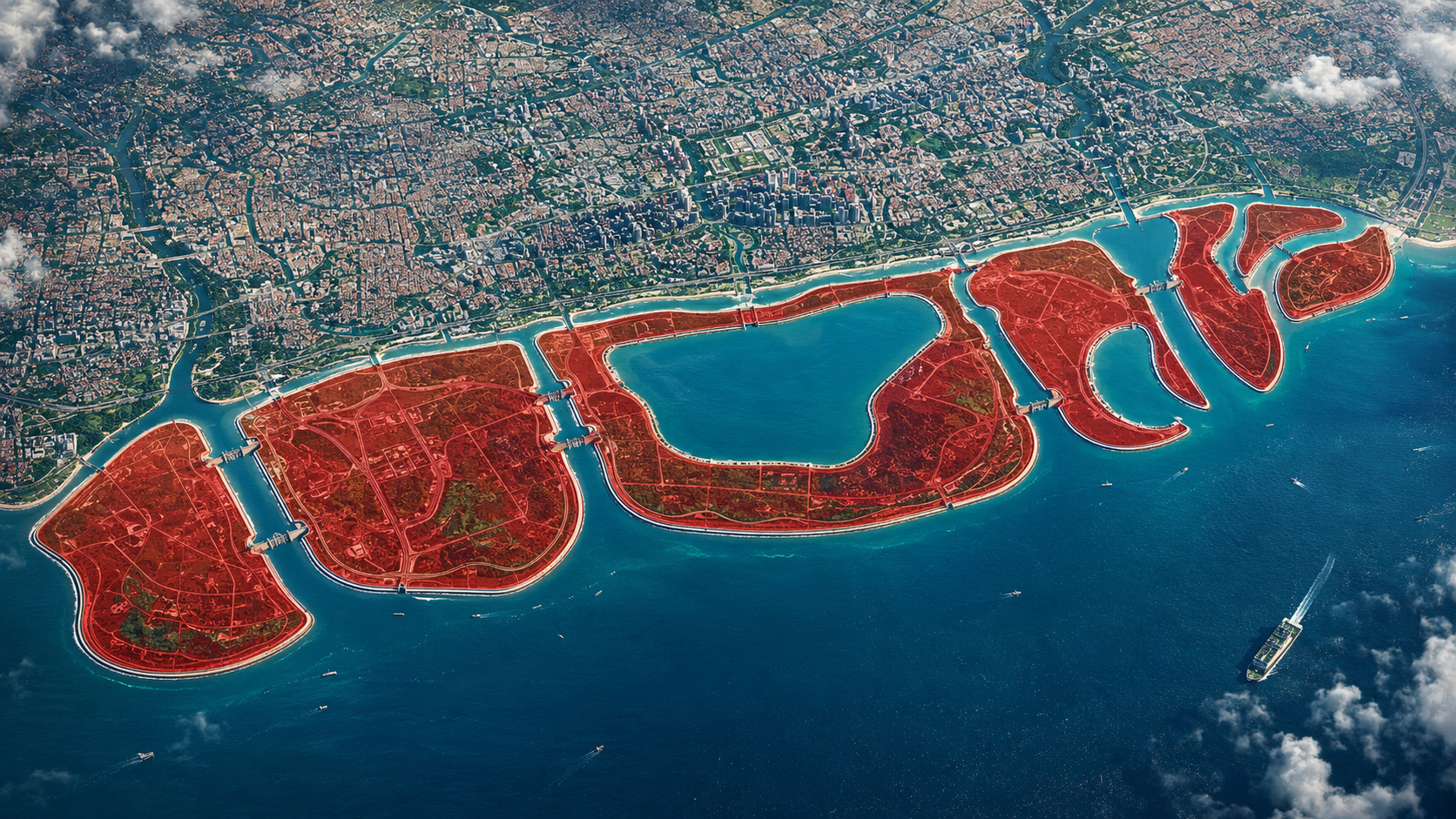
Singapore’s colossal project aims to transform 800 hectares of the ocean into a “barrier island” the size of 1,120 football fields, with floodgates, pumps, and a freshwater reservoir to hold back the advancing sea on the east coast.



How the sandwich roof works and why it reduces heat so much
The so-called sandwich roof is made up of three layers:
- An outer metal layer (usually galvanized steel or aluminum)
- An insulating core (such as polyurethane or expanded polystyrene – EPS)
- An inner finishing layer
This insulating core is primarily responsible for thermal performance. It acts as a barrier that prevents the direct transfer of heat from the roof to the interior of the house.


In conventional roofs, especially with metal or fiber cement tiles, solar radiation heats the outer surface and this heat is quickly transferred inside the environment. In the sandwich system, insulation drastically reduces this thermal conduction.
In practice, this means that the heat absorbed by the roof does not reach the interior of the residence with the same intensity.
Cross ventilation enhances cooling without energy use
The second fundamental element of this solution is cross ventilation. This concept consists of positioning openings — such as windows, doors, or shutters — on opposite sides of the building, allowing the wind to flow continuously through the environment.
When combined with the sandwich roof, cross ventilation works by removing the hot air accumulated inside the house and replacing it with cooler air.

This constant flow creates a natural cooling effect, reducing the thermal sensation and improving indoor air quality.
The efficiency of this system depends on factors such as:
- Predominant wind direction
- Distribution of openings
- Height of the ceiling
- External obstacles
Even so, when well designed, the result can be significant, especially in hot and dry regions.
Reduction of up to 8°C is linked to specific design conditions
The reduction of up to 8°C is not a universal fixed value, but rather a result observed under ideal application conditions.
This performance usually occurs when:
- The roof has adequate thermal insulation
- The house receives high direct solar incidence
- There is constant natural ventilation
- The design favors air circulation
In dense urban environments, with little natural ventilation, the gain may be smaller, but still relevant. The central point is that the solution acts directly on the source of the problem: the entry of heat into the building.
System reduces dependence on fans and air conditioning
One of the main practical consequences of this technology is the reduction in the need for air conditioning equipment.

With lower thermal gain throughout the day, the house maintains more stable temperatures, which reduces the use of:
- Fans
- Coolers
- Air conditioning
This effect can generate direct savings on the electricity bill, especially in regions where air conditioning is frequently used.
Additionally, it reduces the environmental impact associated with energy consumption and heat emission to the external environment, a common phenomenon in urban areas.
Application grows in hot regions and low-cost projects
The use of sandwich panels is already common in industrial warehouses, supermarkets, and commercial buildings. However, in recent years, the technology has started to gain ground in residences as well.
This occurs mainly in regions such as:
- Northeast
- Central-West
- North of Brazil
Where the intense heat for a large part of the year makes passive solutions more attractive. Although the initial cost of the sandwich roof is higher than that of conventional tiles, the reduction in energy use and the gain in thermal comfort make the investment competitive over time.
Bioclimatic architecture reinforces the importance of passive solutions
The combination of insulated roofing with cross ventilation is not an isolated solution, but part of a larger approach. Bioclimatic architecture considers factors such as:
- Solar orientation of the building
- Wind direction
- Materials used
- Natural shading
The goal is to reduce the need for energy for climate control, making the most of the natural conditions of the environment.

In this context, the sandwich roof acts as a thermal barrier, while cross ventilation functions as an air renewal mechanism.
Solution also improves thermal comfort at night
Another important effect of this technology is thermal stability throughout the day and night.
In conventional buildings, the heat accumulated during the day continues to be released into the interior even after sunset, keeping the environment warm at night.
With efficient thermal insulation, this accumulation is reduced, allowing the house to cool down more quickly after dark. This improves sleep quality and reduces the need for artificial night ventilation.
What do you think of this solution to reduce heat inside the house
With increasingly high temperatures and rising energy costs, solutions that directly affect the structure of the building are beginning to gain prominence.
The combination of sandwich roof with cross ventilation shows that it is possible to significantly reduce internal heat without relying solely on electrical technology.
Do you believe that this type of solution can replace air conditioning in some regions or do you still see it as a complement within modern constructions?








-

-

3 people reacted to this.