






 Portuguese
  Spanish
  4 min of reading
  0 comments


The situation involving Brandon showed how rent in Silicon Valley led a Google engineer to live in a truck on the company’s own campus
A Google employee started living in a truck of approximately 12 m², parked on the company’s campus, to escape the high cost of housing in Silicon Valley.
The information was published by Business Insider, a business and technology news site. The case came to light on October 20, 2015 and involved Brandon, a 23-year-old software engineer identified only by his first name.
The choice attracted attention because it did not involve a lack of employment. On the contrary, Brandon worked at one of the largest technology companies in the world, but saw the rent near work as an expense difficult to justify.
-
To escape one of the most dangerous seas in Europe, Norway is advancing with a giant tunnel that will allow ships to pass through a mountain, avoiding storms, unpredictable waves, and a route that has frightened sailors for generations.

-
INSS issues alert to retirees: decisive deadline ends this week and millions of beneficiaries may lose access to amounts that already total R$ 3.2 billion; measure involves deductions made between 2020 and 2025
-
Forget the dollar: Brazil, China, Russia, and India accelerate testing of the BRICS system to challenge SWIFT, reduce US influence, and expand transactions in national currencies, which already account for 67% of the bloc’s trade.
-
Brazil conducts the largest cleanup in history and removes over 800 tons of electronic waste; the initiative mobilizes 300 volunteers, has already collected 47 tons in 2025, and prevents thousands of devices from contaminating soil and water.


The 12 m² truck at Google became an improvised room next to a technology giant
Brandon moved from Massachusetts to work in the San Francisco Bay Area in mid-May. Instead of renting an expensive apartment, he decided to turn a 2006 Ford truck into a home.
The vehicle was about 12 m², enough space for just the basics. The interior area included a bed, dresser, and a rack for hanging clothes.
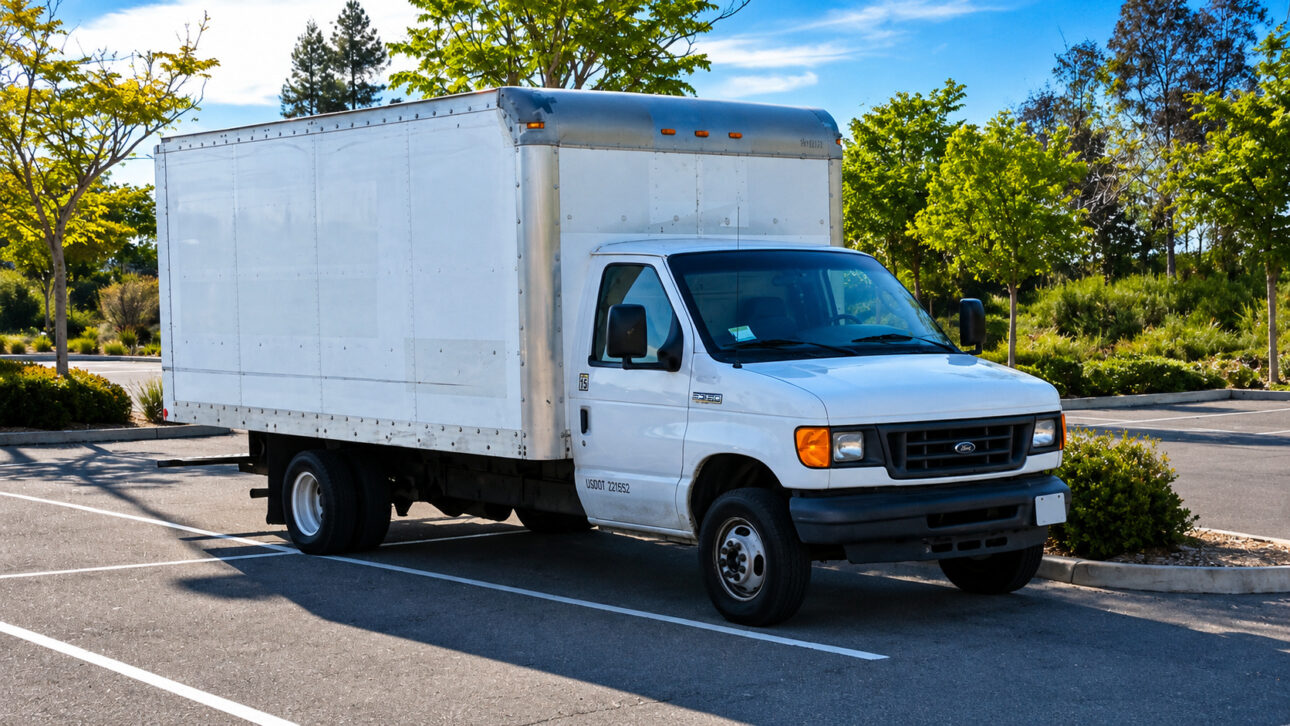
The truck cost US$ 10,000, paid with the hiring bonus. The idea was to reduce fixed expenses and use the money that would go to rent on student debts and investments.
The routine was simple and limited. The truck functioned mainly as a place to sleep, not as a complete home.
Rent in Silicon Valley pushed Brandon to an extreme solution
The central point of the case is the cost of living near work. Before deciding to live in the truck, Brandon had used cheap corporate housing during an internship at Google.
This option combined two bedrooms and four people, for about $65 per night, which was close to $2,000 per month. For him, the amount was too high for a place where he hardly stayed.
Business Insider, a business and technology news site, detailed that Brandon wanted to save about 90% of post-tax income. The goal was to direct this money towards student loans and investments.
The case helps the Brazilian reader understand a common problem in big cities: living close to work can consume a significant part of the salary. When rent, transportation, and food are added up, the gap between a good job and a comfortable life is smaller than it seems.
Google campus became an extension of the house, with food, gym, and bathrooms
The decision was only possible because the Google campus offered a structure used daily by Brandon. He showered at the company gym after exercising in the morning.

Meals were also taken at work. Breakfast, lunch, and dinner were part of the campus routine, which further reduced expenses outside the truck.
The fixed cost mentioned was the vehicle insurance, of $121 per month. Brandon did not use electricity in the truck, and the cell phone bill was managed by Google.
This dependence on corporate structure highlights an important point. The truck was not a common home, but a solution linked to the work environment, company benefits, and daily access to the campus.
Extreme savings had a price, because the truck did not offer the comfort of a house
The story may seem curious, but it should not be treated as an ideal life. The truck did not have its own bathroom, heating, air conditioning, and other modern amenities.
The limited space required a very controlled routine. Brandon slept in the vehicle but relied on work for hygiene, food, and part of everyday life.
The savings were real, but they came with sacrifices. Living in 12 m² in a parking lot means giving up privacy, comfort, and basic structure.
The case also exposes a shift in the relationship between work and personal life. When the campus provides food, showers, and a gym, the company stops being just a workplace and starts to take on household functions.
What this case reveals about expensive cities and living close to work
Brandon’s case became a symbol of an urban dilemma: even a tech salary can struggle with housing costs when the city becomes too expensive.
In Silicon Valley, the concentration of companies, well-paid jobs, and competitive real estate creates strong pressure on those who want to live close to work. Brandon’s truck highlighted this problem in a simple and visual way.
For the Brazilian public, the comparison is direct. In capitals and metropolitan regions, many people also need to choose between high rent close to work or hours of commuting every day.
The difference is that Brandon had access to an unusual corporate structure. Without food, gym, and bathrooms available on campus, living in a truck would have been much more difficult.
The story of the Google employee who lived in a 12 m² truck in the company parking lot shows how housing costs can lead people to radical decisions, even when there is formal employment and a salary in a large company.
The case should not be seen as a simple solution to expensive rent. It works better as a warning about cities where working close to major centers is becoming increasingly difficult.
Would you have the courage to give up a regular home to save on rent, or does this type of choice indicate that something is wrong with the cost of living close to work? Share your opinion in the comments.





Be the first to react!