






 Portuguese
  Spanish


The Buses4Homeless project transforms retired double-decker buses into shelters for homeless people, repurposing vehicles that have lost their function in transport to create spaces for rest, dining, socializing, and learning in London
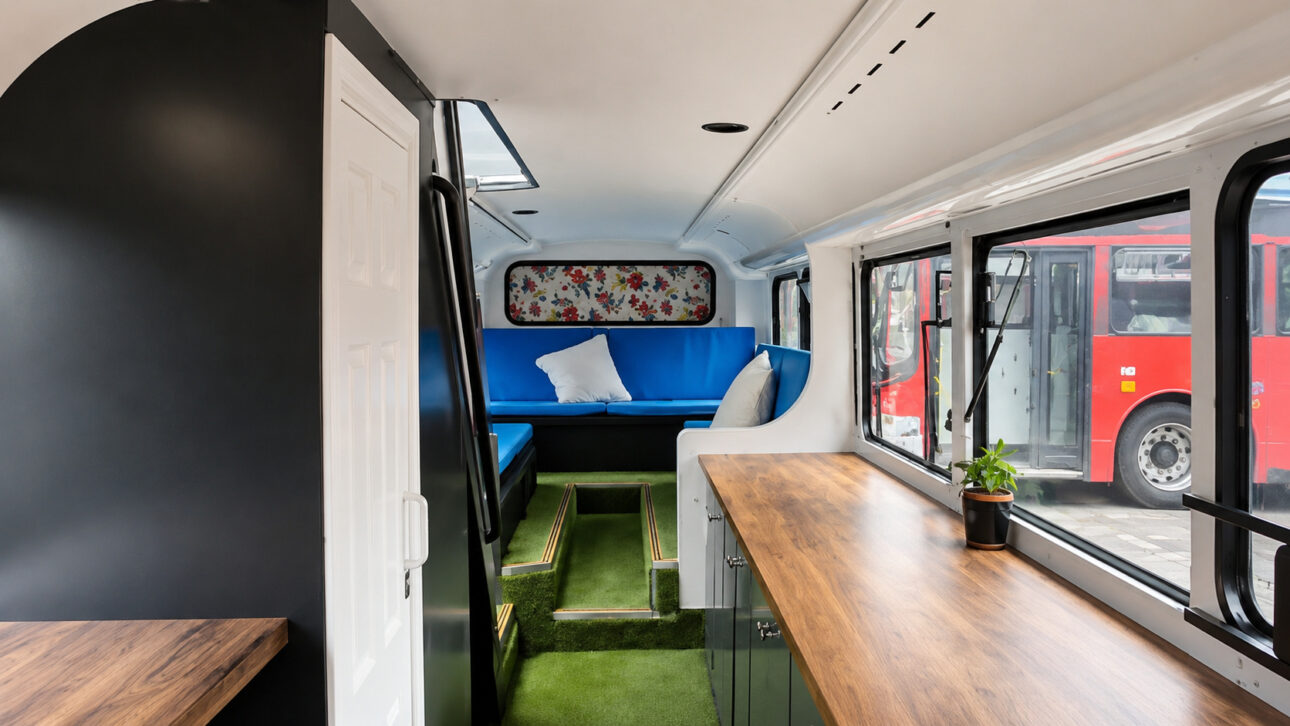
The red bus that once carried passengers through the streets of London has now become a shelter for homeless people. The idea draws attention because it transforms one of the city’s greatest symbols into a welcoming space for those who had nowhere to sleep.
The proposal uses retired double-decker buses to create areas with beds, a kitchen, a dining room, and a learning space. The information was published by Buses4Homeless CIC, a registered social enterprise focused on homeless people.
The impact lies in the simplicity of the solution. Instead of leaving old vehicles unused, the project shows how a well-known urban structure can gain another function and become a temporary social shelter.
-
Explore the History, Architecture, and Unique Features of Arena Fonte Nova, One of Brazil’s Most Iconic and Modern Football Stadiums

-
Indian School in Assam Expands Enrollment by Accepting Plastic Waste as Tuition Payment

-
Parintins Festival 2026 Celebrates Amazonian Tradition with Three Nights of Competition Between Caprichoso and Garantido, Highlighting Its Cultural Significance in Brazil
-
Brazilian Mayor Goes Undercover as a Person with Disability, Exposes Public Service Flaws


How a double-decker bus becomes a shelter for homeless people
The transformation begins when the bus is no longer used in urban transport. The seats make way for areas of rest, dining, socializing, and support.
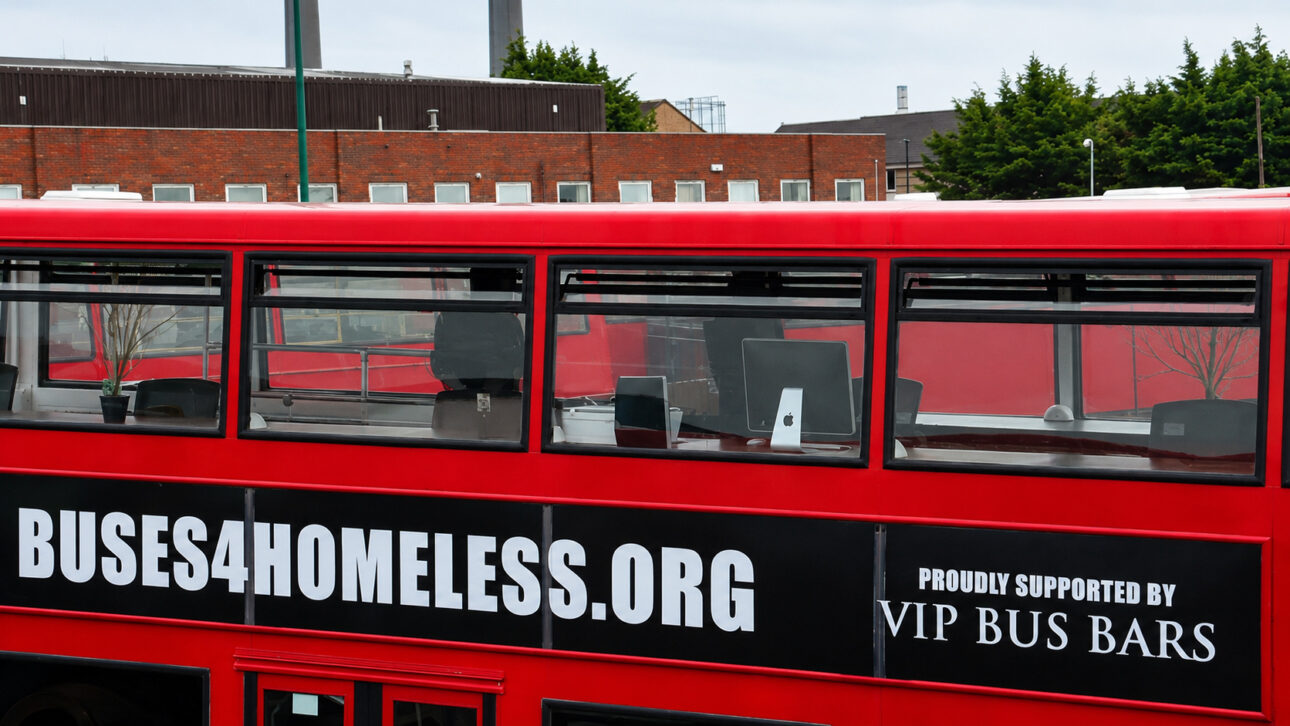
Each vehicle can have a different function within the project. One bus can accommodate beds for rest, another can function as a kitchen and dining room, and another can become a learning space.
This format prevents the shelter from being just a place to spend the night. The proposal creates a more complete routine, with a place to sleep, eat, learn, and receive support.
The image is powerful because the same bus that once took residents and tourists around London now shelters people living on the streets. The vehicle ceases to be transport and becomes a point of new beginnings.
Why Retired Vehicles Can Become an Urban Resource
Retired buses often lose their function after years of use in transportation. The project changes this fate by showing that they can still have social value when internally adapted.
Repurposing prevents a large and familiar structure from being treated merely as waste. With renovation and organization, the vehicle becomes a useful space to tackle a visible problem in large cities.
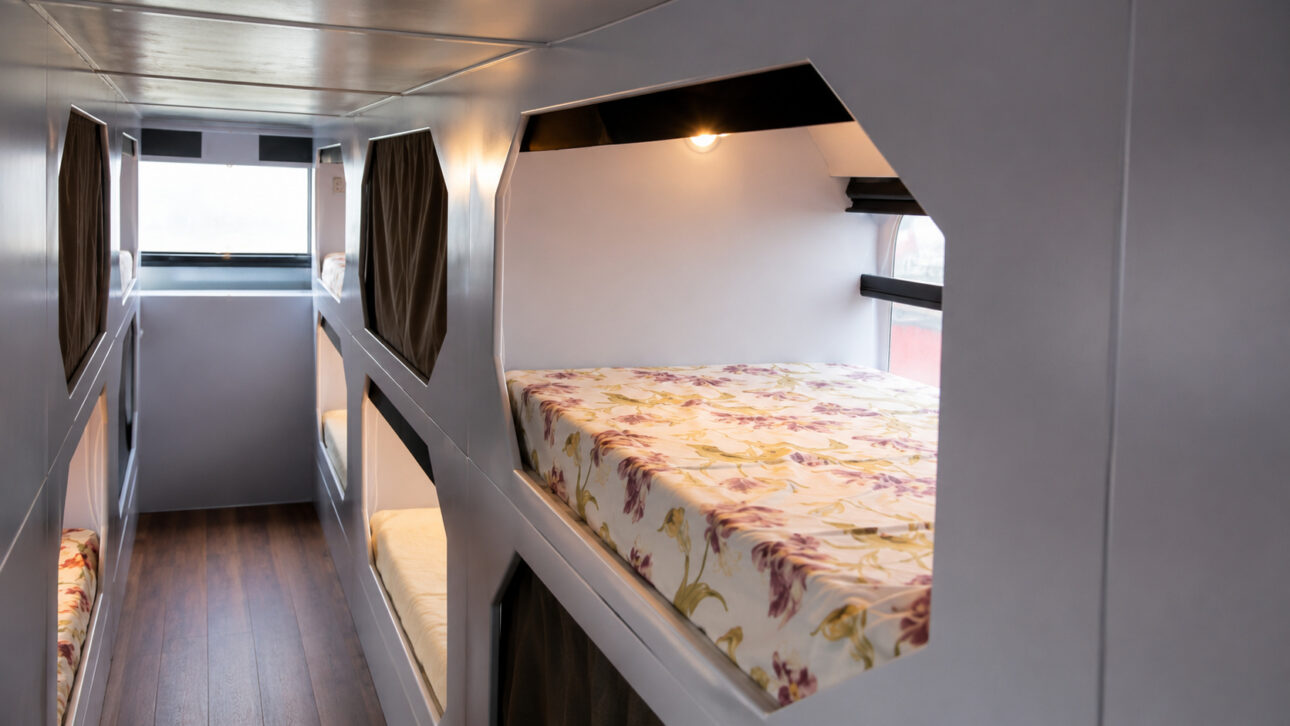
Buses4Homeless CIC, a registered social enterprise focused on the homeless, detailed the proposal as a low-cost solution with multiple support fronts. The focus involves rest, food, learning, and care to facilitate reintegration into the community.
This aspect differentiates the idea from a simple donation of makeshift shelter. The bus becomes part of a larger path, with support and an attempt at social reintegration.
What Differentiates This Mobile Shelter from a Crowded Dormitory
A common dormitory may offer just a bed for a few hours. In the Buses4Homeless project, the shelter attempts to bring together more aspects of daily life within the same set of vehicles.
The person finds rest, meals, learning, and support in spaces separated by function. This helps create a sense of routine, something important for those who have lived without stability for a long time.
The learning space also changes the meaning of support. It allows contact with computers, guidance, and skill development to try to regain work and autonomy.
The kitchen and dining area complete this logic. The meal stops being just a quick help and becomes part of a more organized and humane environment.
Sleeping, Eating, and Learning Within the Same Project Changes the Lives of Those Without a Place to Stay
For those living on the streets, sleeping more safely already represents a huge change. Rest is the first step for a person to be able to think about work, documents, health, and the future.
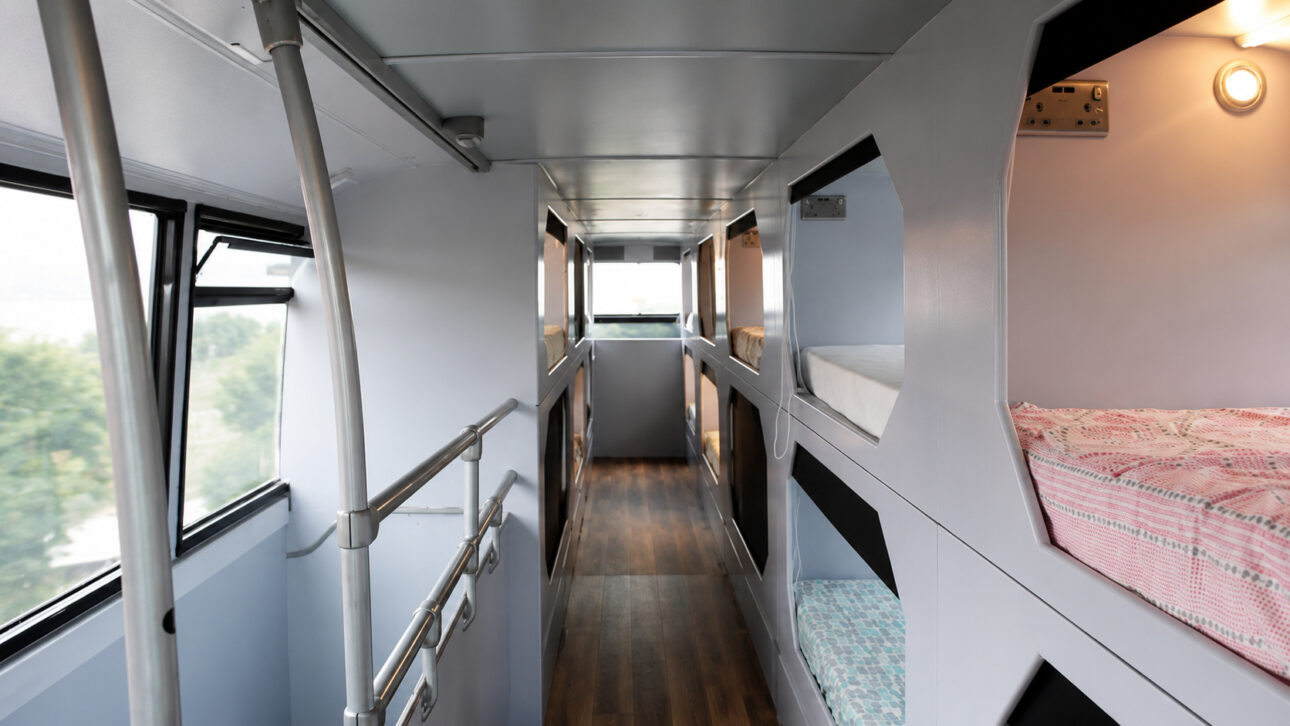
Food also has a direct impact on recovery. A space with a kitchen and dining room offers more than just food, as it creates interaction and routine.
Learning is part of the reconstruction phase. It can help a person regain confidence, understand new possibilities, and prepare to return to social life.
The institutional phrase of Dan Atkins, the project’s founder, sums up the mission in a few words: “transform the lives of homeless people.” The central idea is to provide support so that the shelter is not the end of the road, but the beginning of a new phase.
Limits of the bus shelter involve bathroom, security, permanence, and reintegration
Despite the strength of the idea, an adapted bus does not solve homelessness on its own. It helps in emergencies but does not replace a permanent home.
The bathroom is a sensitive point in any shelter of this type. Sleeping, eating, and learning in adapted vehicles requires organization to meet basic needs with dignity.
Security also needs to be handled with care. People experiencing homelessness need protection, clear rules, and monitoring to ensure the space is truly welcoming.
Permanence is another challenge. The shelter can function as a temporary stage, but leaving the streets depends on housing, income, social support, and continuity of care.
The symbol of London gained a new social function
The case of retired buses shows that urban solutions can arise from existing structures. A vehicle known worldwide has come to carry a different message: to welcome people who were homeless.
The strength of the project lies in the union between reuse and care. The bus is not just a curious image, as it brings together bed, food, learning, and support in a simple proposal to understand.
The question that remains is direct: if old buses can become shelters in London, what could Brazilian cities repurpose to better accommodate those living on the streets? Leave your opinion in the comments and share this story.




Awful , that our homeless get a bus,and illegals get a hotel room