






 Portuguese
  Spanish


Offshore wind energy became a dispute in Taiwan, where fishermen report loss of ancient routes, decline in fishing, and fear of lower income on the coast
Fishermen in Taiwan accepted offshore wind turbines in the name of clean energy, but now claim that ancient routes have become more difficult, fish have decreased, and income has become uncertain on the coast.
The information was published by Reuters, an international news agency, on June 4, 2025. The case involves fishermen from Yunlin and Changhua, two coastal areas of Taiwan affected by the expansion of renewable energy projects.
Taiwan wants at least 60% of total energy generation to come from renewable sources by 2050. The problem is that part of the fishing communities says that the energy transition reached the sea without solving simple daily life impacts, such as the passage of boats, access to fishing areas, and income predictability.
-
World’s Largest Engie Solar Plant in Brazil Highlights Billion-Dollar Energy Waste Issue: Company Considers Batteries and Bitcoin Mining to Avoid Wasting Production

-
Air Products Cancels $2.9 Billion Clean Hydrogen Megaproject in Louisiana, Shuts Down Arizona Unit, Highlighting High Costs of U.S. Energy Transition
-
Over 60 Tractors Take to the Streets in Lopera as Solar Parks Compete with Olive Groves, Affecting 13,000 to 100,000 Trees According to Conflicting Reports

-
Green Hydrogen Projects in Northeastern Brazil Stalled for 18 Months Awaiting Government Decree, Delaying Billions in Investments


Clean energy advanced at sea, but fishermen say the routine changed
The offshore wind turbines are part of Taiwan’s bet on renewable energy. They use wind power to generate electricity and help reduce dependence on more polluting sources.
For the fishermen, however, the change also brought obstacles. In Yunlin, sea workers claim it has become more difficult to reach traditional fishing areas in the Taiwan Strait.
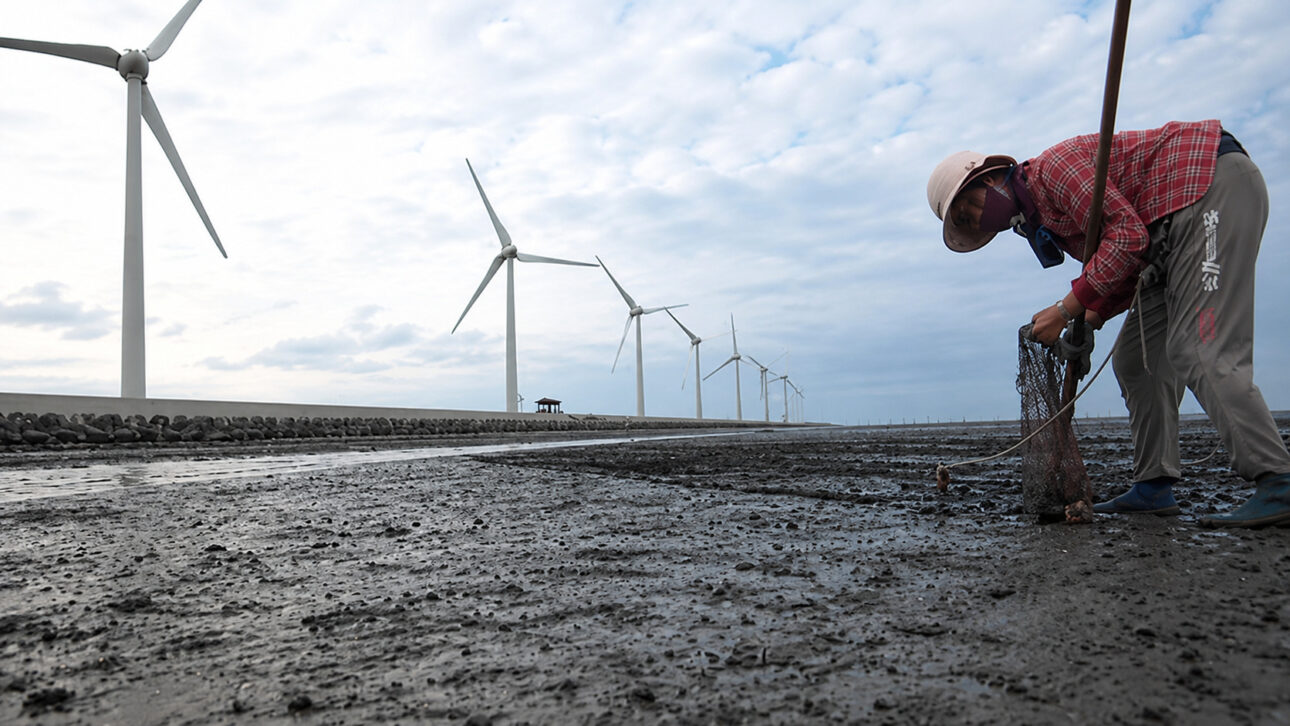
In practice, a blocked route can mean more time at sea, more displacement, and less certainty about the day’s outcome. For those who depend on fishing, less fish on the coast can turn into a direct loss of income.
52-year-old fisherman supported green energy but did not expect to lose access to ancient areas
Lee Ping Shun, a 52-year-old fisherman, has worked on the coast of Yunlin for two decades. He said he supports clean energy, mainly because air pollution affects the local quality of life.
His speech shows that the criticism is not against the idea of renewable energy. The discomfort lies in the practical effect of offshore wind turbines on those who already used those waters for work.
Lee Ping Shun stated that Yunlin needs green energy, but fishermen did not expect the arrival of the projects to change the routine at sea so much.
Taiwan wants 60% renewable energy by 2050 and has placed wind farms at the center of this plan
Taiwan has few natural resources and used coal for a long time to generate electricity. Therefore, renewable energy has become an important part of the island’s strategy.
The goal of at least 60% of total energy generation from renewable sources by 2050 helps explain the rush to expand projects like offshore wind farms.
The conflict arises when this goal enters areas where fishermen have been working for many years. For the government and companies, the turbines represent clean energy. For some communities, they also represent blocked ancient routes and more uncertainty in work.
In Changhua, coastal producers also reported impacts near the turbines
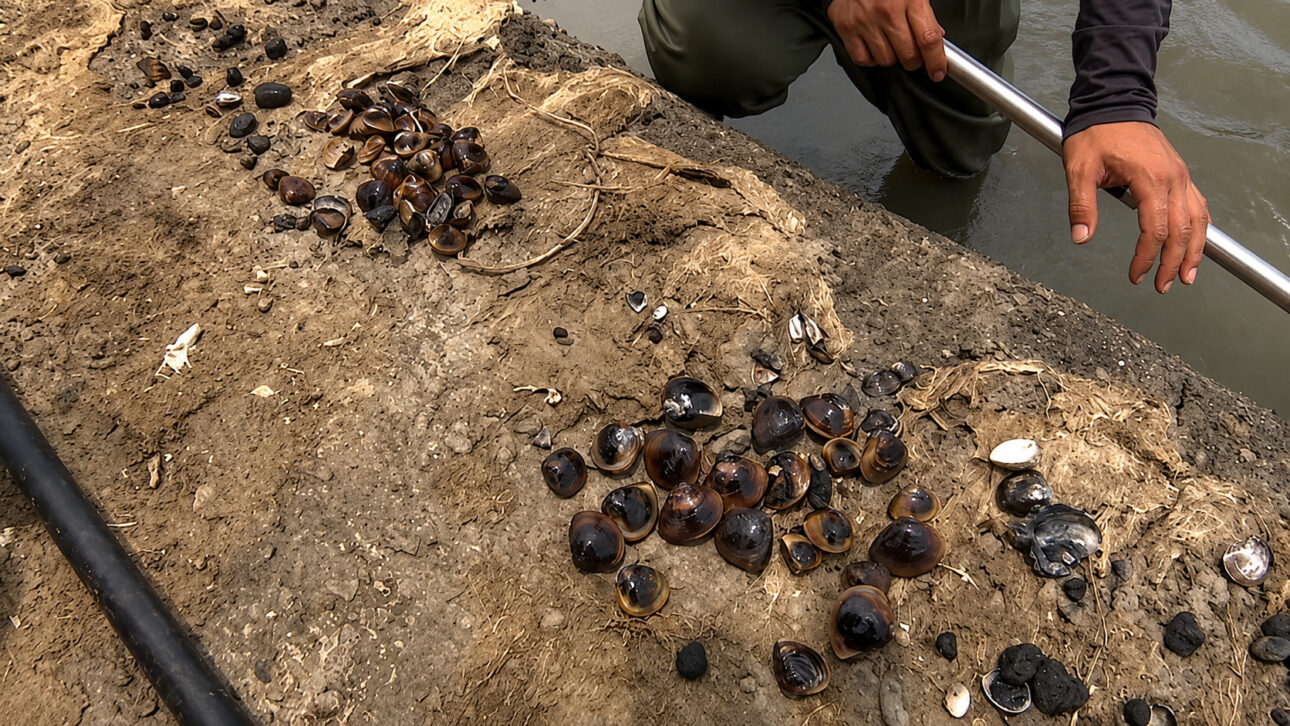
Reuters, a news agency with international coverage, detailed that the discomfort was not limited to fishing boats. In Changhua, producers involved in shellfish farming also reported problems near turbines.
Hung Chin Tun, a 43-year-old shellfish farmer, stated that oil leaked into his tanks from a turbine near his work area.
He also stated that when production depends on water and the coastal environment, any change near work areas can generate fear of loss.
Government talks about dialogue and compensation for loss of fishing income
The Energy Administration of Taiwan’s Ministry of Economic Affairs stated that communication is an important part of the development of offshore wind projects.
The government also mentioned a compensation mechanism for cases such as loss of fishing income. Compensation means an attempt to financially repair those affected by changes related to the projects.
Even so, the dispute shows that money doesn’t solve everything. Fishermen speak of ancient routes, reduced fish stocks, and loss of control over a routine that depended on knowledge of the sea.
The conflict in Taiwan shows that renewable energy also needs to consider those who live off the water
The expansion of offshore wind energy in Taiwan highlights an important issue for any country seeking clean energy. The energy transition can reduce pollution, but it also needs to consider communities that already depend on the territory for work.
The fishermen of Yunlin and Changhua do not appear as enemies of renewable energy. The central point is different: they want offshore wind turbines not to make fishing more difficult, more expensive, and less predictable.
The goal of 60% renewable energy by 2050 puts Taiwan on an ambitious path. But the reaction of the fishermen shows that clean energy needs to advance without leaving behind those who make a living from the sea.
Do you believe that offshore wind turbines can grow without harming traditional fishermen, or does the energy transition still need to better listen to those who live from fishing? Comment and share.





could it have something to do with a certain fishing fleet in the area? rather than any windmills?
More lies from the oil & gas industry.
Total dogshit propaganda