






 Portuguese
  Spanish


Artisanal ice creams went from a R$ 86 bet to a source of income for Monaliza Joyce Silva, 34 years old, in Carapicuíba. Mother of seven children, she left her night job as a machine operator, sells through the gate, apps, and social networks, earning about R$ 6,000 per month at home.
The artisanal ice creams changed the routine of Monaliza Joyce Silva, 34 years old, a resident of Carapicuíba, São Paulo. Mother of seven children, aged between 5 and 17 years, she left a night job as a machine operator and found in homemade production a way to support her family.
The story was published on April 20, 2026, and shows a journey built from a simple beginning. With just R$ 86, Monaliza bought packaging and bases for the first flavors, put up a sign at the gate, and started selling directly from home.
Night routine became heavy for mother of seven children
Before starting her business, Monaliza worked with a signed contract as a machine operator on the night shift. The routine involved long periods standing and the responsibility of taking care of the children during the day, which made balancing increasingly difficult.
-
Inspired by a school lesson on Africa’s water crisis, a young boy raised money through chores to fund a well that transformed a Ugandan community.

-
Brazilian Construction Worker Moves to France, Earns Up to €2,500 Monthly with Home Renovations, Gains Social Media Attention

-
US Navy Sinks USS Oriskany with 230 kg of C-4, Creating World’s Largest Artificial Reef in 37 Minutes

-
U.S. Dumped Tanks, Jeeps, and Coca-Cola into the Pacific in 1945 After British and French Lowball Offer, Creating “Million Dollar Point”




The situation became even heavier during the pregnancy of the twins, the youngest children. The physical exhaustion, the need to attend appointments, and the demands of the house made the mother rethink her professional path.
Relationship with ice cream began in childhood
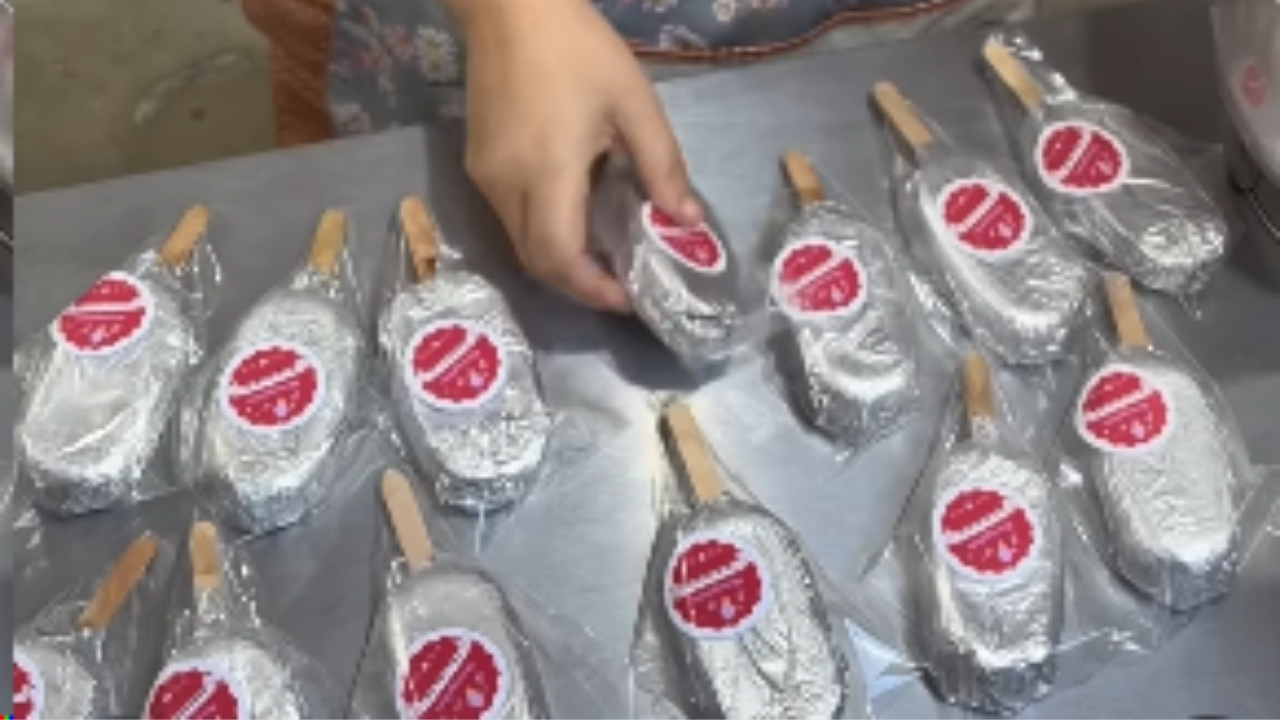
Monaliza’s connection with ice creams did not arise suddenly. As a child, she watched her grandmother preparing simple versions, like corn and coconut, and learned the basic recipes early on.
Even mastering traditional flavors, she wanted to go further. The idea of creating new combinations was kept while adult life took other paths, until the need for income brought the kitchen back to the center of the routine.
R$ 86 was the starting point for selling at the gate
With the decision to leave the job, Monaliza started directly. Before the ice creams, she already sold sweets and savory snacks informally, but realized that the cold treats were well accepted at gatherings in her own home.
It was then that the artisan ice creams gained more space. She bought the first materials with R$ 86, started flavors like strawberry, passion fruit, and mint, and put up a sign at the gate to inform neighbors about the sales.
Start had little structure and unstable orders
The beginning was not simple. Monaliza faced problems such as lack of structure and melting products, but decided to better organize the production to continue selling.
In 2025, she joined iFood. The first order came three days after registration, but the initial months were unstable. At one point, she went up to two weeks without selling anything, and the revenue for the second month was R$ 800.
Course at Senai helped improve technique and preservation
The turning point began when Monaliza decided to adjust prices and invest in learning. She took a course at Senai and began to better understand technical aspects of production, especially texture and preservation.
She also realized the importance of separating household food from the products sold. This change helped professionalize the work and reduced hygiene risks in a production done within the family environment.
Menu grew after the arrival of chocolate flavors
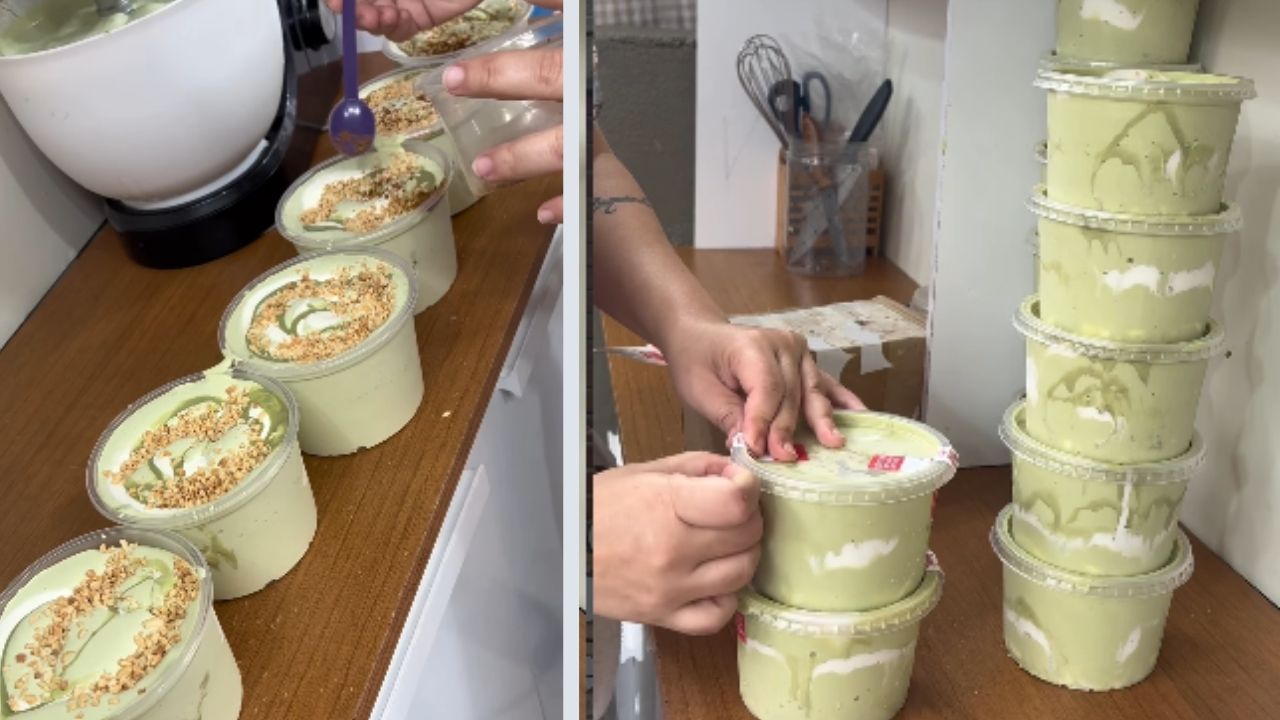
Initially, the menu was limited, which restricted customer choice. The situation changed when Monaliza started producing options with chocolate and noticed a higher demand.
In a short time, she sold 55 jars. Based on this result, she gradually expanded the options until reaching 23 items on the menu, including jar ice creams and truffled popsicles.
Freezer and apps expanded sales capacity
With the growth in orders, the structure needed to keep up. A horizontal freezer, received with the help of the family, allowed for more production, better product preservation, and stock organization.
After about four months on the apps, the monthly revenue was already around R$ 3,000. Later, Monaliza created a profile on Instagram to showcase the production and also joined 99Food, which helped double the sales reach.
Monthly income reached about R$ 6,000
Currently, the monthly income is around R$ 6,000, according to the information published about the story. The busiest days are from Friday to Monday, a period when demand for the products increases.
The production of artisanal ice creams has the help of the family, especially the children and husband. What started as gate sales became a household support and turned into the main source of family income.
Physical store entered the plans for the future
After turning the kitchen into a business, Monaliza set her sights on a new step: opening a physical store. The idea is to expand the flavors, better organize the operation, and take the brand beyond home sales.
The projection mentioned in the source is to close the year with about R$ 80,000 in revenue. This data shows the ambition for growth but also reinforces that the journey still depends on structure, demand, and continuity of sales.
Story shows entrepreneurship out of necessity and persistence
The journey of Monaliza Joyce Silva did not start as a major investment, but as a practical response to a difficult routine. She needed to be closer to her children and, at the same time, ensure income to support the household.
The artisanal ice creams became the possible path between family care, work, and financial survival. The story draws attention because it shows how a small beginning, when organized, can become real support for an entire family.
Do you think selling food at home is still one of the strongest options for mothers who need to balance income and child care? Leave your opinion in the comments.





Yes