






 Portuguese
  Spanish
  3 min of reading
  0 comments


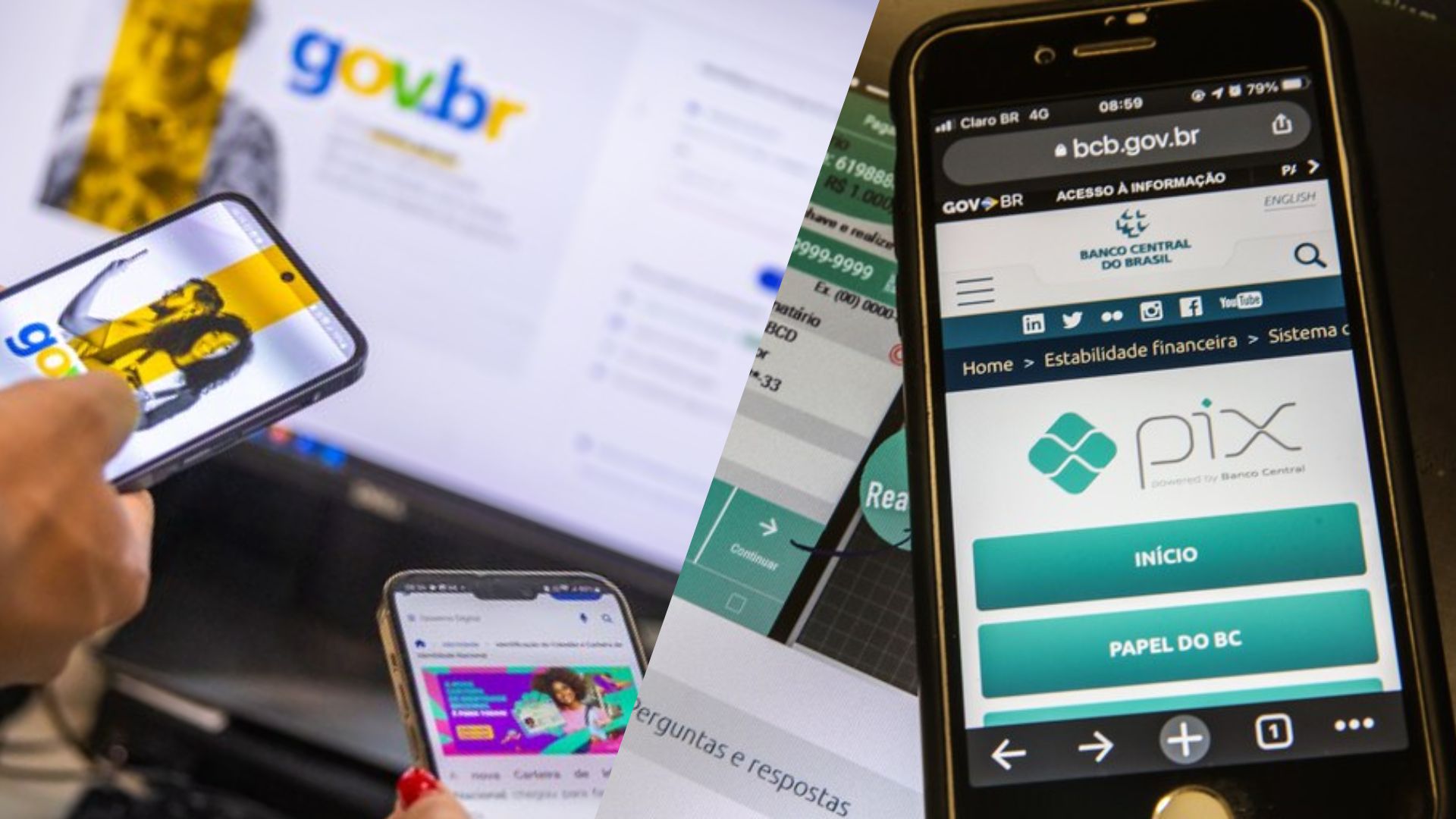
Digital Solutions Developed In Brazil Attract The Interest Of Foreign Governments And Companies Due To Their Innovation, Efficiency And Impact In Different Sectors. Discover Examples That Are Influencing The International Scenario And Driving The Technological Transformation In The Country.
With the increase of international attention to technological innovations developed in Brazil, digital solutions such as Pix, Gov.br and digital banks have caught the attention of foreign governments and companies due to the impact generated in their areas of operation.
Recently, after the announcement of new tariffs against Brazilian products, scheduled to take effect on August 1, 2025, the United States government decided to investigate Brazilian trade practices, specifically highlighting the Pix instant payment system, a genuinely national financial technology that has transformed everyday life in the country.
Pix: Instant Payment System
The Pix, launched in November 2020 and operated by the Central Bank of Brazil, revolutionized the way financial transactions are carried out, allowing for real-time transfers and payments, 24 hours a day, seven days a week.
-
Helicopter Drops 180 Tons of Sand and Gravel on Swedish River to Revive Ecosystem Damaged by Decades of Exploitation

-
Brazilian Company Launches Retro Smartphone with 48 MP Camera, T9 Keyboard, and Privacy Features for Social Media-Free Use

-
Self-Taught Chinese Farmer Builds 5-Ton Submarine from Scrap, Launches It in Anhui River
-
Invisible Induction Technology Enables Wireless Power for Blenders, Coffee Makers, and Air Fryers, Reducing Countertop Cables





By July 2025, the platform had already registered more than 170 million registered users, establishing itself as one of the leading instant payment systems in the world.
According to the Central Bank, in the first half of this year alone, there were about 20 billion transactions via Pix, amounting to values exceeding R$ 18 trillion.
This advancement did not go unnoticed by the international market, especially for its capacity to replace traditional methods, such as credit cards, directly impacting companies and banks operating in this segment.


Digital Banks And Fintechs: Transformation Of The Financial Sector
In addition to Pix, the digitalization of the Brazilian financial sector has intensified with the proliferation of digital banks and fintechs – startups that integrate finance and technology.
According to the Brazilian Federation of Banks (Febraban), currently 80% of banking operations are conducted through digital channels, whether via apps, internet banking or self-service terminals.
Only 5% of banking transactions still occur in person, at branches.
This scenario, unthinkable less than a decade ago, has reduced queues, sped up processes, and democratized access to banking services for millions of Brazilians.
Gov.br: Integration Of Digital Public Services
Another highlight among Brazil’s digital solutions is the Gov.br platform, considered one of the largest and most advanced in the world in integrating public services.
The Gov.br domain brings together, in one environment, more than 4,200 digital services, covering areas such as health, education, work, and citizenship.
According to the Ministry of Management and Innovation in Public Services, Gov.br already has 163 million registered users, second only to WhatsApp in terms of active users in the country.
One of the most praised features by experts is the digital signature, which allows for the validation of documents in a practical, secure manner with legal validity, eliminating the need for in-person travel and reducing bureaucracy.
DataSUS And SUS: Technology For Public Health
In the field of public health, Brazil also stands out through DataSUS, a system that collects, stores, and analyzes information from the Unified Health System (SUS).
This public database is fundamental for the development of public policies, planning of actions, and evaluation of results in the sector.
Through DataSUS, managers, researchers, and health professionals have access to epidemiological indicators, hospital statistics, and population data, allowing for more precise and informed actions.
DataSUS stands out globally for centralizing data from a universal and free health system, something nonexistent in the United States, which does not have a national public health system like Brazil’s SUS.
Other Highlighting Brazilian Digital Solutions
The Brazilian technological infrastructure is also composed of initiatives such as the Positive Registration, which stores consumers’ credit history and facilitates access to better financing conditions, and the biometric identification system used in banks and public agencies, which ensures greater security in digital operations and fraud prevention.
The Positive Registration already collects data from more than 140 million consumers, helping to boost responsible credit and financial inclusion.




-

-

-

4 people reacted to this.